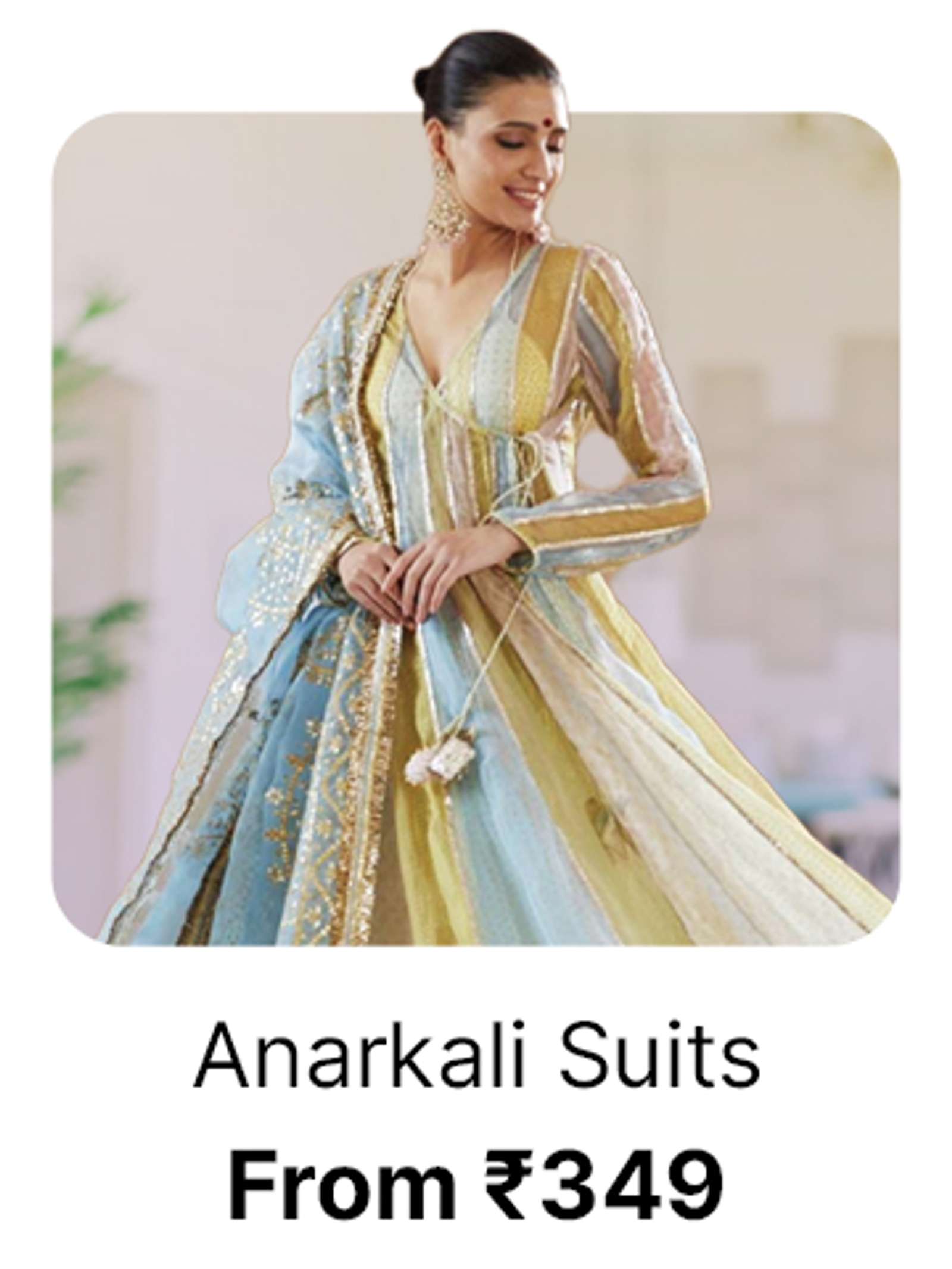
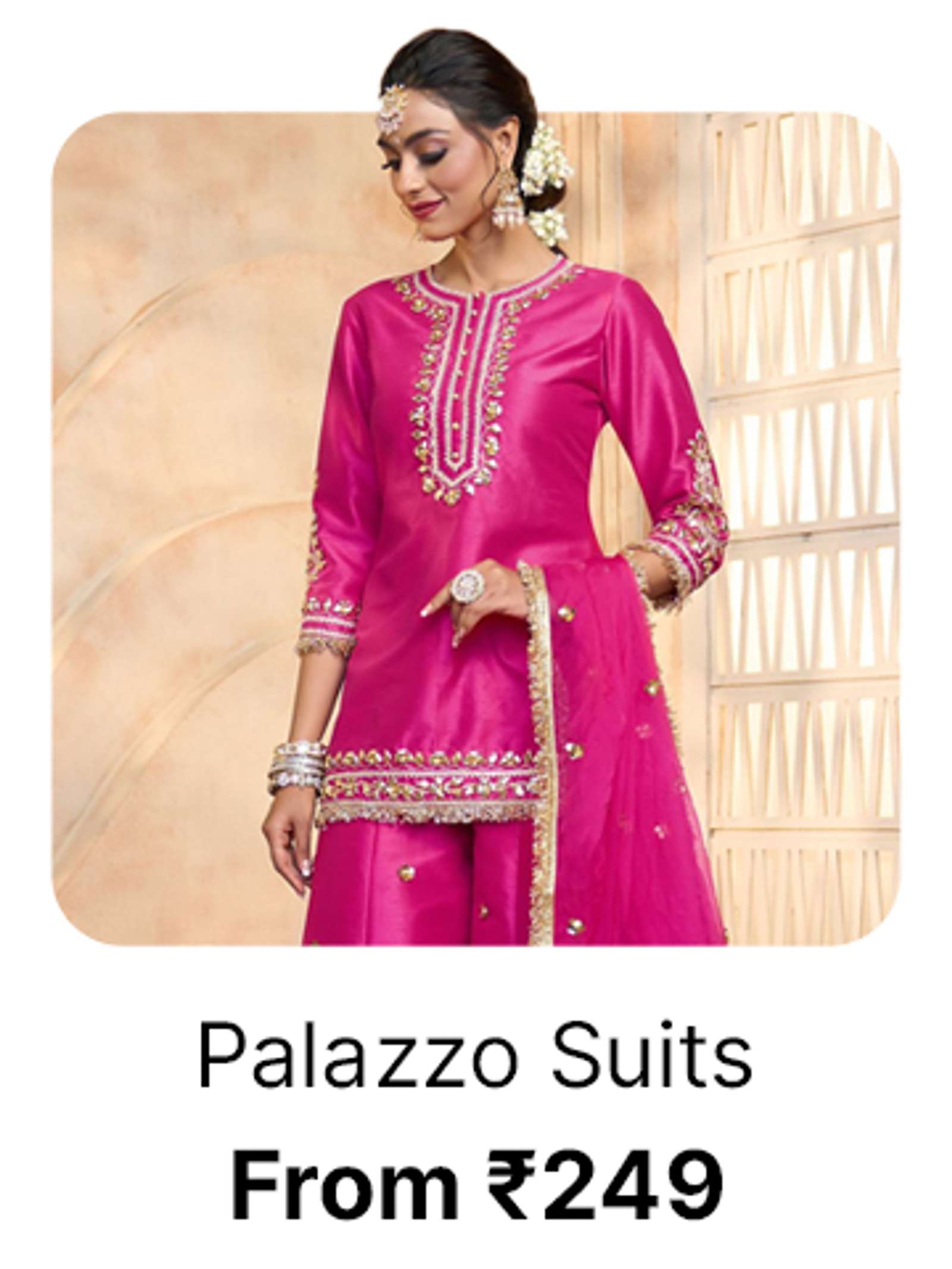
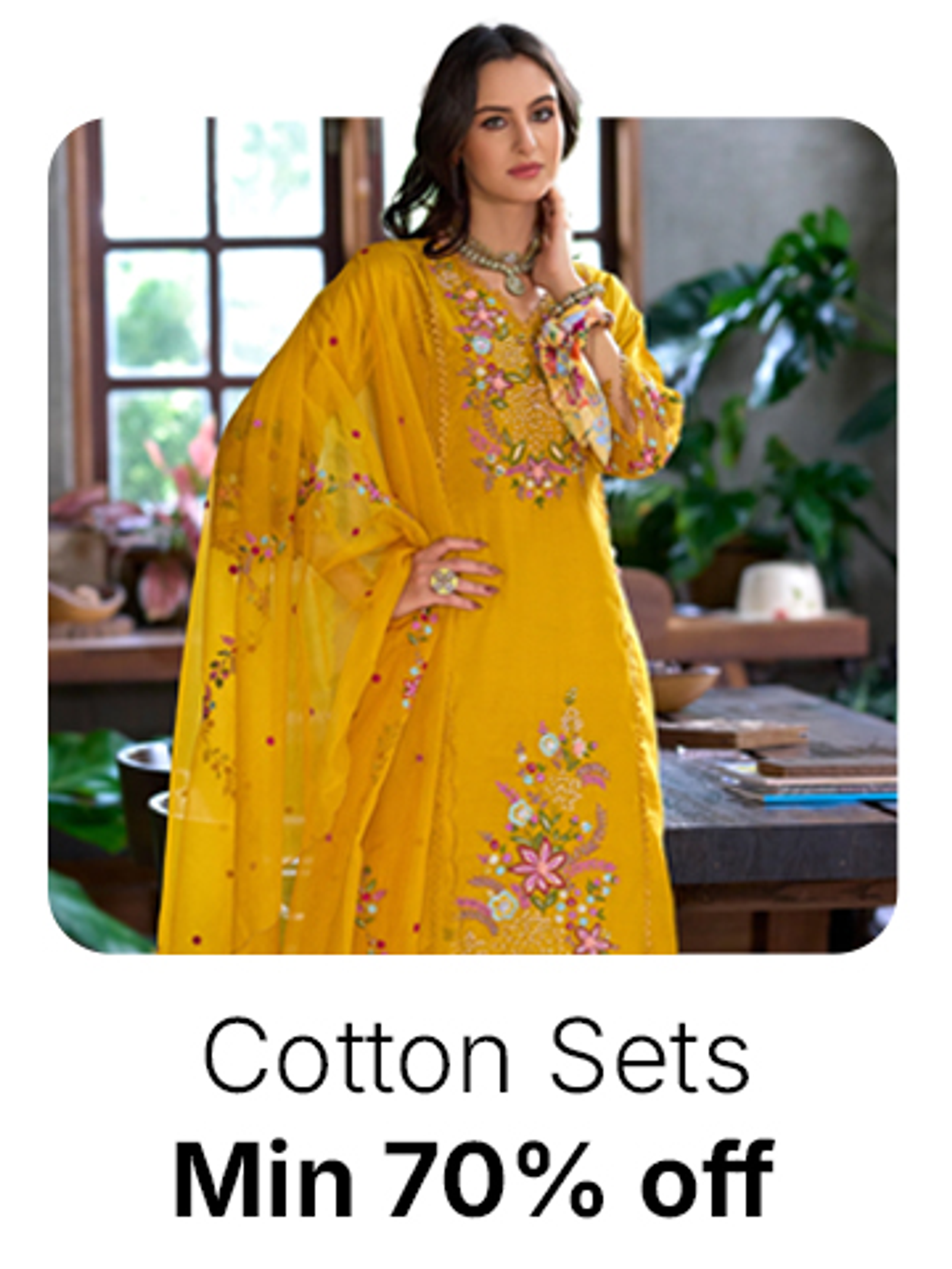
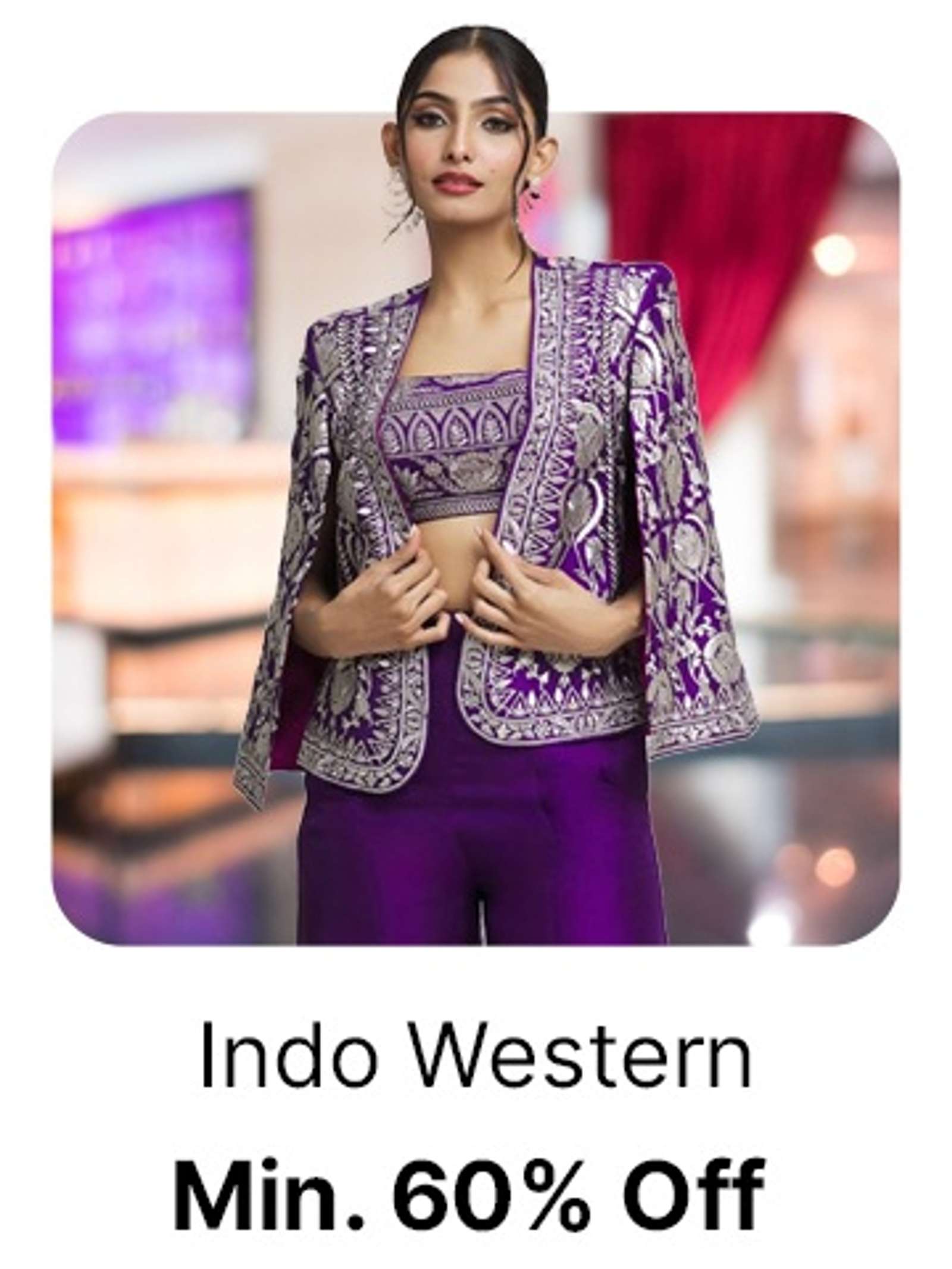
Building the right everyday wardrobe starts with understanding what you actually wear, not simply following every new fashion trend. The best everyday clothing should feel comfortable, fit your lifestyle and work easily with the pieces you already own. Whether you are dressing for work, college, travel, errands, remote work, weekends or casual social occasions, a thoughtfully planned wardrobe can make getting dressed simpler and more enjoyable.
This complete everyday clothing guide explains what to buy for different lifestyles, including essential tops, trousers, jeans, kurtis, dresses, workwear, layering pieces, footwear and accessories. It also covers how to choose practical fabrics, colours, fits and versatile wardrobe basics so you can create more outfits without constantly buying new clothes.
Instead of focusing on how much clothing you own, this guide focuses on how effectively your wardrobe works for you. From creating a comfortable casual wardrobe to choosing polished workwear and travel-friendly outfits, you will find practical ideas for building a collection of everyday clothing that balances style, comfort, versatility and real-life needs.

Start With Your Lifestyle, Not the Trend Cycle
Before buying anything, consider how you spend a normal week. Someone who works in a formal office will need a different wardrobe balance from someone working remotely, studying, travelling frequently or spending most days in casual environments.
A useful wardrobe should solve your daily dressing problems. Think about the activities you repeat most often and purchase around those needs first.
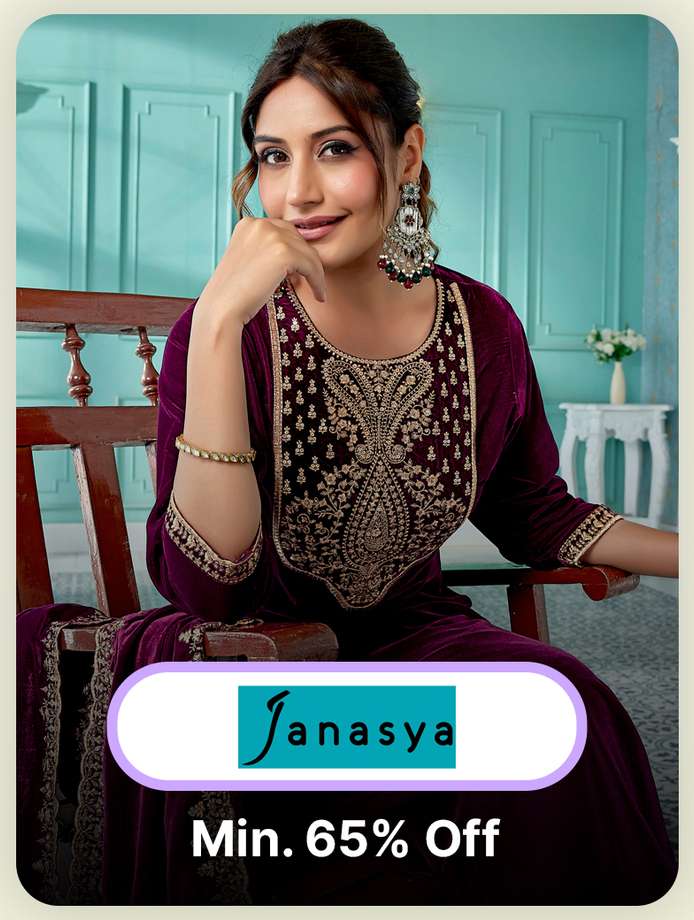
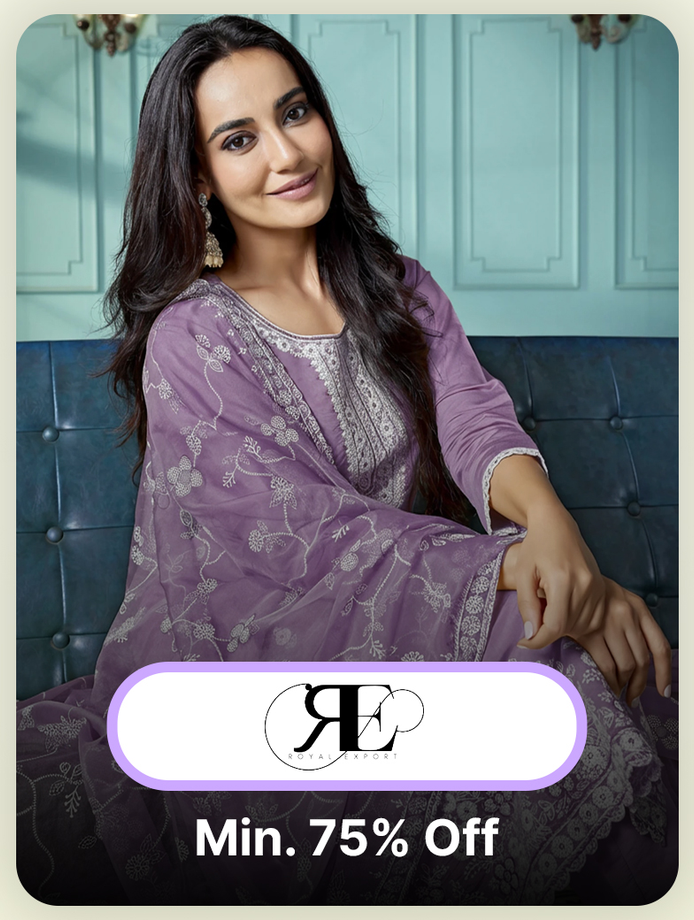
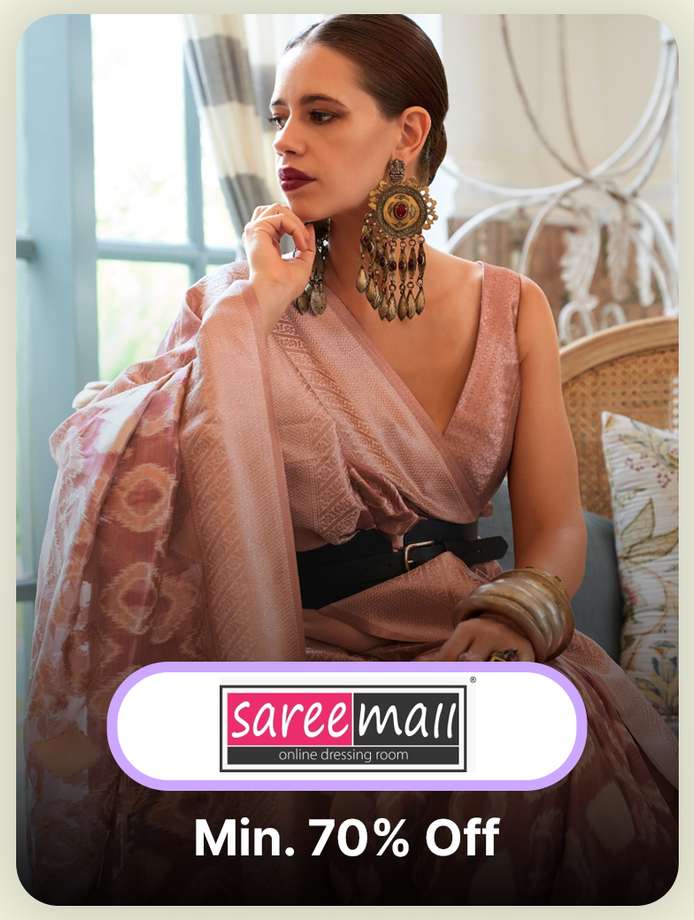
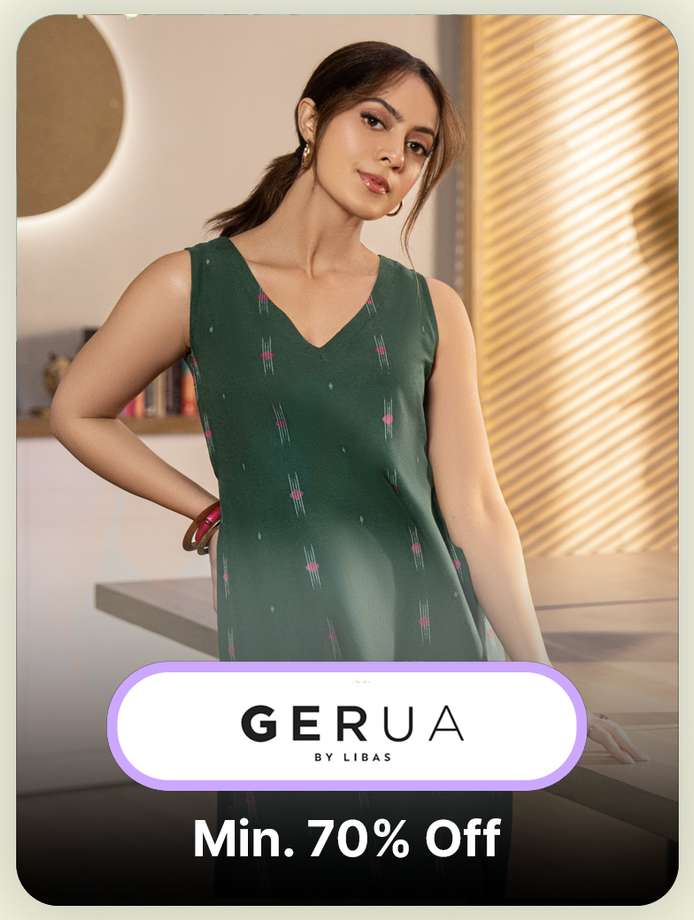
If you are refreshing your wardrobe, compare versatile clothing options that complement pieces you already own rather than automatically starting from scratch. Explore Everyday Clothing Options for additional wardrobe inspiration.
How to Decide What You Actually Need
A practical wardrobe begins with observation. Instead of asking how many clothes you should own, ask which types of clothes your lifestyle requires most often. Your wardrobe should reflect your calendar, climate, commute, workplace, social life and comfort preferences.
● Look at your weekly routine: Identify the activities that account for most of your dressing needs.
● Check your existing wardrobe: Notice which pieces you repeatedly wear and which ones remain untouched.
● Identify missing basics: Prioritise categories that would create more outfit combinations.
● Consider your climate: Fabric weight and breathability can matter more than a trend when clothing is worn frequently.
● Think about maintenance: A garment that requires complicated care may not suit a busy everyday routine.
Everyday Tops: The Most Flexible Starting Point
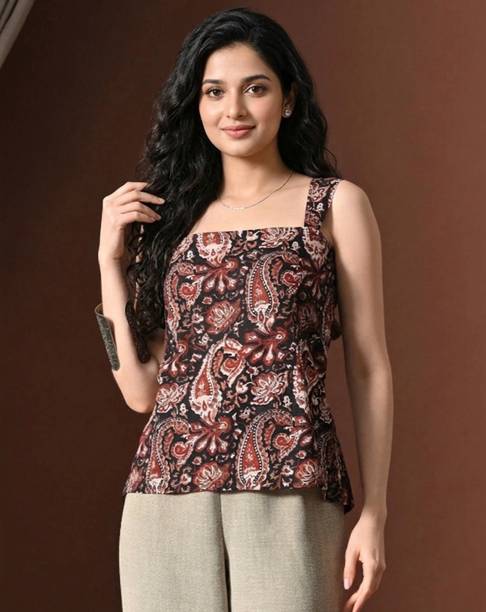
Tops often provide the greatest number of outfit combinations because they can be paired with different trousers, jeans, skirts, shorts or ethnic bottoms. A balanced wardrobe can include a mixture of simple basics and a few distinctive designs.
Depending on your lifestyle, useful choices can include classic shirts, comfortable T-shirts, relaxed blouses, modest tops, tunics and lightweight layering pieces.
When shopping, pay attention to neckline, sleeve length, hemline and overall proportion. A top that works with several existing bottoms usually delivers more practical value than one that only works with a single outfit.
For more wardrobe-friendly choices, you can Explore Versatile Everyday Tops and compare styles that fit your existing wardrobe.
Bottomwear That Makes More Outfits Possible
Bottomwear deserves as much attention as tops because the right pair can transform several different outfits. Choose shapes that work with the tops you already own and consider how comfortable they are during your normal day.
● Straight-leg trousers: A dependable option for office, smart-casual and polished everyday outfits.
● Wide-leg trousers: Useful when you prefer a relaxed silhouette and want to create a contemporary outfit.
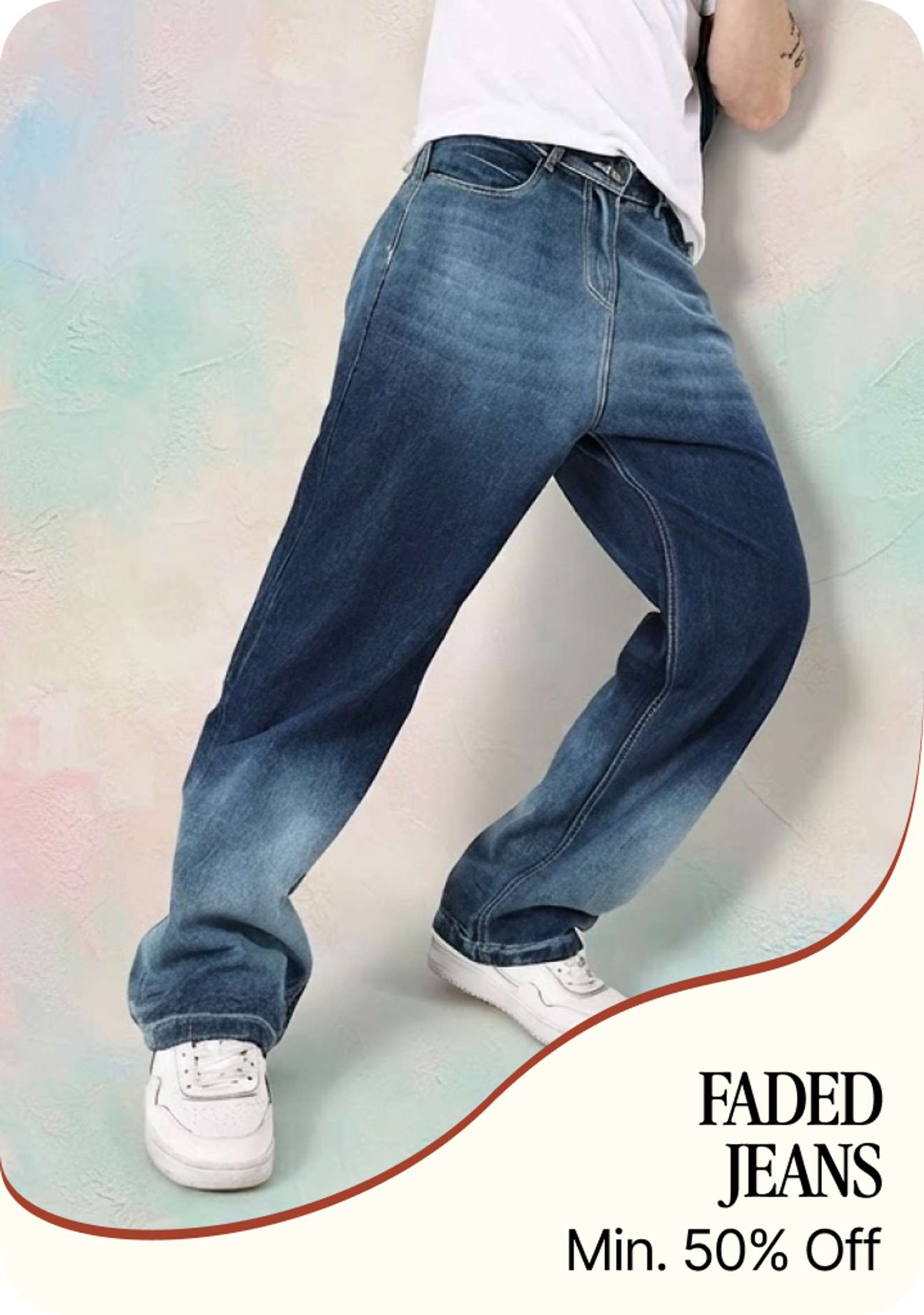
● Jeans: A practical casual foundation when the fit and wash complement your wardrobe.
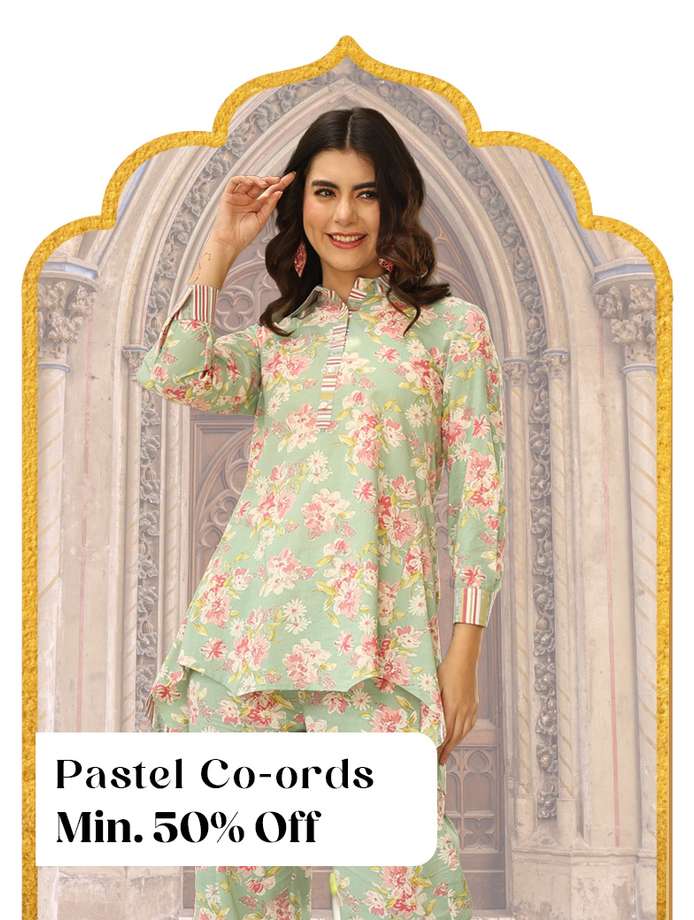
● Cigarette pants: Particularly useful with kurtis, tunics, shirts and structured tops.
● Comfortable skirts: A useful alternative when you want to introduce variety without relying on trousers.
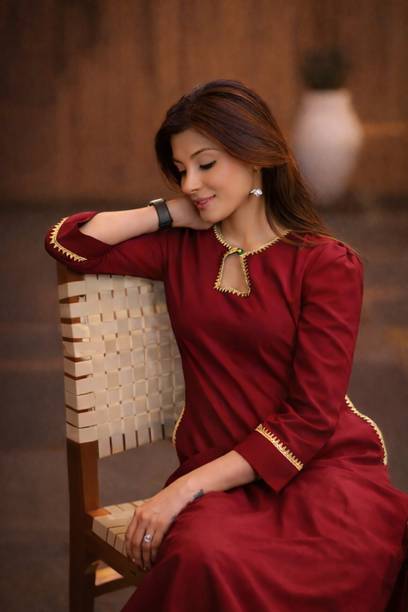
Kurtis and Tunics for Easy Everyday Dressing
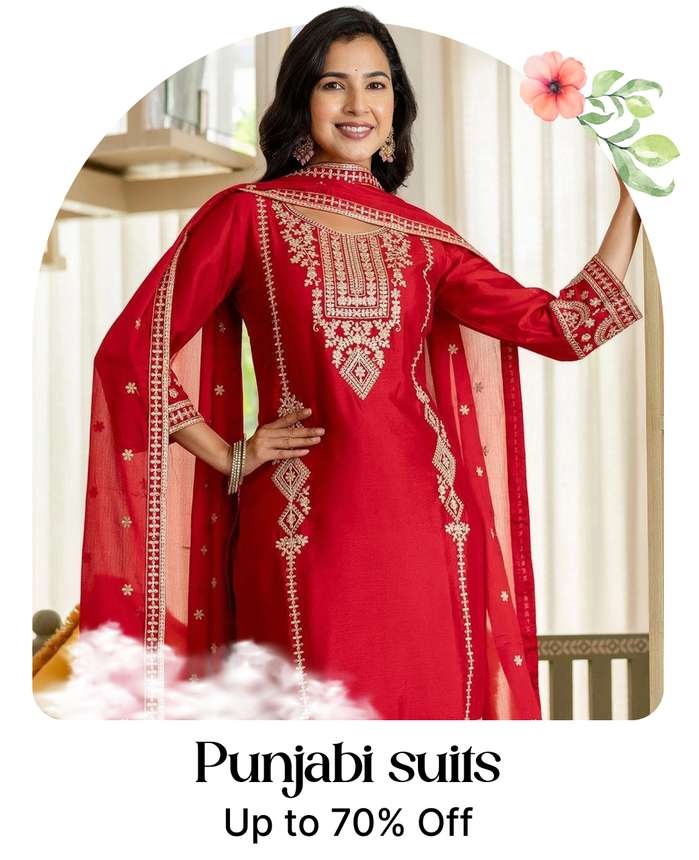
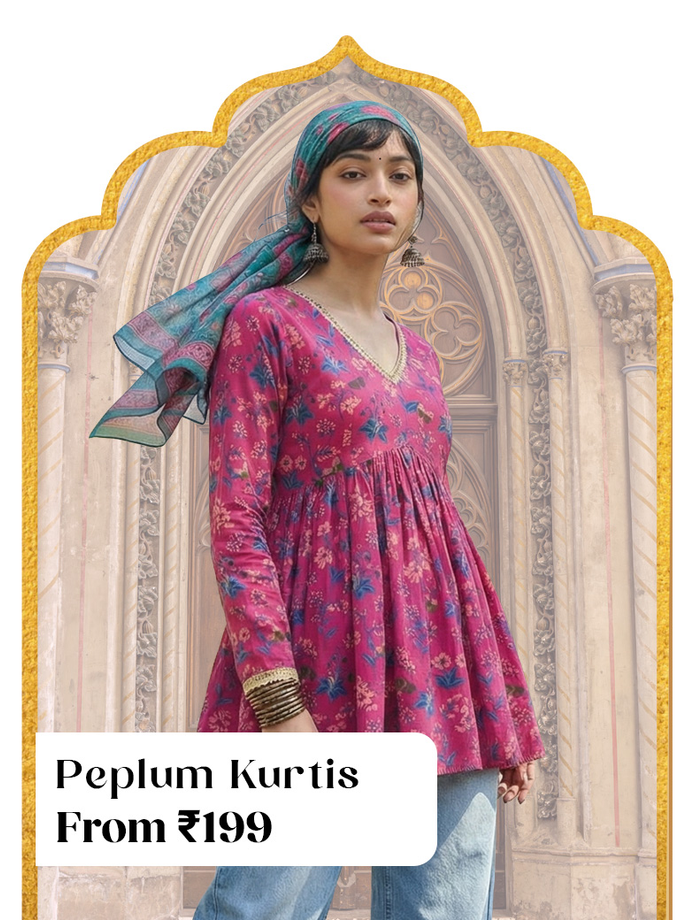
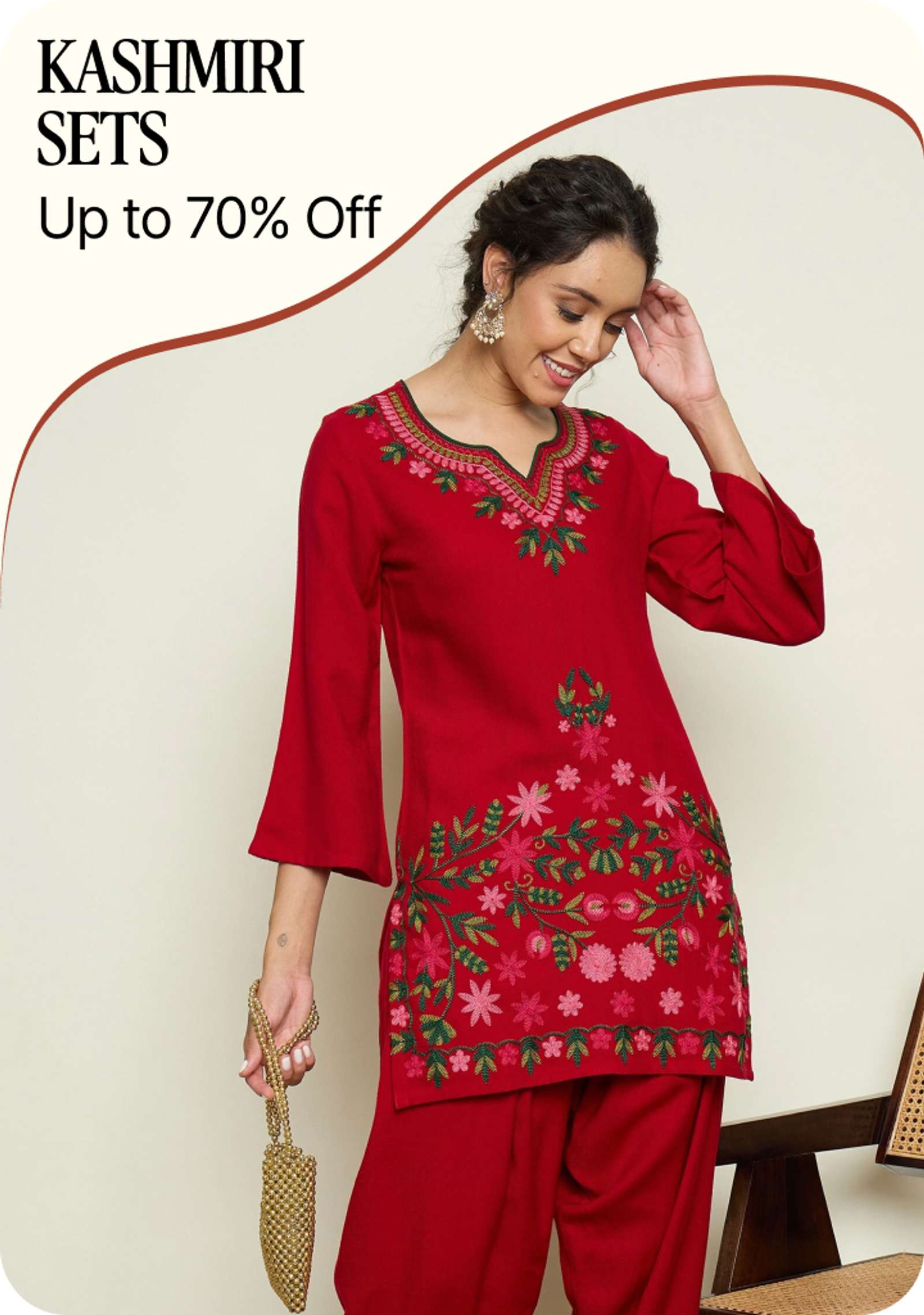
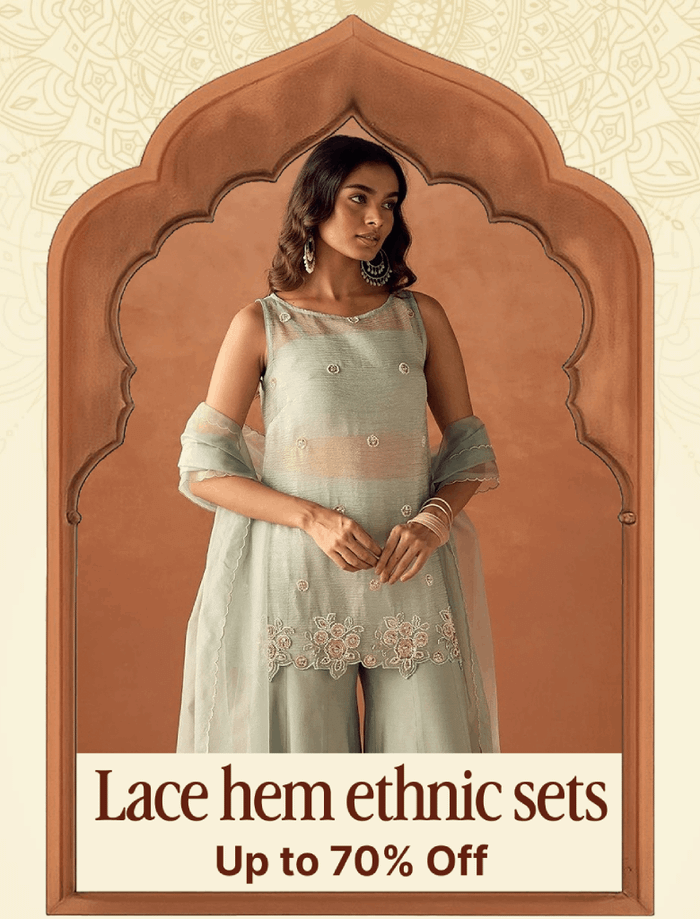
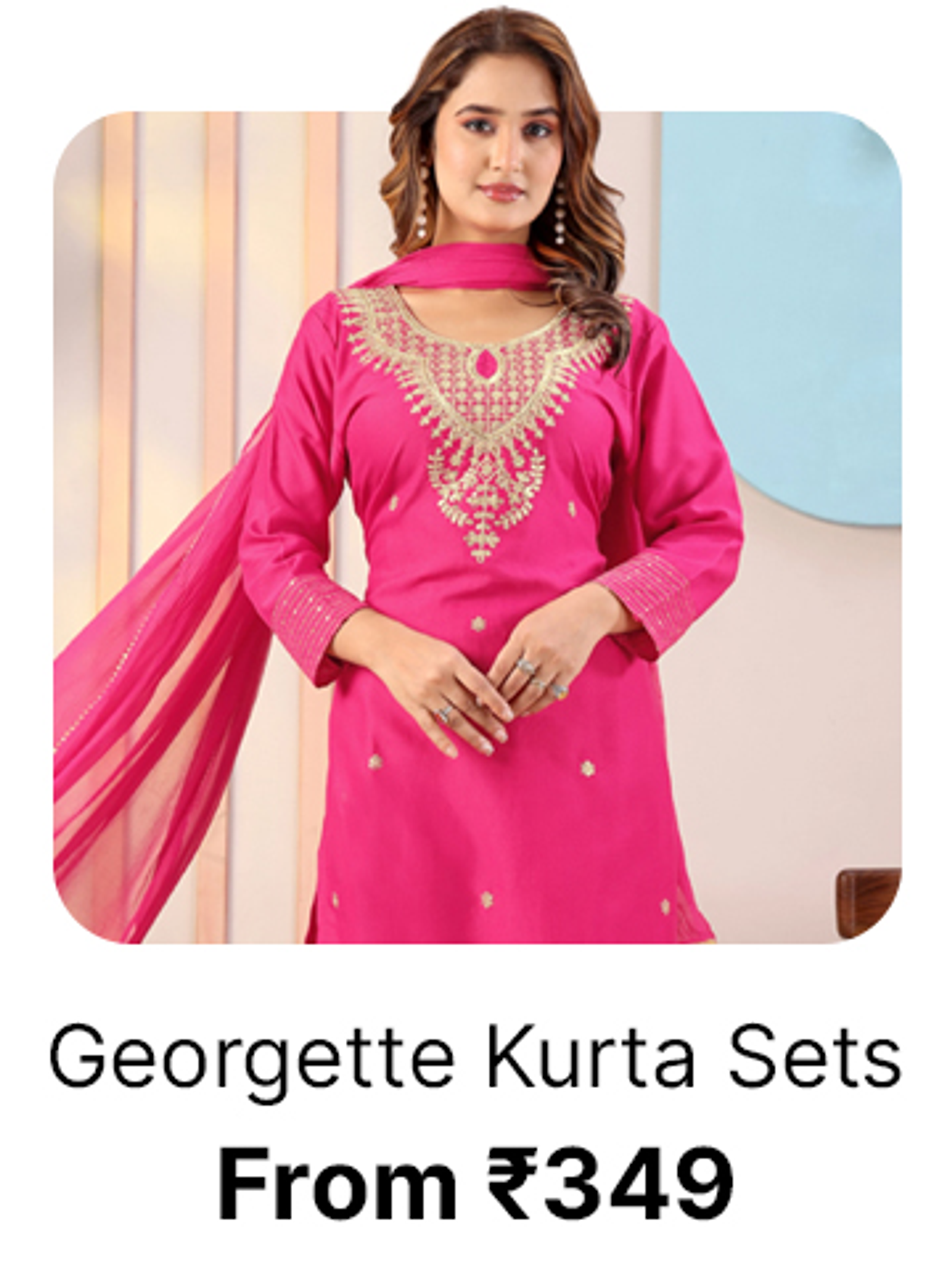
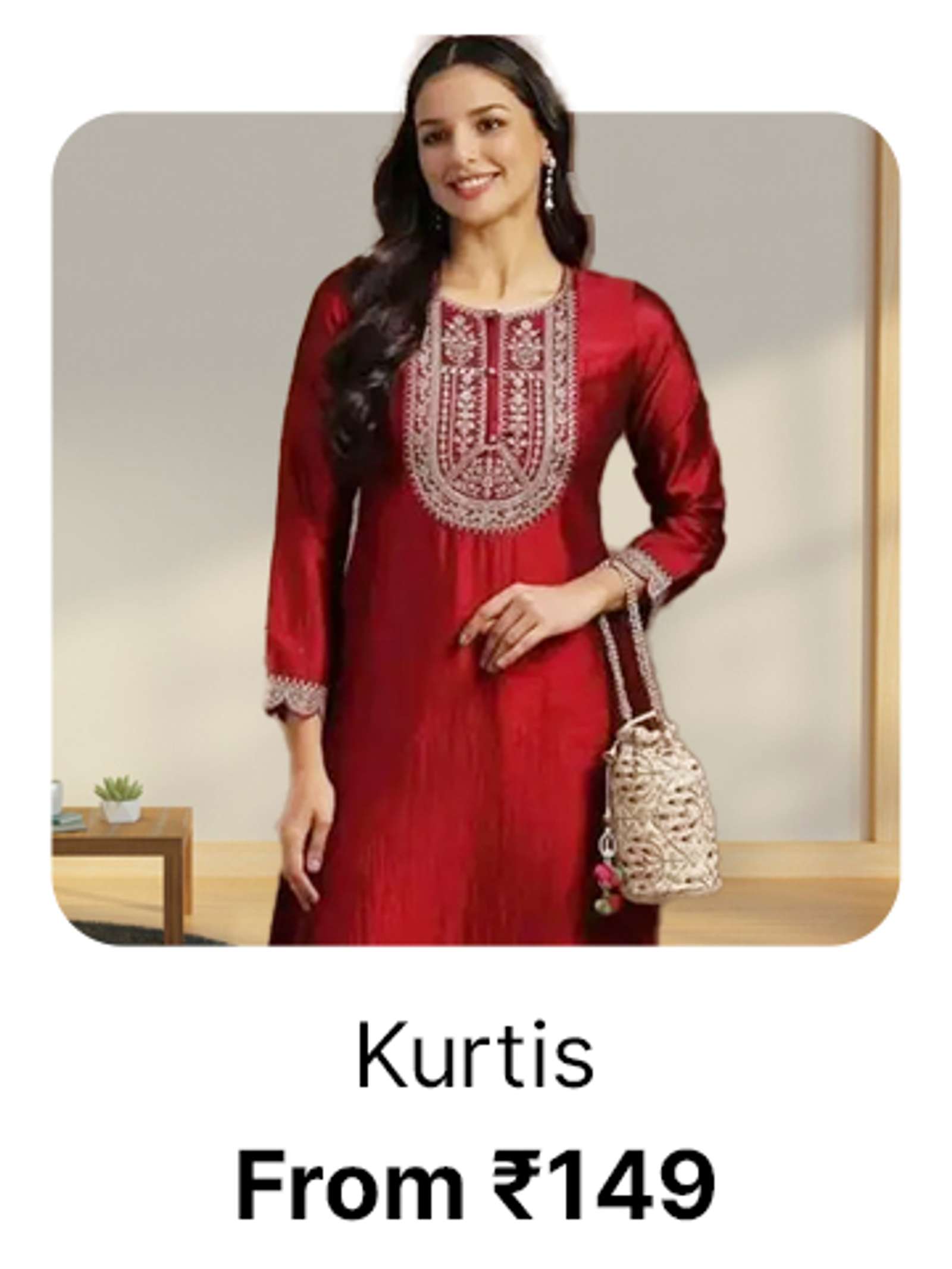
Kurtis and tunics can be especially practical when you want an outfit that feels put together without requiring complicated styling. They can work for everyday errands, workplaces with flexible dress codes, casual meetings and family occasions depending on the design.
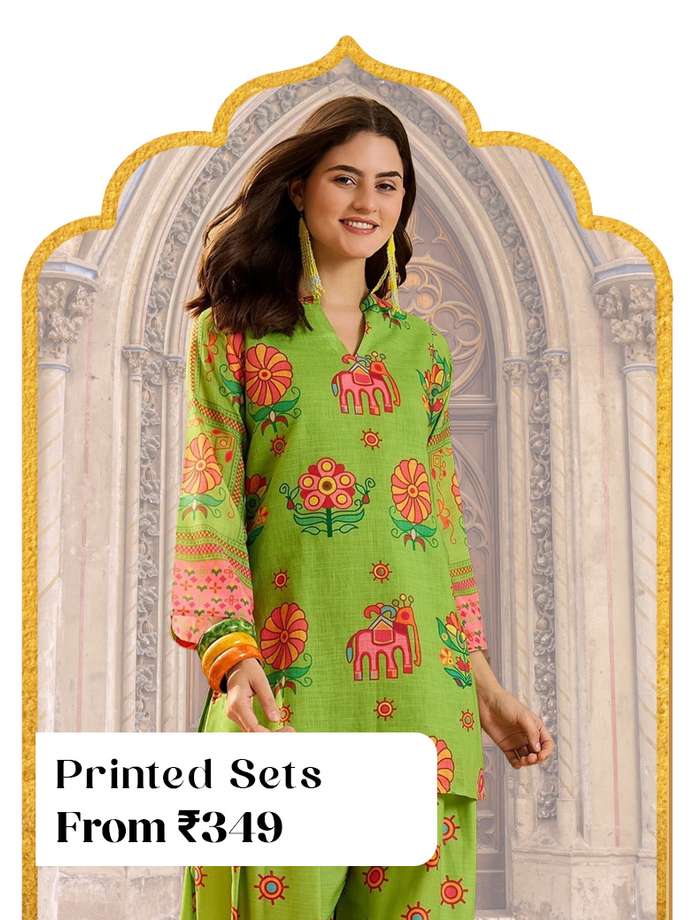
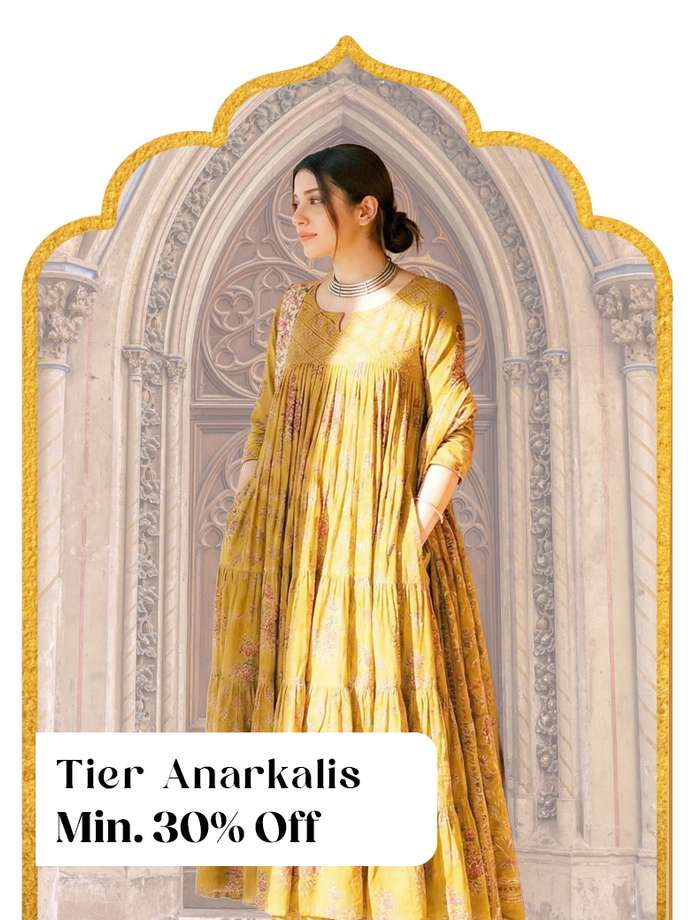
Straight silhouettes are easy to coordinate with trousers and cigarette pants, while A-line and relaxed shapes can create a softer everyday appearance. Shorter kurtis can also be paired with jeans or other casual bottoms.
The best choice depends on your personal comfort, preferred silhouette and environment. Rather than collecting many similar designs, look for pieces that provide different styling possibilities.
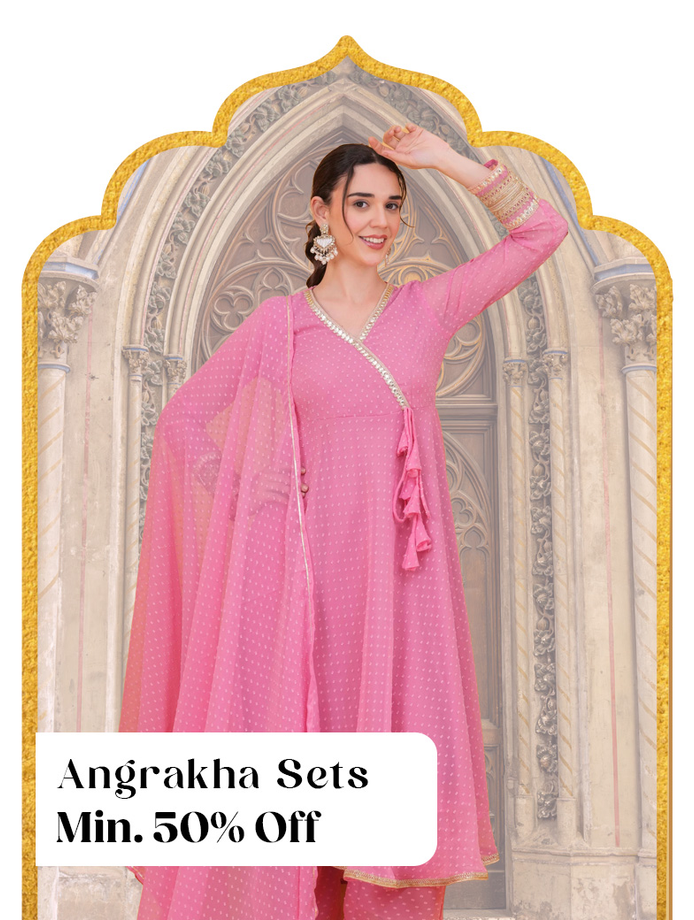
If ethnic-inspired everyday dressing is part of your wardrobe, Explore Everyday Kurti Styles for additional ideas.
Everyday Dresses: One-Piece Simplicity
Dresses can simplify getting dressed because the main outfit is already coordinated. For everyday use, consider silhouettes that allow comfortable movement and can be adapted with footwear, bags and lightweight layers.
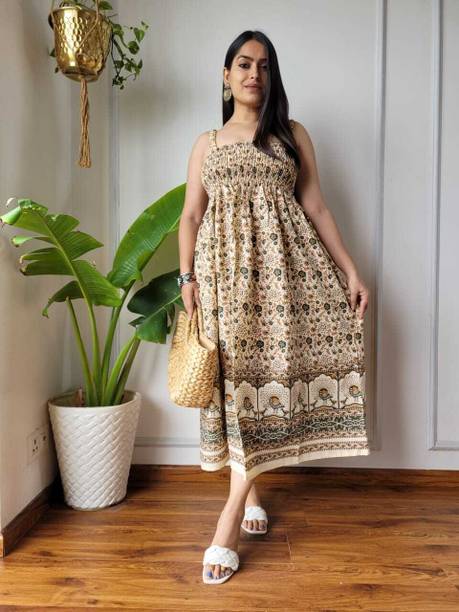
Shirt dresses, relaxed midi dresses, simple cotton styles and understated printed dresses can all have a place in a versatile wardrobe depending on your lifestyle.
When selecting a dress, think beyond its appearance on the product page. Consider where you would realistically wear it, whether you can layer it, how it works with your footwear and whether its care requirements fit your routine.

What to Buy for a Professional Lifestyle
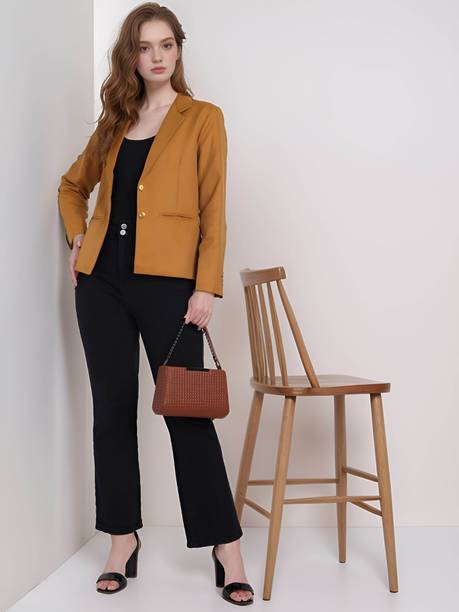
A work wardrobe should make weekday dressing predictable without becoming boring. Build around a few reliable combinations and then introduce variation through colour, accessories and different silhouettes.
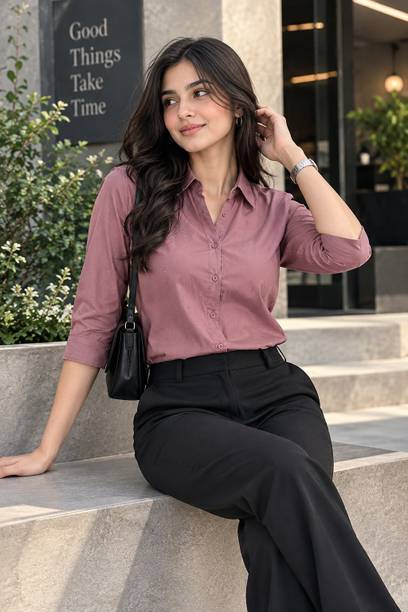
● Structured shirts and blouses: Useful for trousers, skirts and layered professional outfits.
● Tailored trousers: A strong foundation for polished office combinations.
● Simple dresses: Convenient for days when you want a complete outfit with minimal coordination.
● Elegant kurtis: Practical for workplaces where Indian or fusion clothing is appropriate.
● Light layers: Blazers, cardigans or refined overshirts can add structure and adapt an outfit to changing temperatures.
The objective is not to make every outfit formal. Instead, create enough dependable combinations that you can dress professionally without spending unnecessary time deciding what to wear.
What to Buy for College and Student Life
Student wardrobes often need to handle long days, changing schedules and a mixture of casual, academic and social activities. Comfort should therefore be treated as an essential rather than an afterthought.
A useful student wardrobe can include comfortable T-shirts, shirts, jeans, relaxed trousers, casual kurtis, simple dresses, lightweight jackets and dependable everyday footwear.
Choose colours and silhouettes that can be mixed easily. This creates more outfit combinations without requiring a large number of individual pieces.
You can also Explore Casual Everyday Styles when looking for pieces that can move between classes, outings and casual plans.
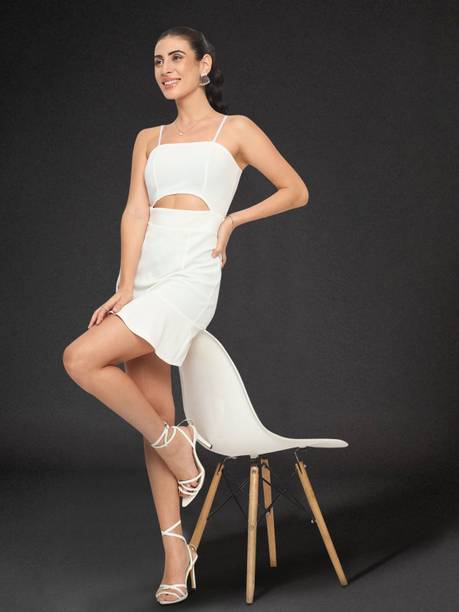
What to Buy for Remote and Flexible Work
Working from home changes the balance between comfort and presentation. Extremely formal clothing may be unnecessary for many remote routines, but wearing comfortable pieces that still look polished can make video meetings and unexpected plans easier to manage.
Look for breathable tops, relaxed trousers, knitwear, simple dresses and presentable layering pieces. Since comfort matters when sitting for long periods, avoid choosing clothing solely because it looks structured.
A small collection of camera-friendly tops in different colours can also make virtual meetings easier without requiring an entirely separate wardrobe.
What to Buy for Frequent Travel
Travel clothing needs to balance comfort, repeat wear, packing convenience and versatility. The most useful pieces are often those that can be worn in multiple combinations rather than items designed for only one photograph or one occasion.
● Neutral or coordinating tops: Make outfit planning easier.
● Comfortable trousers: Useful for long journeys and sightseeing.
● Lightweight layers: Help manage changing temperatures.
● Easy-care fabrics: Can be practical when laundry access is limited.
● Comfortable footwear: Essential when your itinerary involves substantial walking.
Before buying specifically for travel, check whether the item can also become part of your normal wardrobe. This prevents travel clothing from becoming rarely used wardrobe clutter.
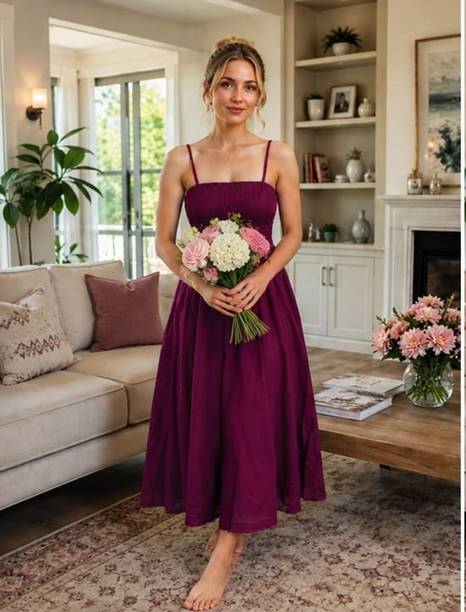
What to Buy for a Busy, On-the-Go Lifestyle
If your days involve commuting, errands, work, family responsibilities and social commitments, clothing that transitions easily becomes especially valuable.
Look for pieces that do not require constant adjustment and can be styled quickly. Stretch where appropriate, comfortable waistbands, practical fabrics and versatile layers can make a meaningful difference.
Keep a few reliable outfit formulas ready. For example, a simple top with trousers and flats can become a dependable weekday combination, while the same base can be updated with jewellery and a structured bag for an evening plan.
Choosing Everyday Fabrics
Fabric affects comfort, appearance, durability and maintenance. There is no single fabric that is perfect for every lifestyle or climate, so consider the actual conditions in which the garment will be worn.
● Cotton: Often valued for its comfortable feel and everyday versatility, particularly in warm conditions.
● Linen and linen blends: Useful when a lightweight, relaxed appearance is desirable.
● Viscose and similar blends: Can offer a soft drape and fluid appearance depending on the construction.
● Polyester blends: May provide useful durability and easy-care characteristics, depending on the garment.
● Stretch blends: Can improve freedom of movement when used appropriately in trousers, tops and other everyday pieces.
Always read the garment's actual fabric composition and care instructions. Fabric names alone do not tell the complete story about how a particular garment will feel or perform.
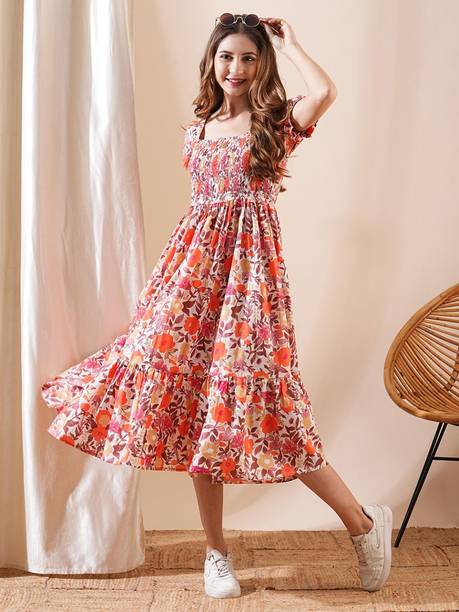
Build a Colour System That Makes Dressing Easier
Colour coordination can dramatically increase the number of outfits you can create. Instead of buying every colour that catches your attention, establish a small group of colours that work well together.
Neutrals such as black, white, cream, beige, navy, grey and brown can provide a flexible foundation. Depending on personal preference, colours such as burgundy, olive, teal, pink, blue or other shades can then add personality.
The goal is not to create a completely neutral wardrobe. It is to make sure your statement colours have enough compatible pieces around them to become wearable rather than isolated purchases.
Why Fit Matters More Than a Clothing Size
Clothing sizes are not perfectly standardised across brands or garment categories. A practical shopping decision should therefore consider measurements, garment construction and intended fit rather than relying only on a familiar size label.
Check the measurements provided by the seller and compare them with a garment you already own that fits comfortably. Pay particular attention to shoulders, bust, waist, hips, rise and garment length where relevant.
Also distinguish between a deliberately relaxed silhouette and a garment that is simply too large. Good fit is about how the clothing is designed to sit on the body and whether it allows comfortable movement.
The Everyday Basics Worth Prioritising
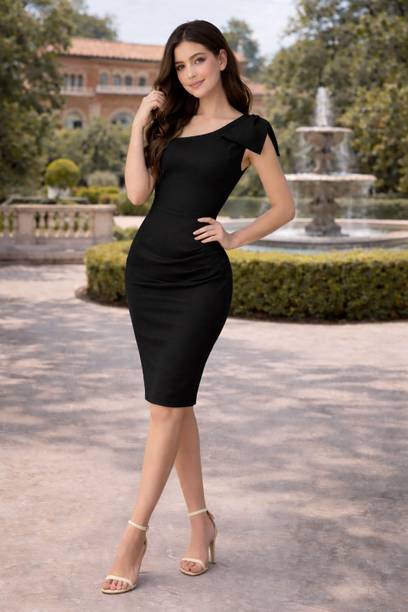
Basics are not necessarily boring. They are the pieces that make more expressive clothing easier to wear. A well-planned wardrobe should contain enough reliable foundations to support different outfits throughout the week.
● A few well-fitting everyday tops.
● Comfortable jeans or casual trousers.
● One or more polished work-appropriate bottoms.
● Versatile kurtis or tunics where appropriate to your style.
● A simple dress or one-piece outfit.
● A useful lightweight layer.
● Comfortable everyday footwear.
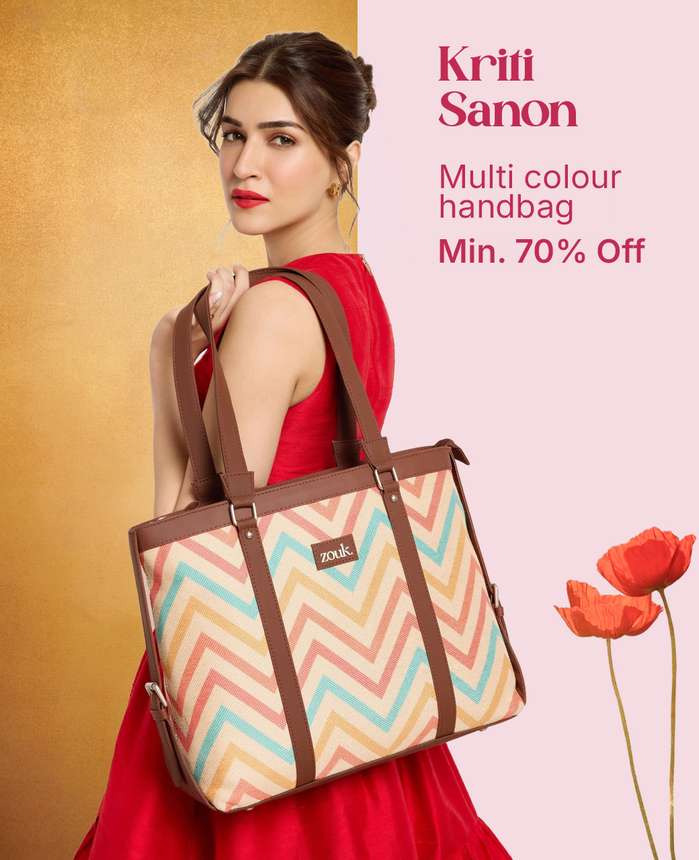
● A practical everyday bag.
The exact number depends on how frequently you do laundry, how often you work outside the home and how much variety you prefer.
Accessories That Make Everyday Outfits Feel Complete
Accessories can change the personality of an outfit without requiring a new set of clothes. However, an everyday accessory collection should be practical enough to use repeatedly.
● Everyday earrings: Simple styles can work across casual and professional outfits.
● Minimal necklaces: Useful for adding a subtle finishing detail.
● Watches and bracelets: Can add structure without overwhelming a simple outfit.
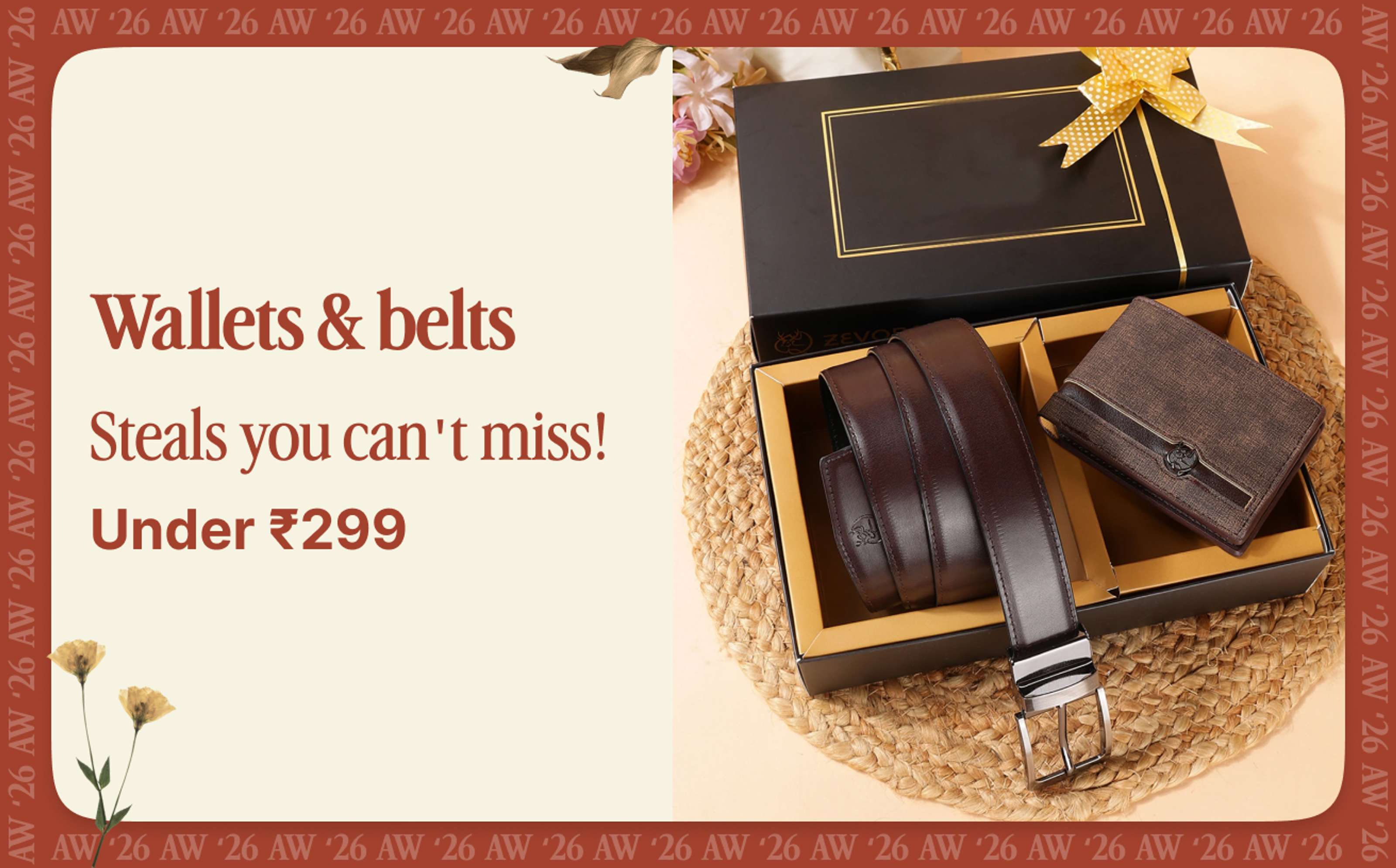
● Belts: Useful for defining proportions and adding visual detail.
● Scarves: Can introduce colour, texture or an additional layer.
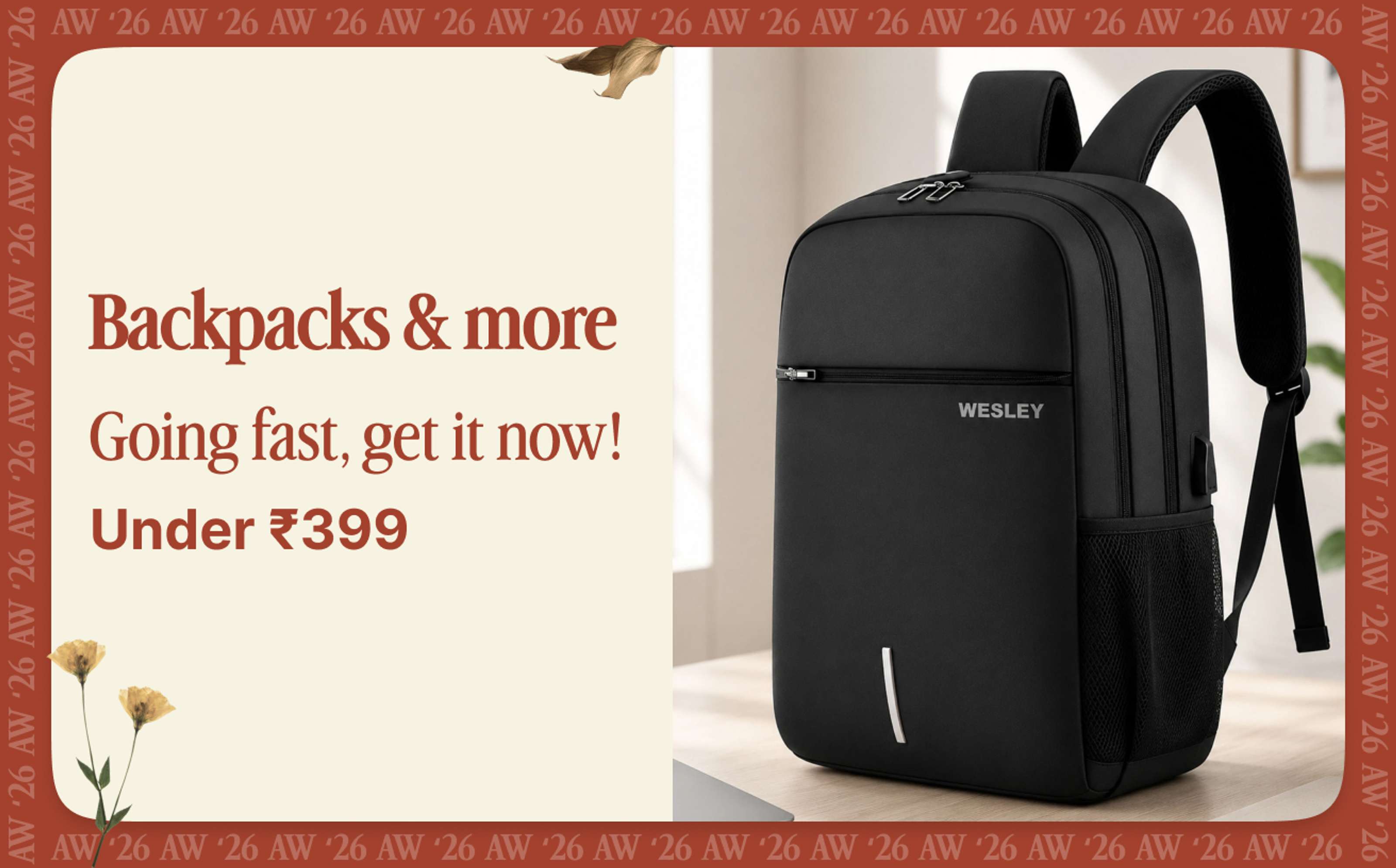
● Functional bags: Choose based on what you actually carry every day.
You can Explore Everyday Accessories to find additional styling ideas that complement your existing wardrobe.
Everyday Footwear: Style Meets Real-Life Comfort
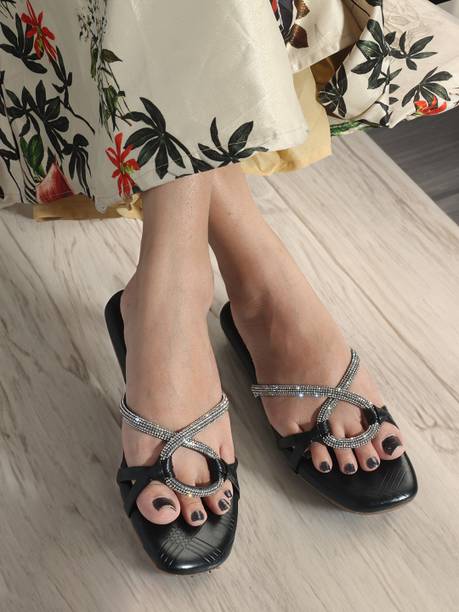
Footwear can determine whether an outfit is genuinely practical. Your shoe collection should reflect the amount of walking, commuting and standing your lifestyle involves.
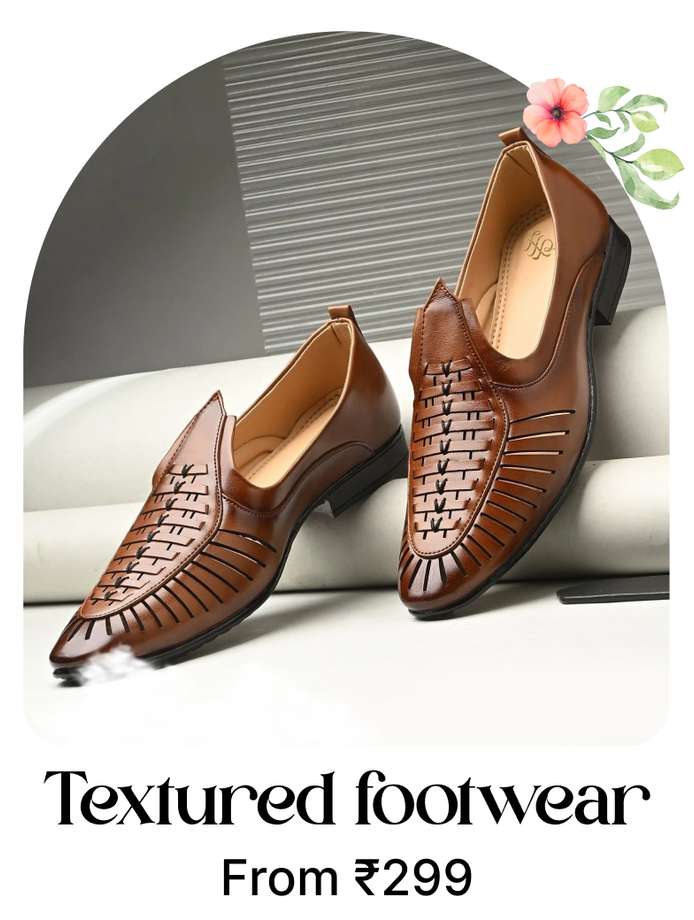
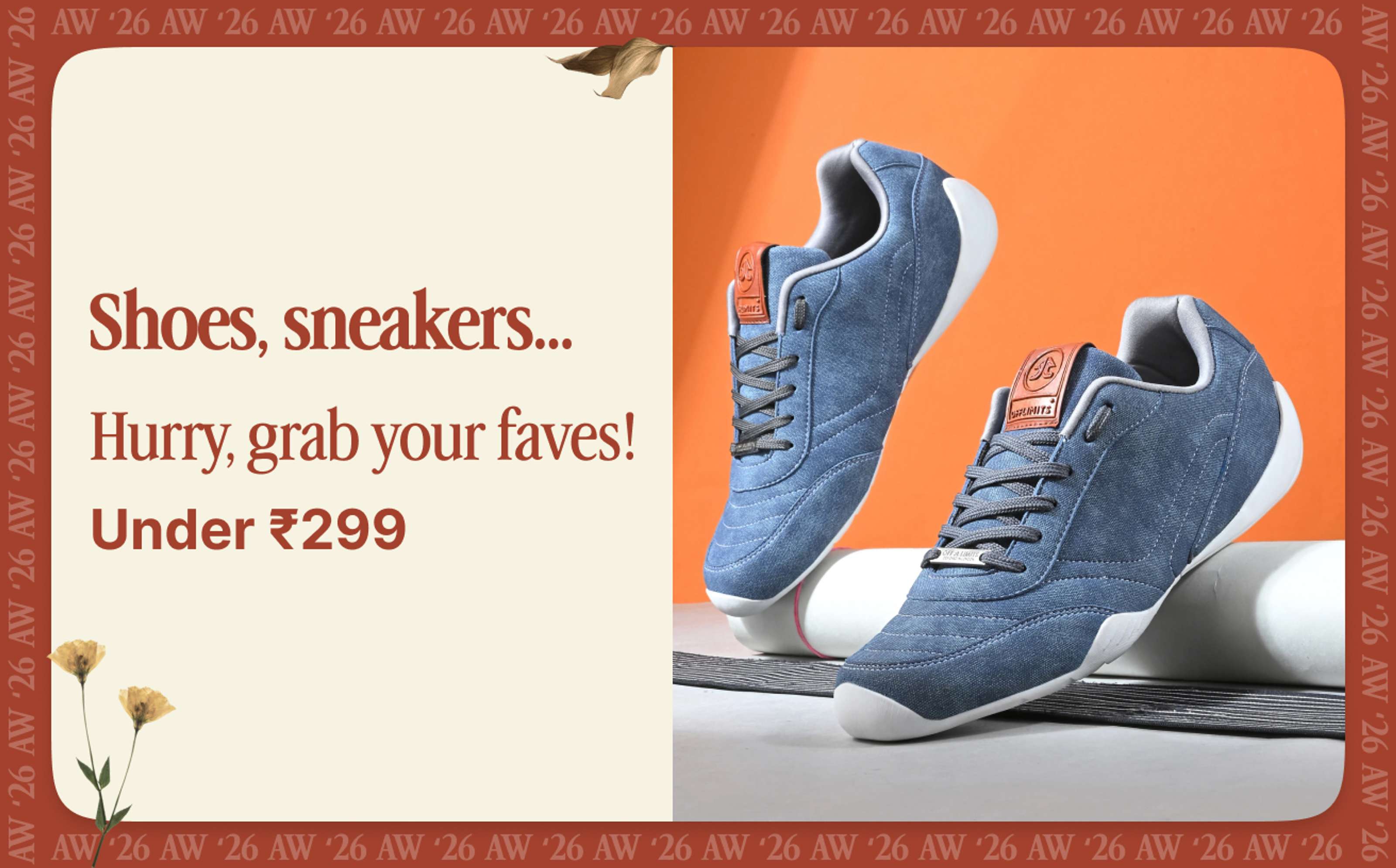
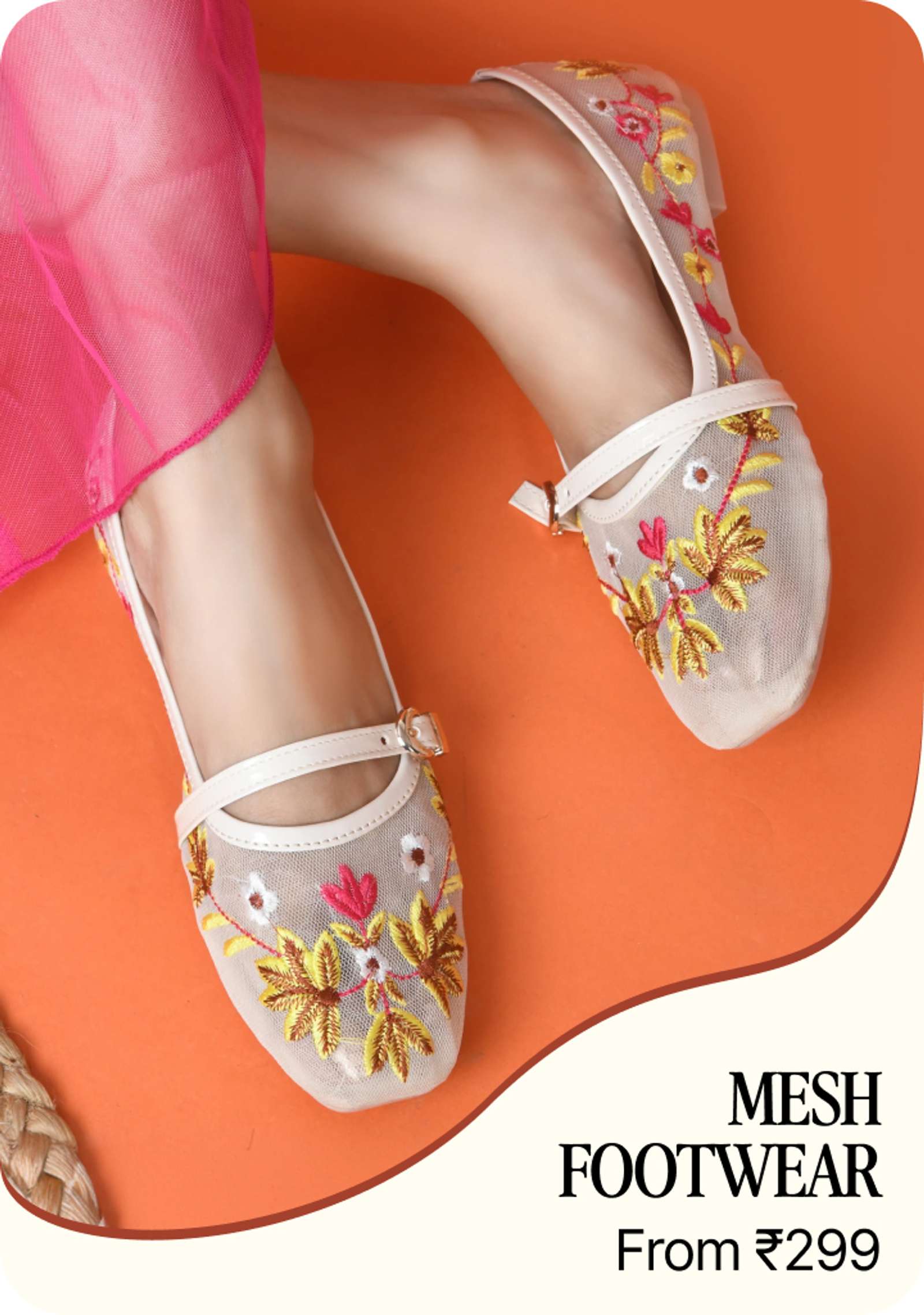
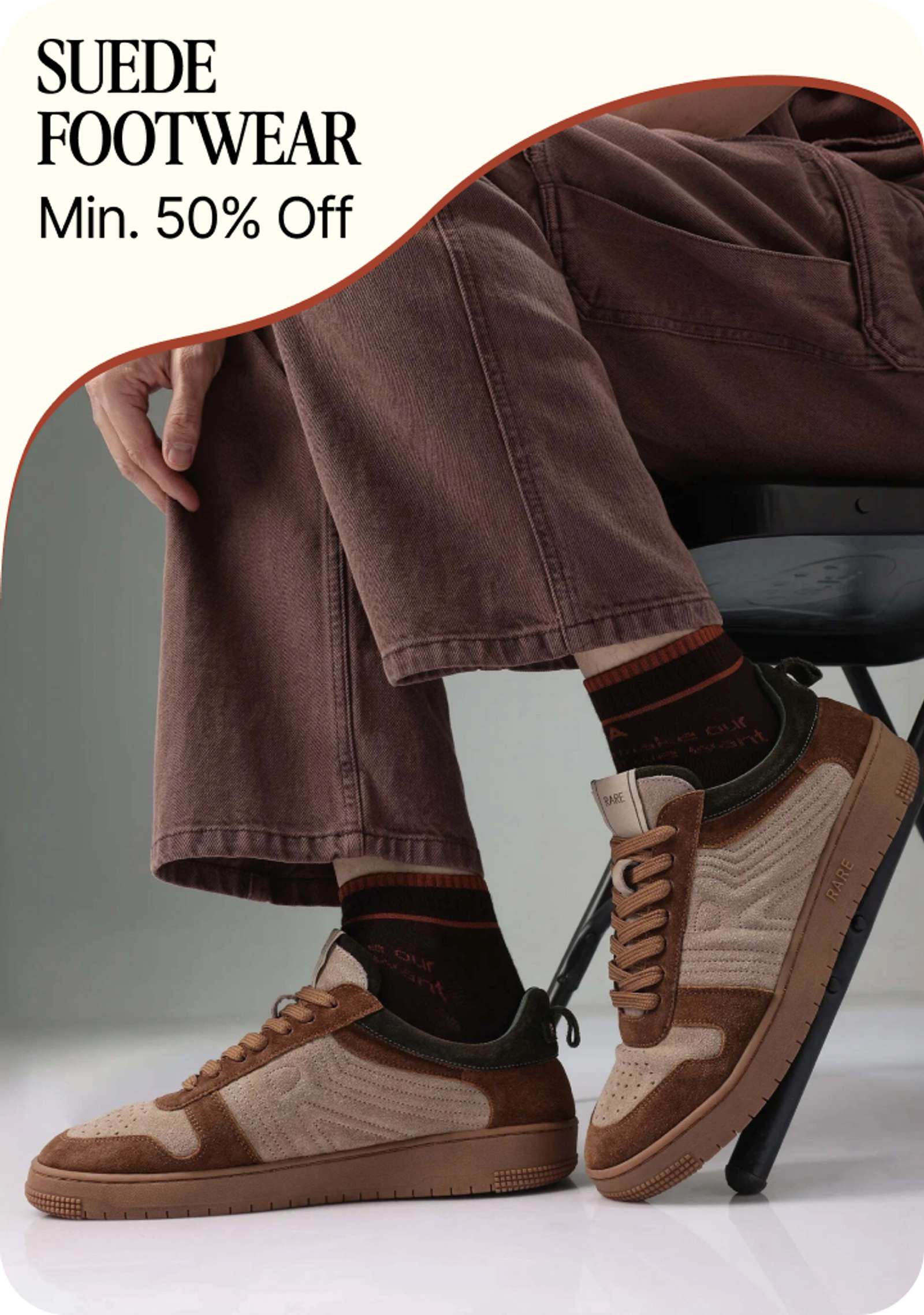
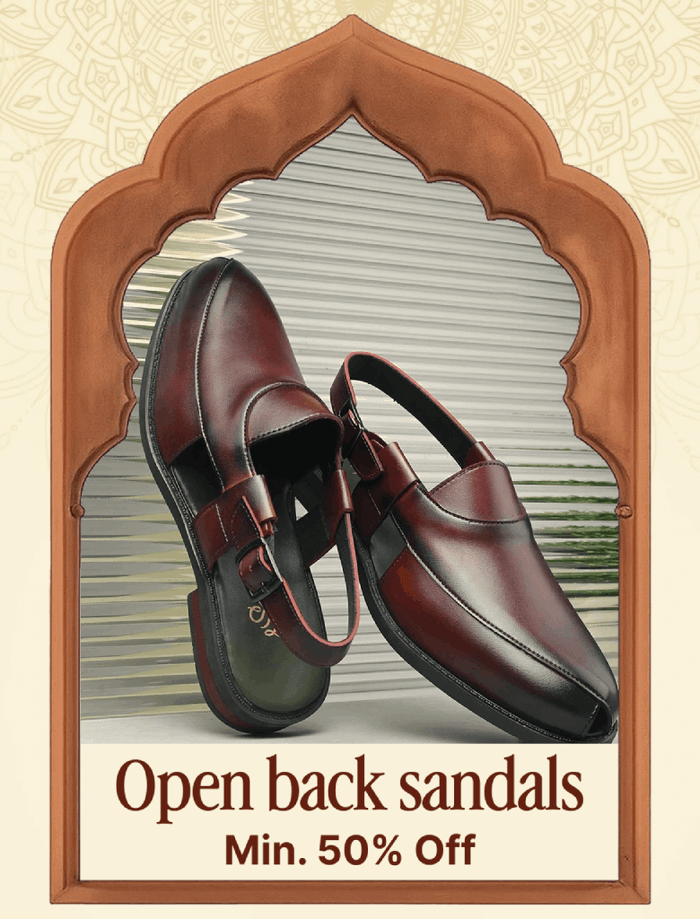
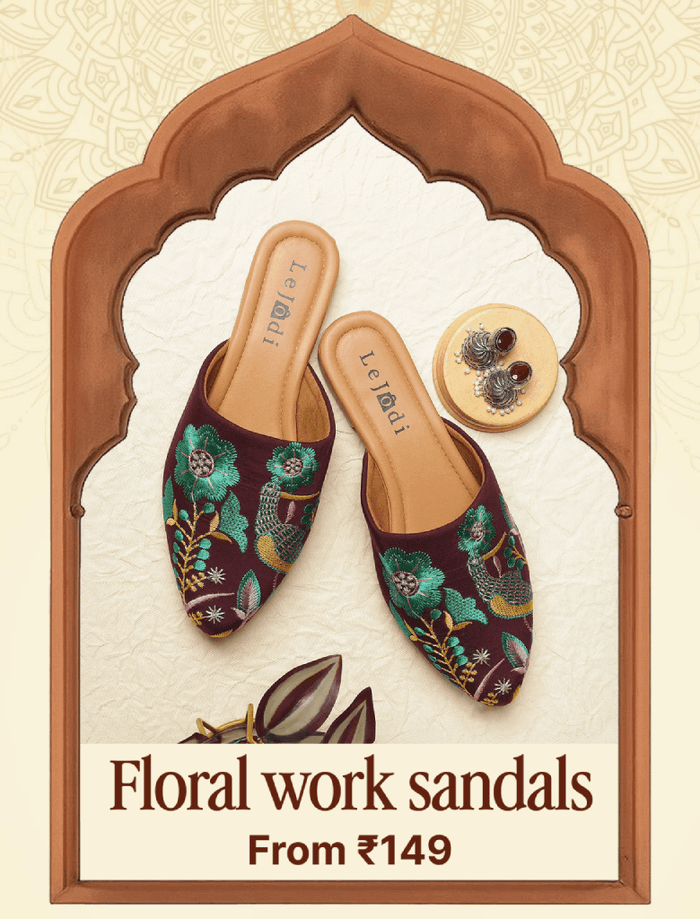
Depending on your needs, useful categories may include comfortable flats, sneakers, loafers, sandals, low heels or other shoes suitable for your environment.
Instead of buying shoes for every individual outfit, select a few versatile pairs that coordinate with several clothing categories. Comfort, fit and appropriate support should be considered alongside appearance.
Layering Pieces That Extend Your Wardrobe
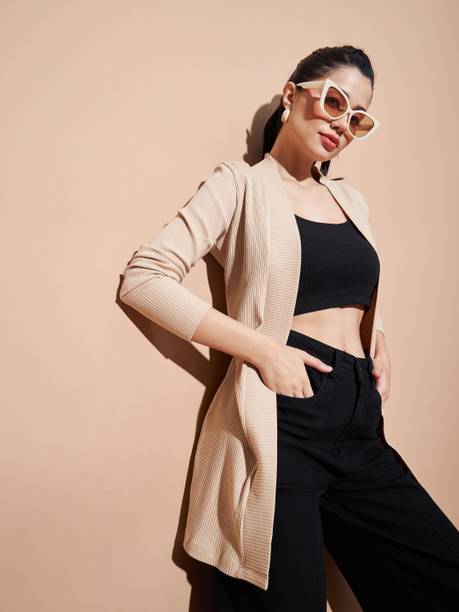
Layering can make existing clothing more versatile and help adapt outfits to different temperatures. A lightweight cardigan, overshirt, denim jacket, blazer, shrug or other suitable layer can create an entirely different visual effect over the same base outfit.
Choose layers that work with multiple silhouettes. A very specialised layer may look impressive but provide less practical value if it only works with one outfit.
Neutral layers are particularly useful when your wardrobe contains colourful tops and dresses, while a statement layer can become the focal point of a simpler wardrobe.
Choose Pieces That Can Move From Day to Evening
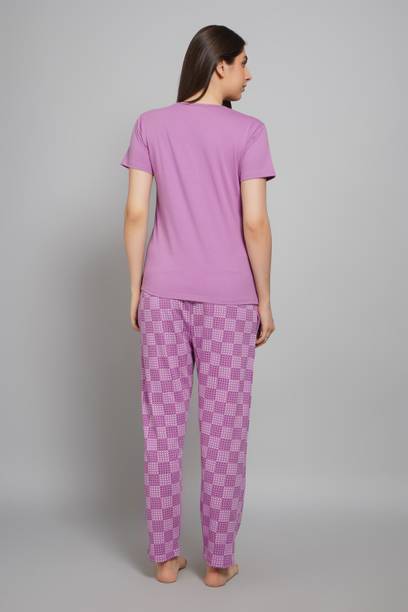
Some of the most useful wardrobe pieces are those that can change character through styling. A simple dress can become more polished with jewellery and refined footwear. Trousers and a top can move from daytime to dinner with a structured bag and a more distinctive accessory.
When shopping, ask yourself whether the garment can be styled in at least two different ways. This simple question can prevent impulse purchases that have very limited use.
If you are looking for versatile additions, consider Explore Versatile Day-to-Night Fashion for further outfit inspiration.
Use Capsule-Wardrobe Thinking Without Following a Strict Formula
You do not need to own an extremely small wardrobe to benefit from capsule wardrobe principles. The useful idea is simply to make sure your clothing works together.
Start by identifying a handful of dependable tops, bottoms, layers and shoes that can be combined in multiple ways. Then add personality through prints, colours, accessories and occasional statement pieces.
This approach creates flexibility without requiring every item to be perfectly basic. The goal is coordination, not uniformity.
How to Shop for Everyday Clothing Online
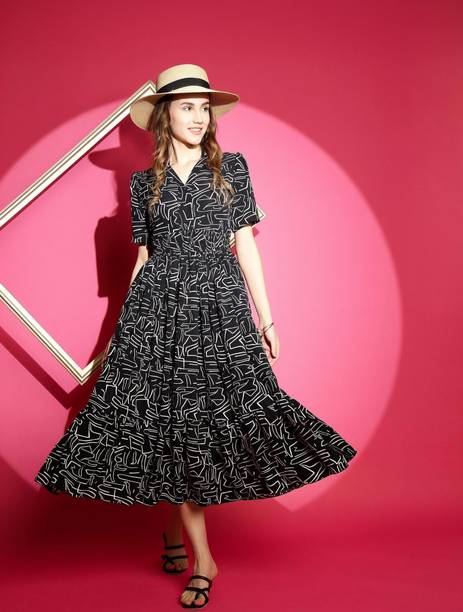
Online shopping makes it easy to discover a huge variety of clothing, but abundance can also encourage unnecessary purchases. Before adding an item to your cart, pause and evaluate it as part of your existing wardrobe.
● Check measurements: Use the size chart instead of assuming that the same size will fit across every brand.
● Read the fabric details: Understand the composition before deciding whether it suits your climate and routine.
● Review care instructions: Consider whether you are willing to maintain the garment properly.
● Check return conditions: Understand the applicable return, exchange and refund terms before purchasing.
● Study the photographs: Look at the garment from different angles when those images are available.
● Think about existing outfits: Identify at least two or three ways you could realistically style the piece.
You can Explore Selected Everyday Clothing after checking these practical factors.
Think About Cost Per Wear, Not Just Purchase Price
A lower purchase price does not automatically make an item a better wardrobhttps://fkrt.co/HB9mQFe choice. A garment that is worn repeatedly can provide more practical value than an inexpensive item that remains in the wardrobe.
Before buying, consider how often you expect to wear the piece, how many existing items it coordinates with and whether it can serve more than one purpose.
This way of thinking encourages more intentional shopping and can reduce the cycle of buying clothes that look attractive initially but do not become part of your regular rotation.
Adapt Your Wardrobe to the Season
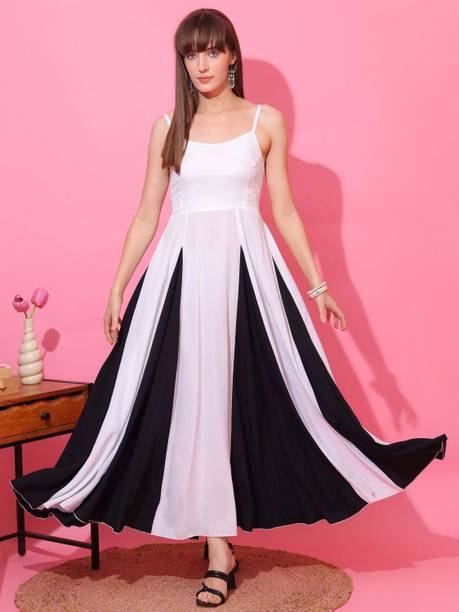
Everyday clothing should respond to your local weather rather than simply following seasonal fashion trends. In warmer conditions, breathable fabrics, lighter layers and comfortable silhouettes can be useful. During cooler periods, layering allows the same core wardrobe to remain relevant.
Instead of replacing your entire wardrobe whenever the season changes, rotate a smaller selection of seasonal pieces around a dependable core. This makes storage easier and can reduce unnecessary shopping.
Seasonal accessories can also refresh familiar outfits without requiring major wardrobe changes.
Simple Everyday Outfit Formulas
Outfit formulas can reduce decision fatigue. Once you identify combinations that work for your lifestyle, you can repeat the structure while changing colours, fabrics and accessories.
● Casual: Comfortable top + jeans + sneakers + practical bag.
● Smart Casual: Refined top + tailored trousers + loafers + understated accessories.
● Everyday Ethnic: Kurti + cigarette pants + flats + simple jewellery.
● Relaxed Office: Shirt or blouse + trousers + comfortable footwear + structured bag.
● Easy Evening: Simple dress + statement accessories + polished footwear.
● Travel: Comfortable top + relaxed trousers + lightweight layer + walking-friendly footwear.
Common Everyday Clothing Shopping Mistakes
Even a carefully planned wardrobe can become difficult to manage when shopping decisions are driven entirely by trends or impulse. Watch for these common problems:
● Buying clothing for an imaginary lifestyle rather than your real routine.
● Choosing appearance over comfort for garments intended for frequent wear.
● Purchasing too many pieces that serve exactly the same purpose.
● Ignoring fabric composition and care instructions.
● Buying a colour that does not coordinate with existing clothing.
● Choosing a size based only on memory rather than current measurements.
● Purchasing something because it is fashionable without knowing when it will actually be worn.
A more thoughtful shopping process can help you spend your wardrobe budget on clothing that genuinely earns a place in your regular rotation.
Advantages
● Makes daily outfit planning easier.
● Encourages versatile clothing choices.
● Helps reduce unnecessary wardrobe purchases.
● Makes existing clothing easier to combine.
● Supports more intentional fashion shopping.
Things to Consider
● Every lifestyle requires a different wardrobe balance.
● Fabric suitability depends on climate and personal comfort.
● Clothing sizes can vary significantly between brands.
● Trends should complement your wardrobe rather than control it.
● The most versatile wardrobe is not necessarily the smallest wardrobe.
Everyday Clothing Shopping Checklist
Before purchasing a new everyday item, use this quick checklist:
● Does it suit my actual lifestyle?
● Can I wear it comfortably for several hours?
● Does the colour work with clothes I already own?
● Can I create at least two or three outfits with it?
● Is the fabric suitable for my climate and routine?
● Can I maintain and wash it as required?
● Have I checked the measurements and fit information?
● Do I genuinely need this category of clothing?
● Would I still want it if it were not currently trending?
Frequently Asked Questions About Everyday Clothing
Explore More Everyday Style Inspiration
Building a useful wardrobe is an ongoing process. Once your everyday essentials are in place, you can gradually introduce seasonal colours, occasionwear, ethnic fashion, accessories and trend-led pieces without losing the practical foundation of your wardrobe.
The strongest personal style is not necessarily about owning more clothes. It is about understanding what works for you and knowing how to make those pieces work together.
For additional fashion ideas, discover more style guides and outfit inspiration across Affimarts.
The Final Wardrobe Edit
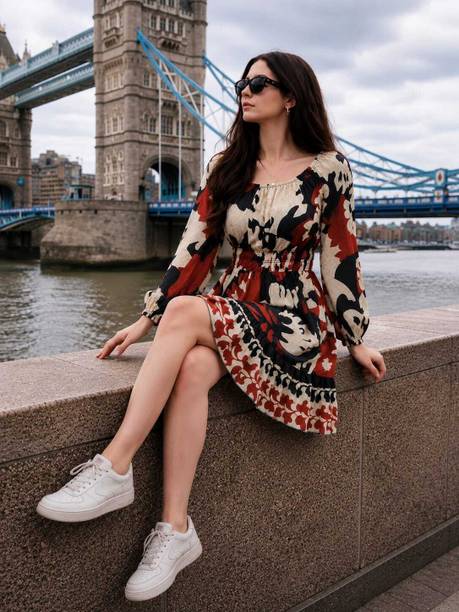
The perfect everyday wardrobe is different for every woman because everyday life is different for everyone. A corporate professional, student, traveller, remote worker, entrepreneur and busy parent can all require very different clothing combinations.
The smartest approach is to build from your real routine. Prioritise clothing that feels comfortable, fits well, coordinates with what you already own and can be worn repeatedly. Once those foundations are established, fashion trends become an optional source of inspiration rather than something you have to chase.
Ultimately, the best wardrobe is one that makes getting dressed easier while still giving you room to express your personality. Buy thoughtfully, style creatively and let your everyday clothing work for the life you actually live.
Editorial & Affiliate Disclosure
Some links on this page may be affiliate links. If you choose to purchase through an affiliate link, Affimarts may earn a commission at no additional cost to you. Product availability, pricing, sizes, colours and other details can change, so readers should review the information provided by the retailer before making a purchase.
Our editorial recommendations are intended to provide fashion inspiration and practical shopping guidance. Readers should consider their own preferences, requirements, budget, sizing and lifestyle before purchasing any product.
About This Fashion Guide
This guide is designed to help readers make more thoughtful everyday clothing decisions by considering lifestyle, comfort, versatility, fabric, fit, colour coordination and repeat wear. It is intended as general fashion and shopping information rather than a rulebook. Personal preferences, climate, workplace requirements and individual needs should always guide final clothing choices.