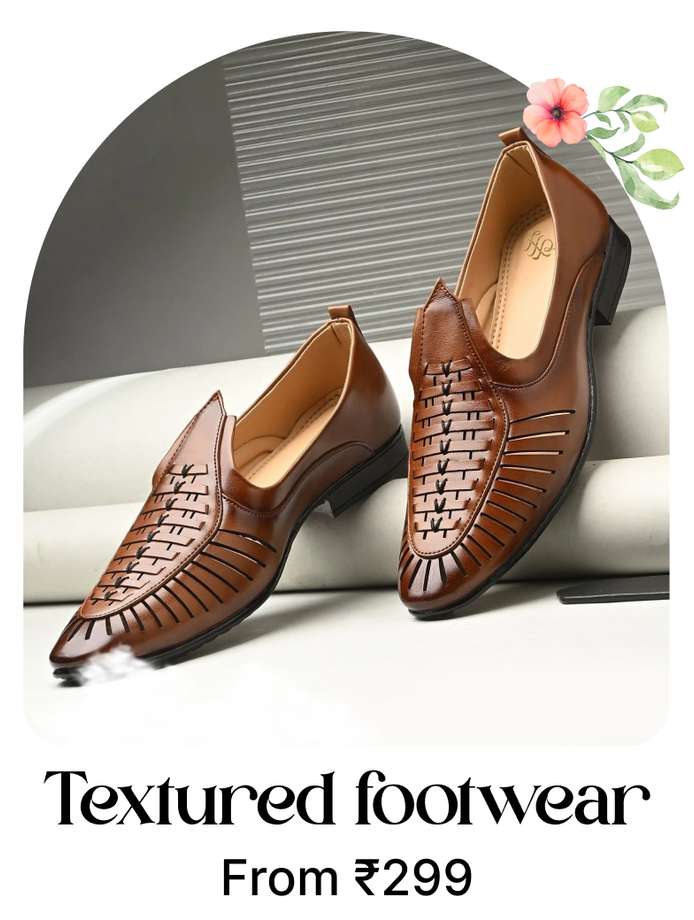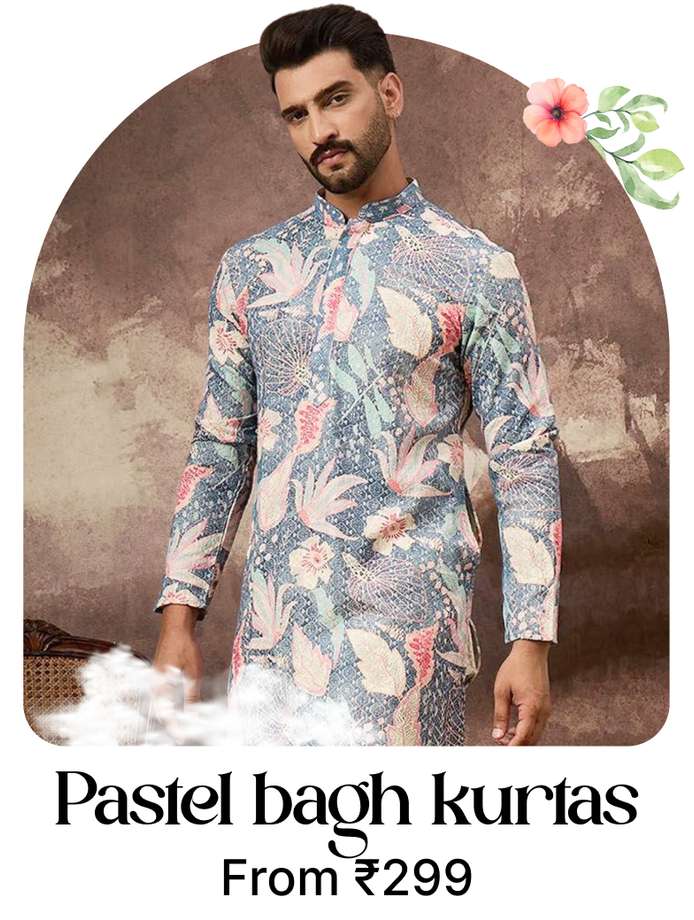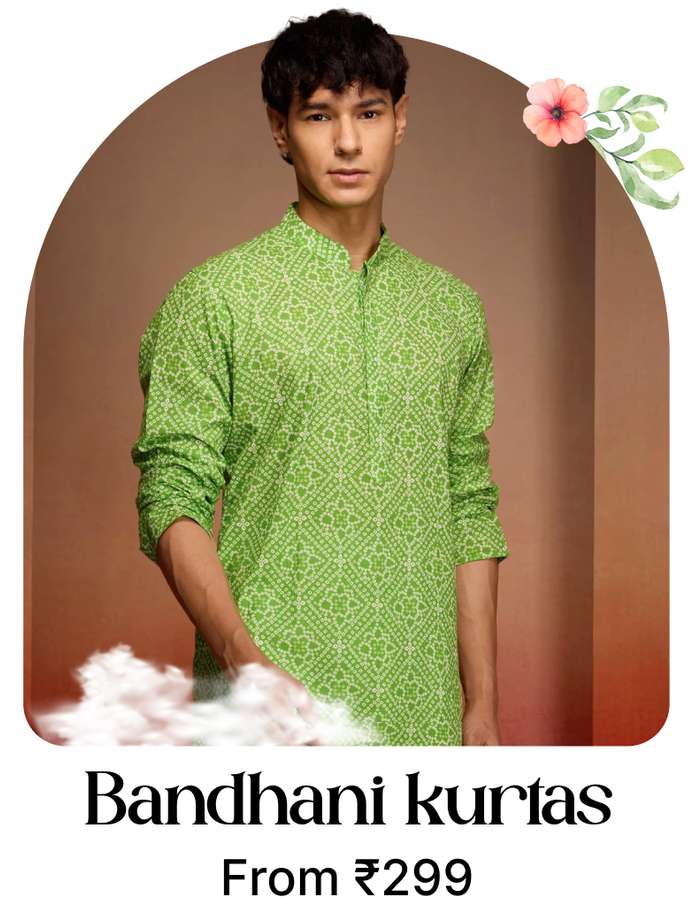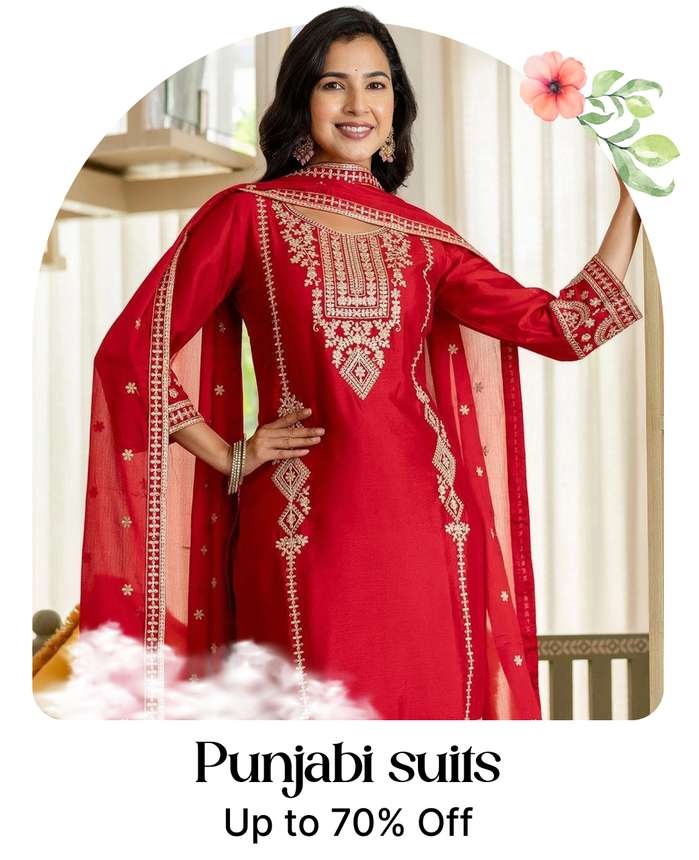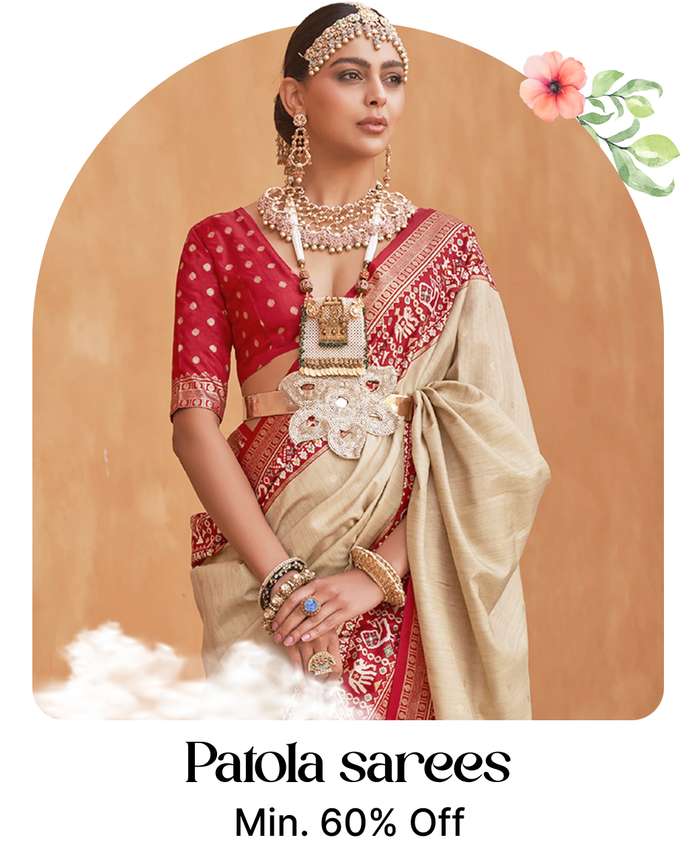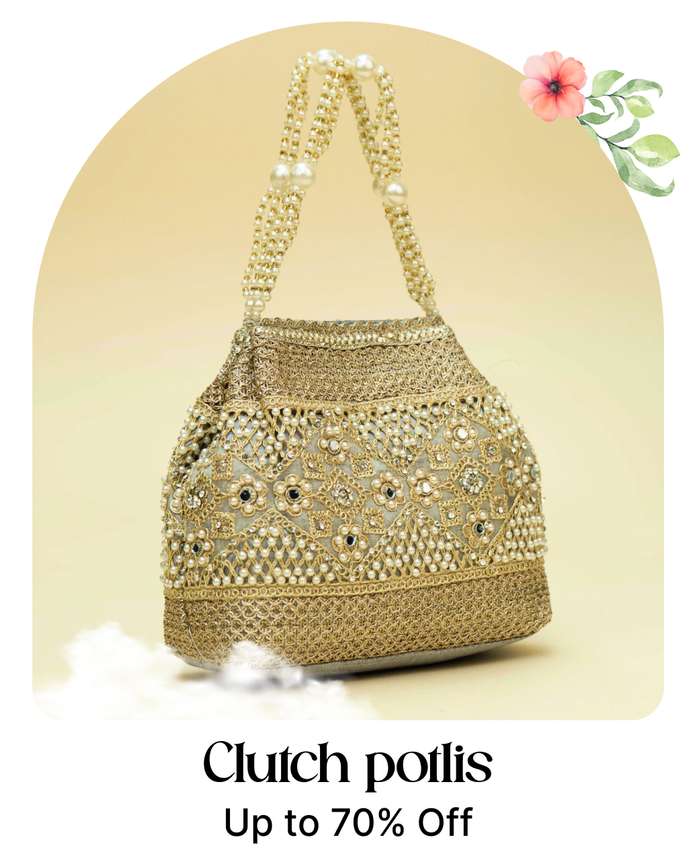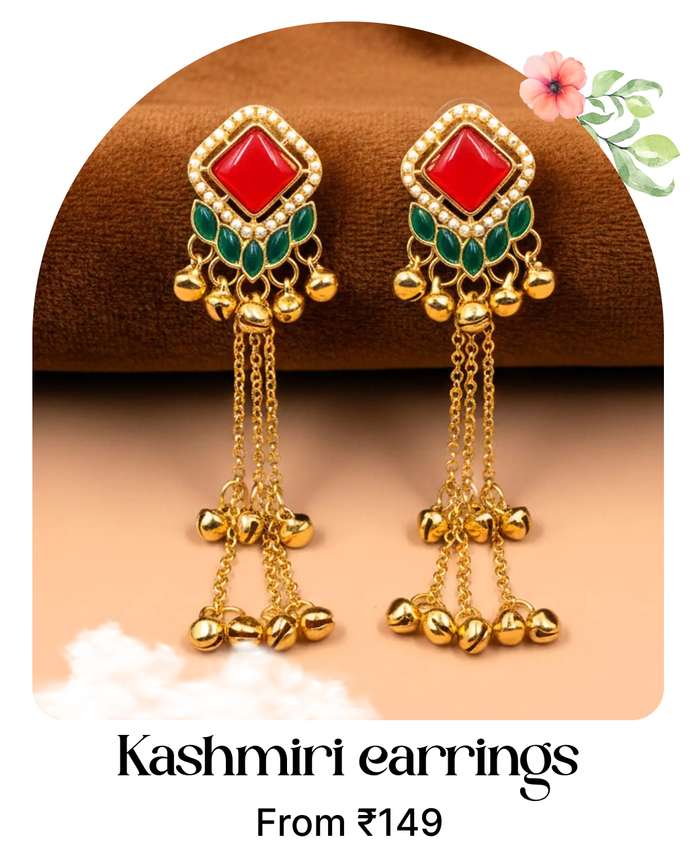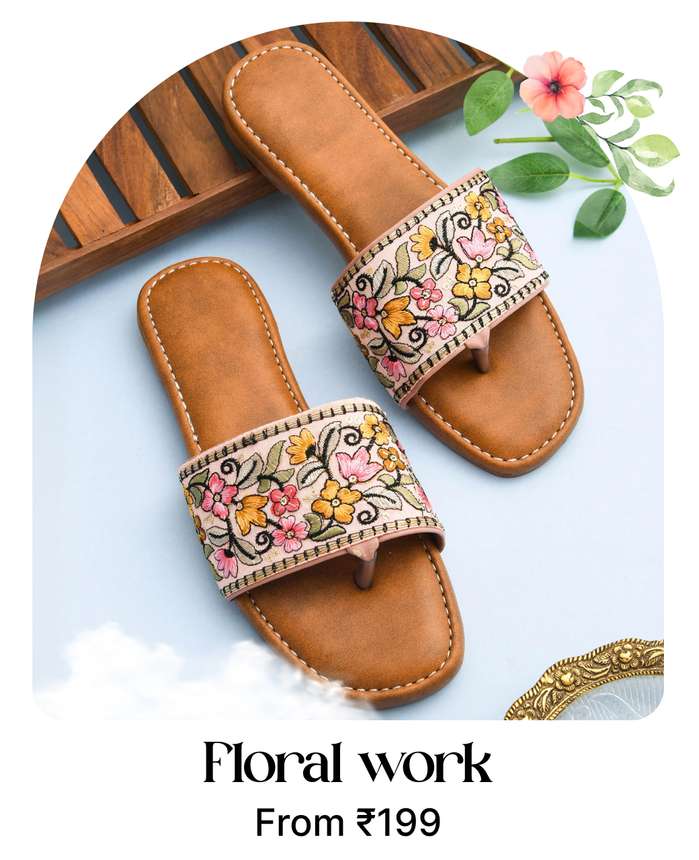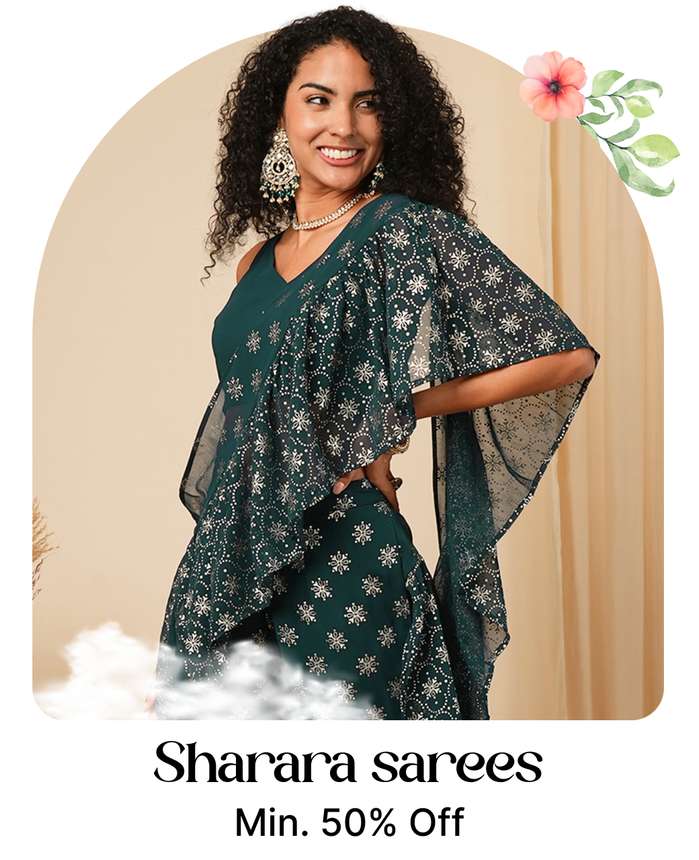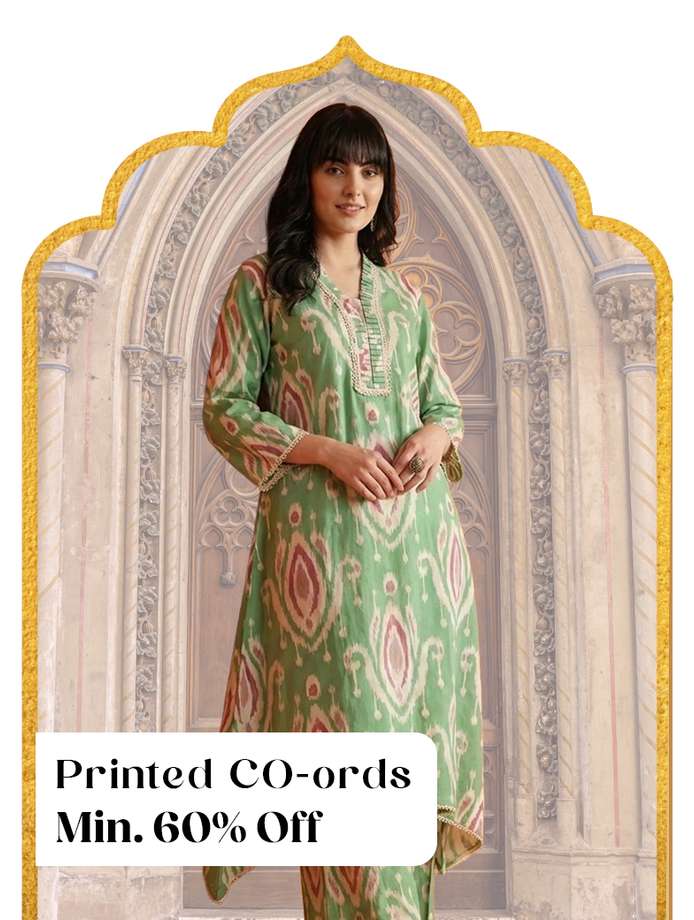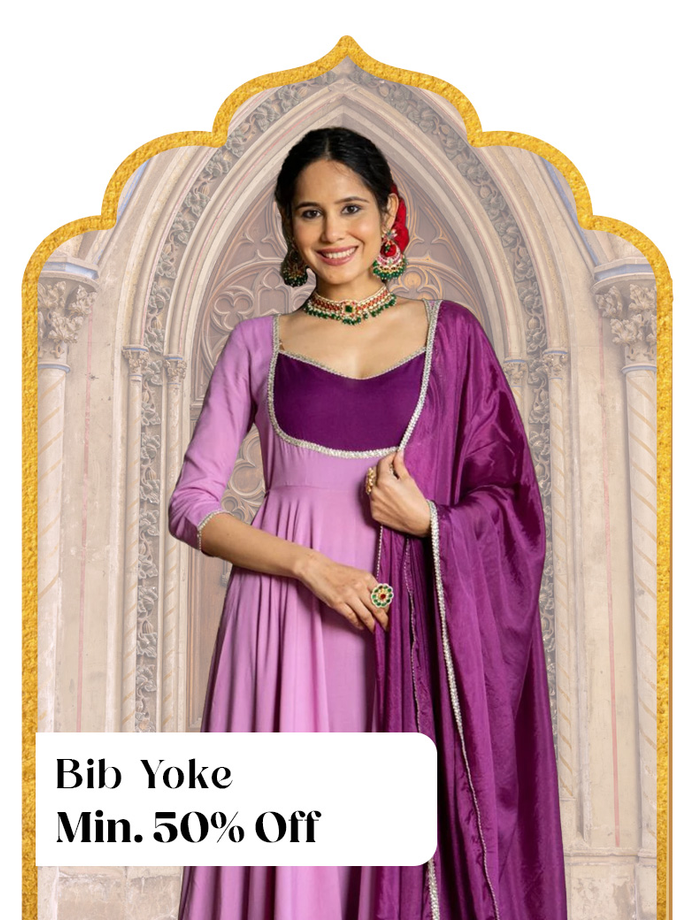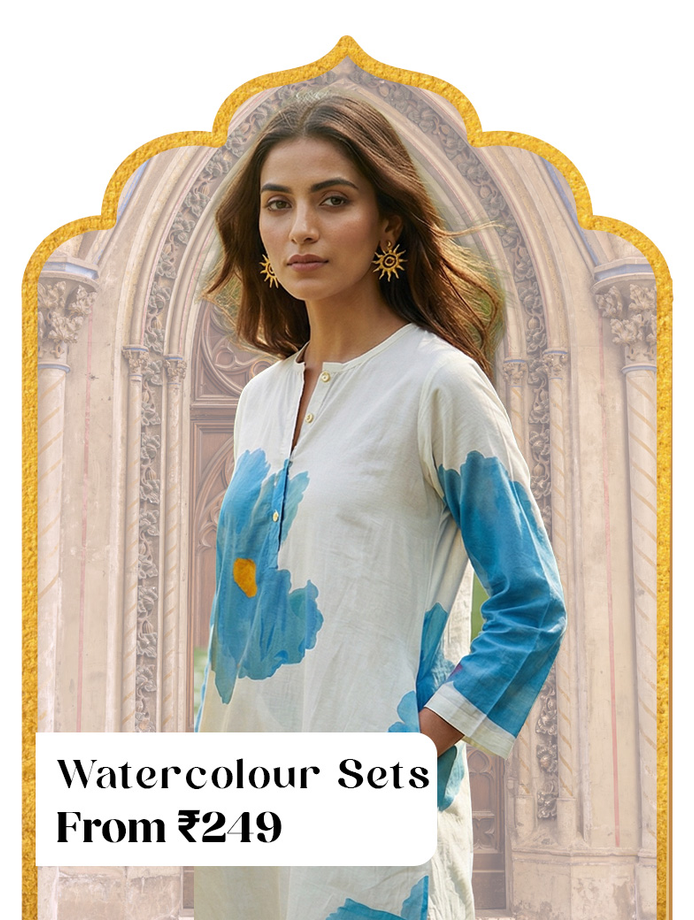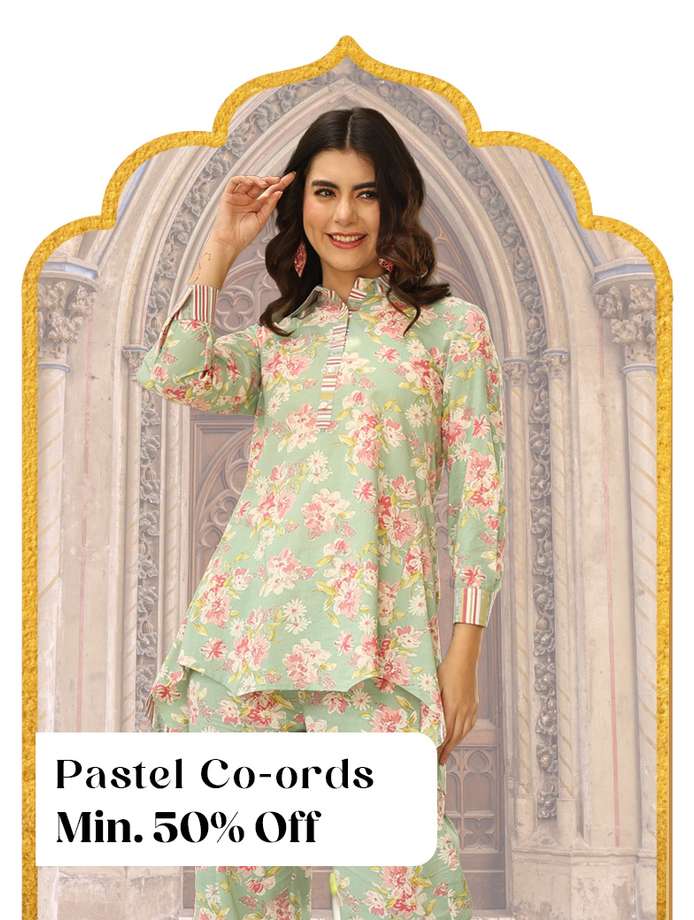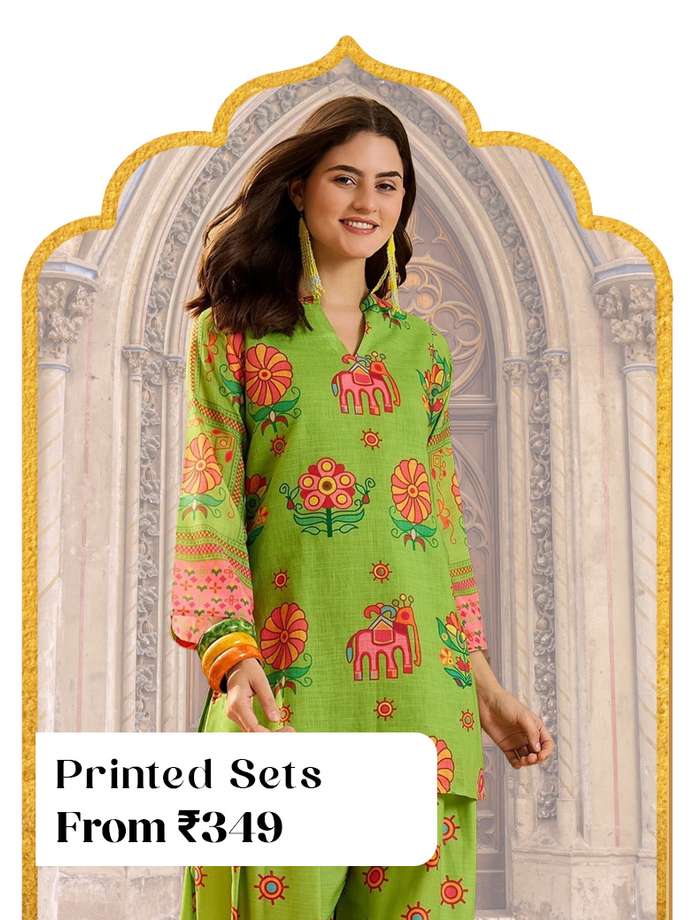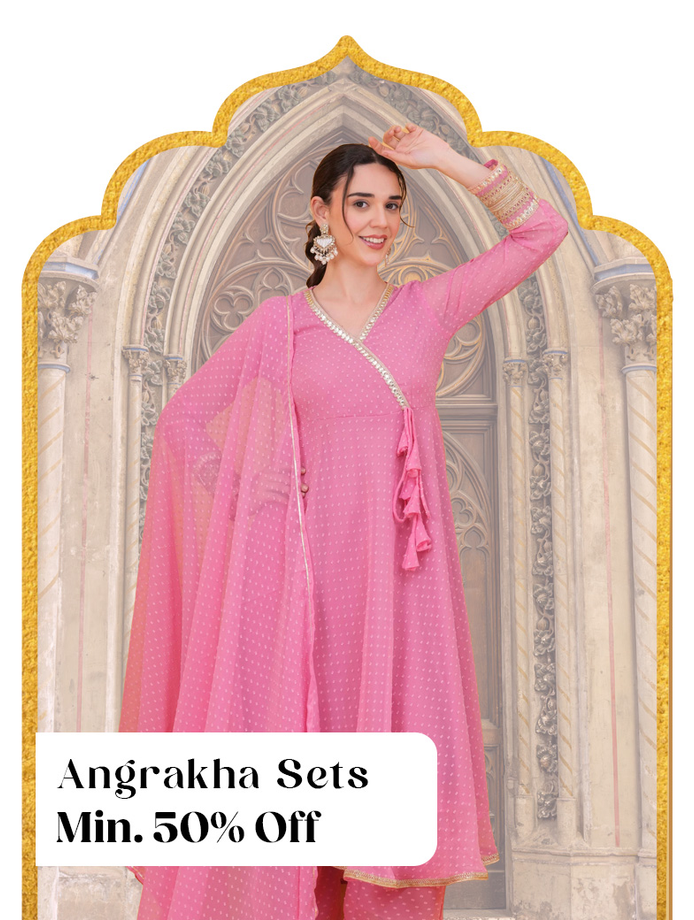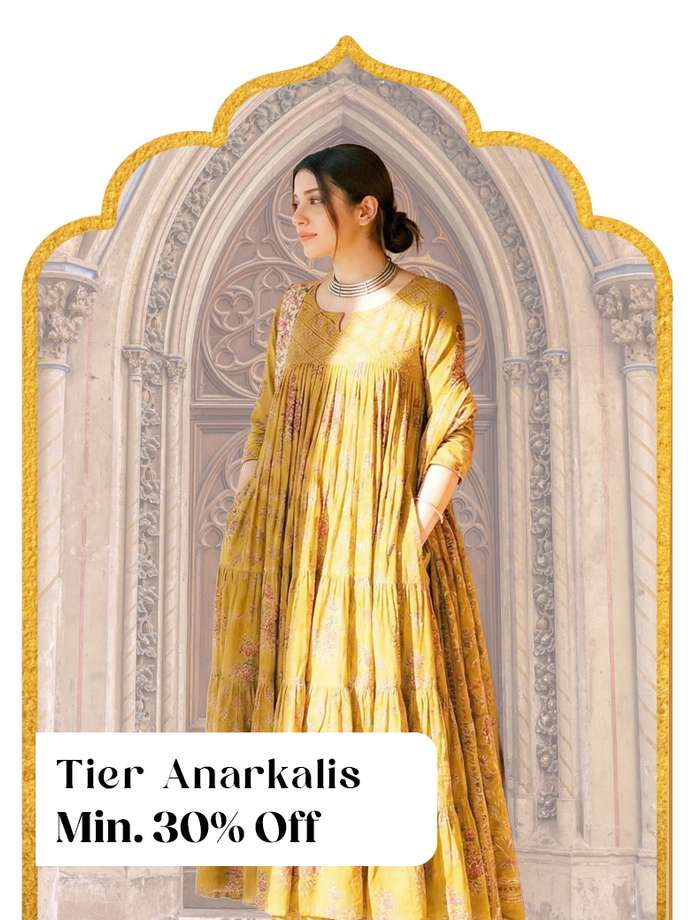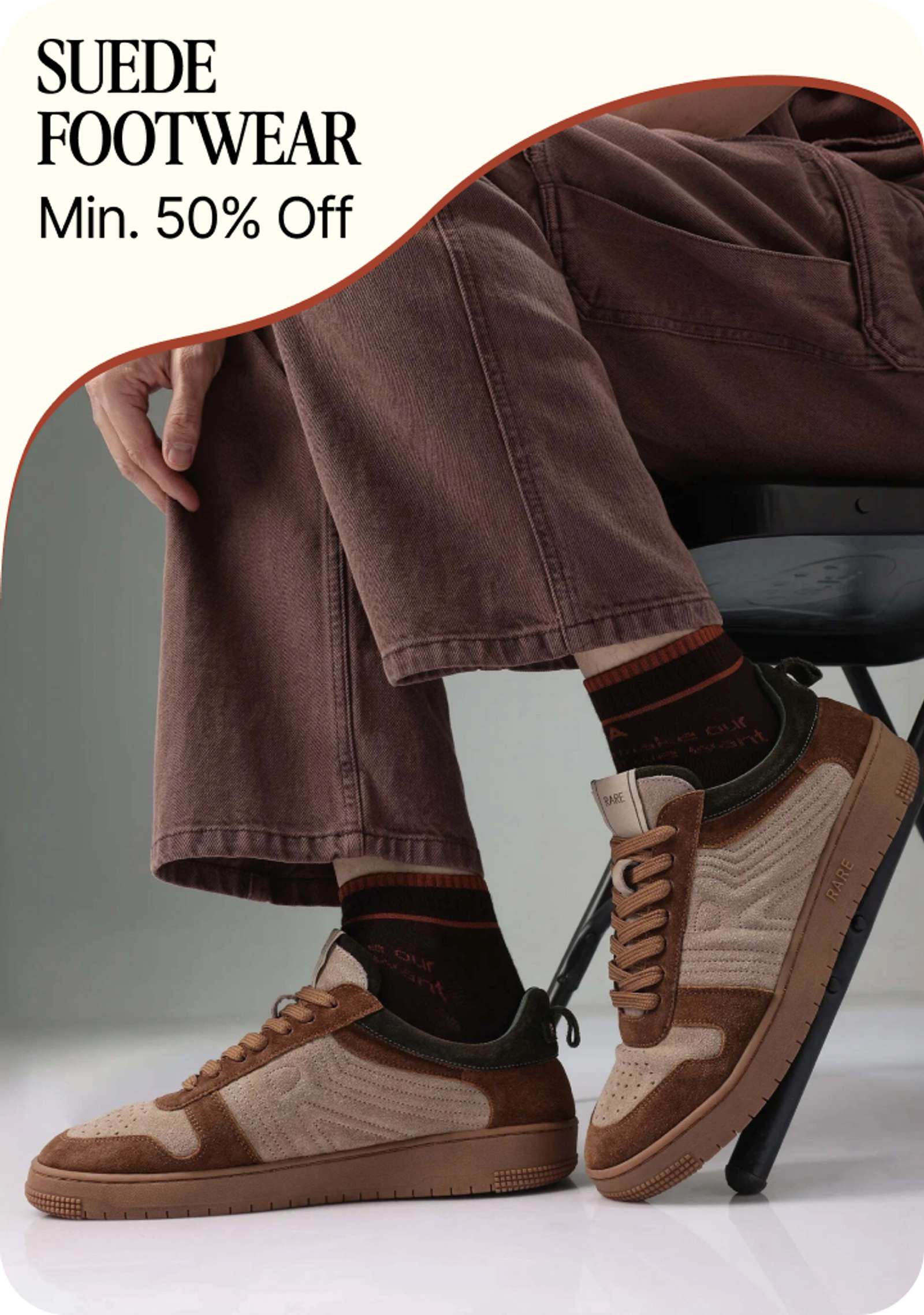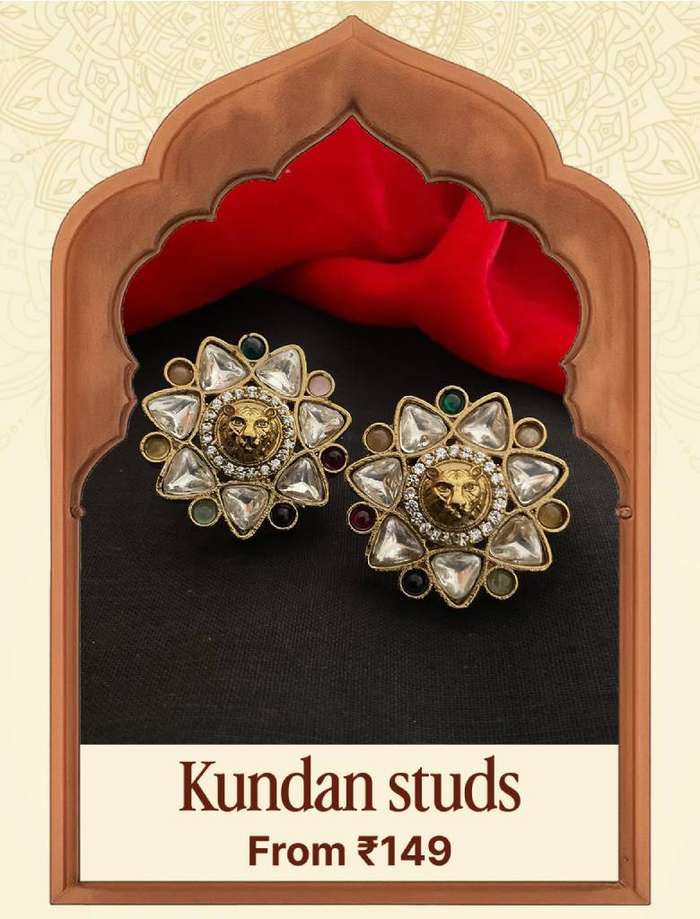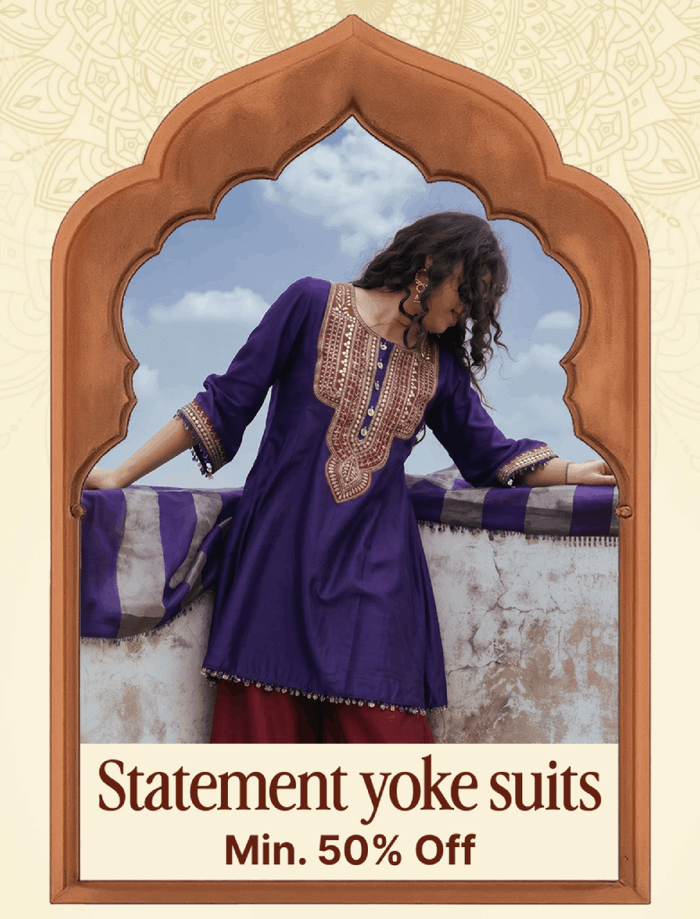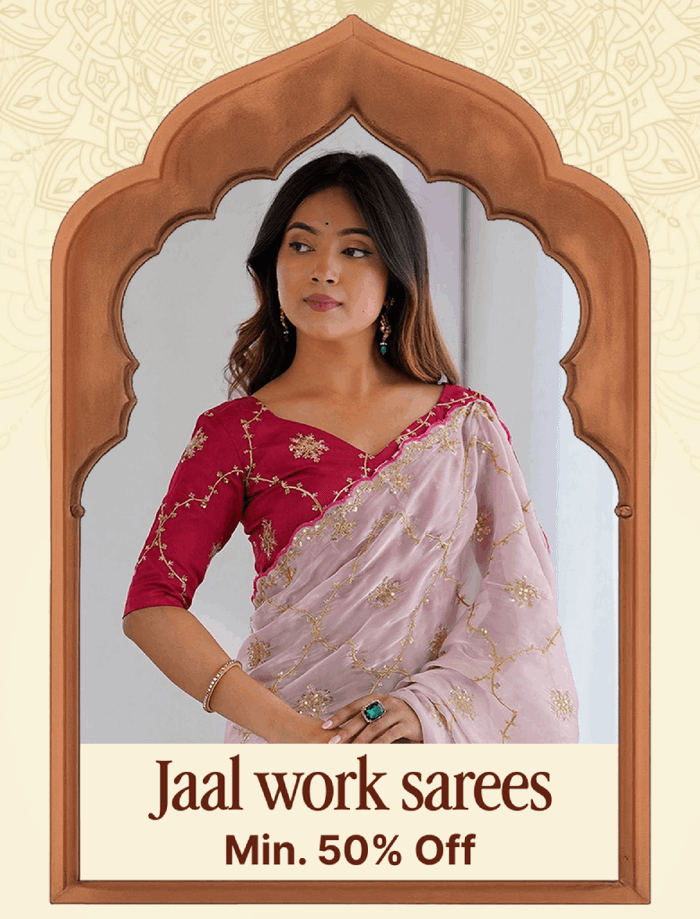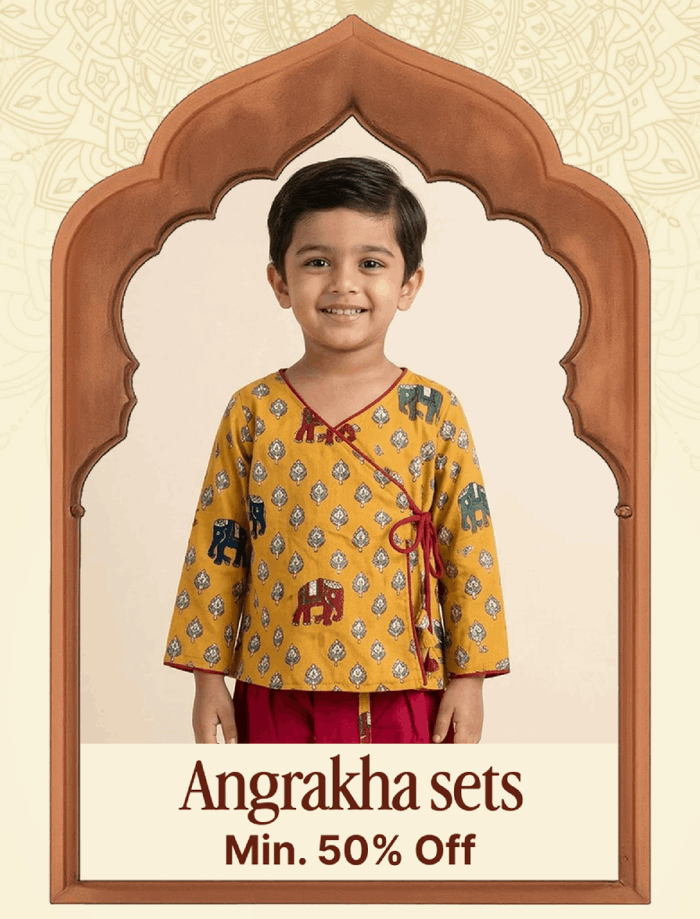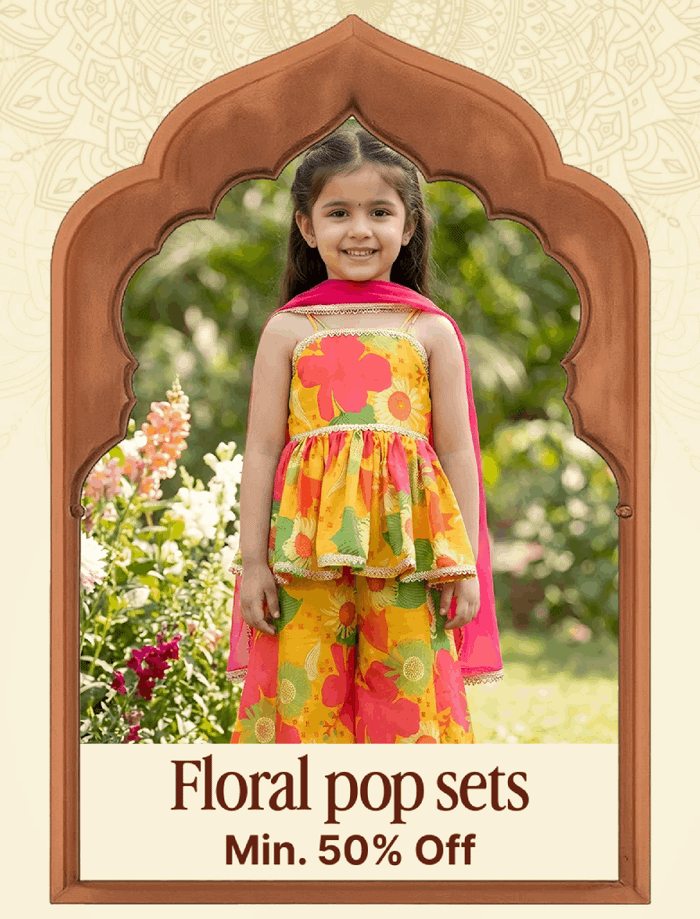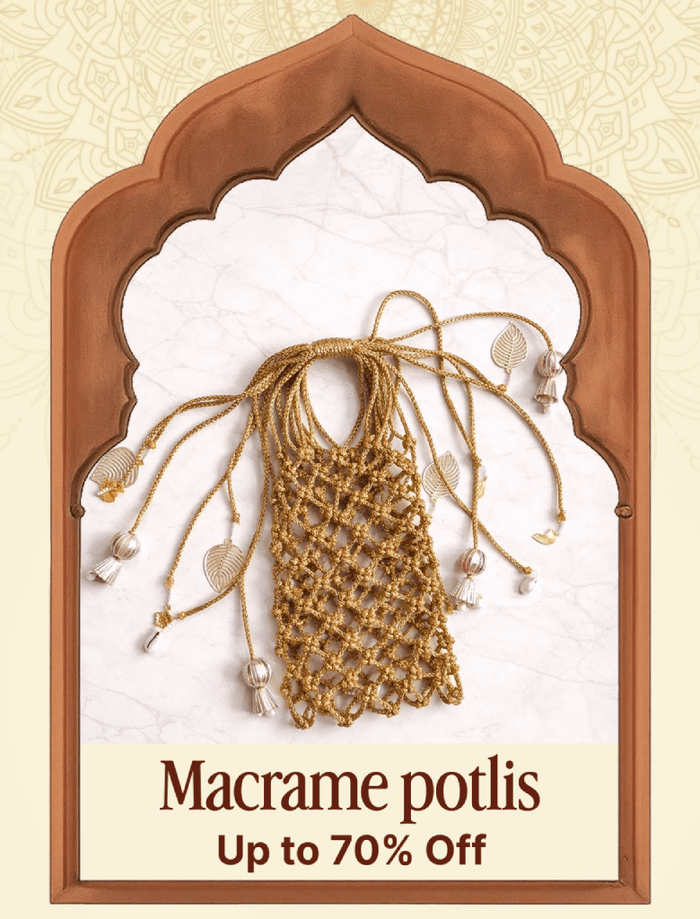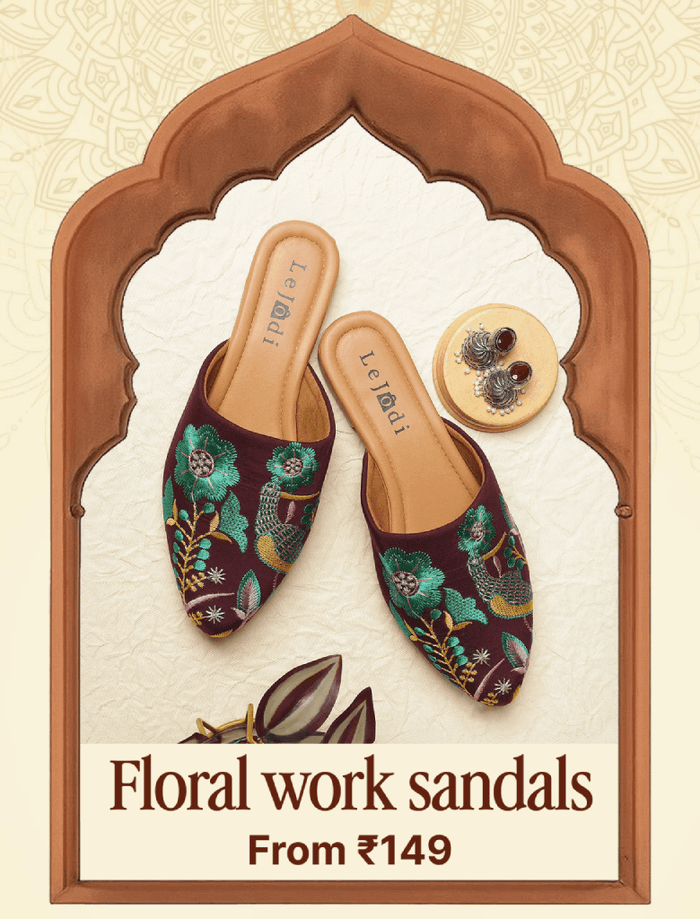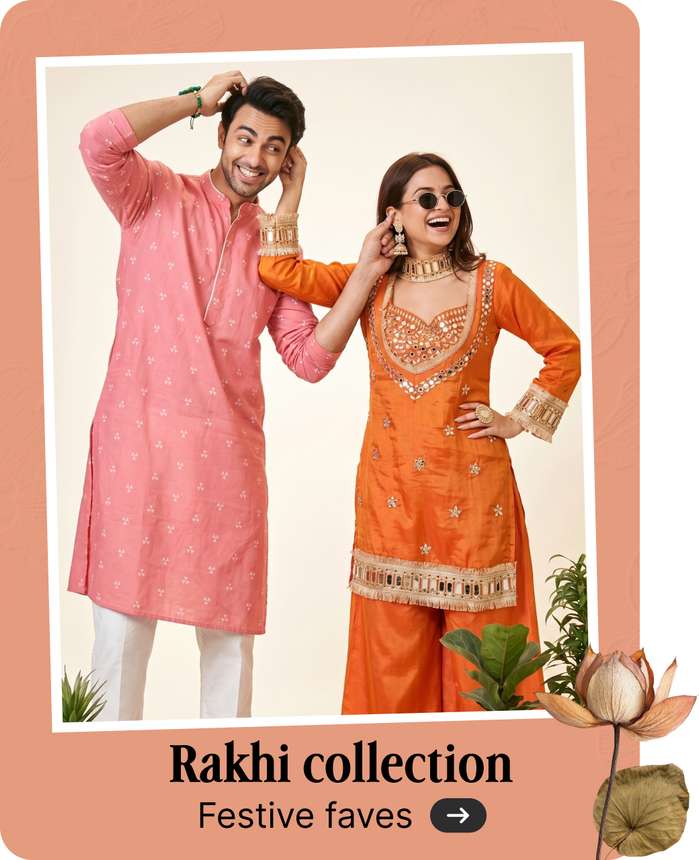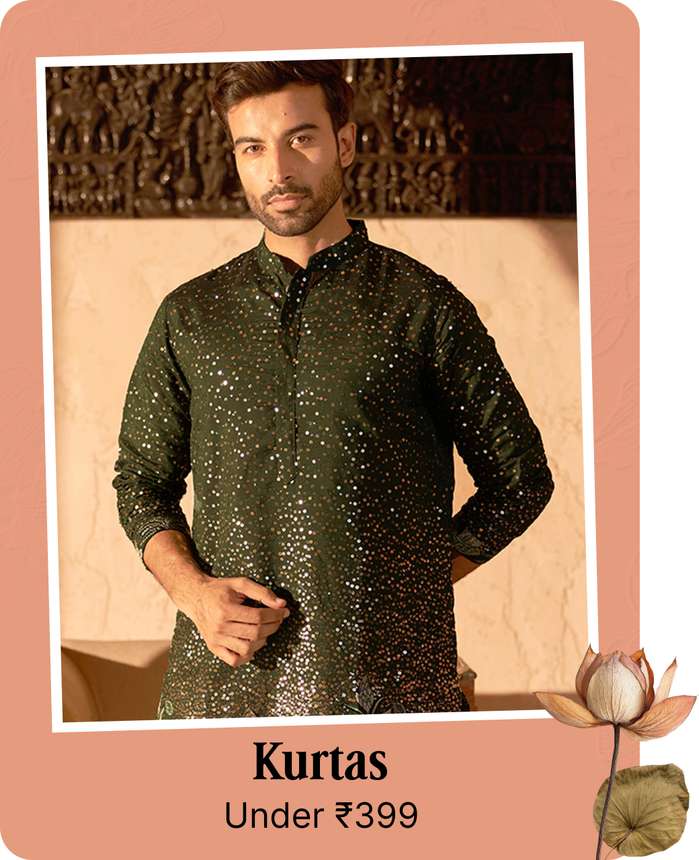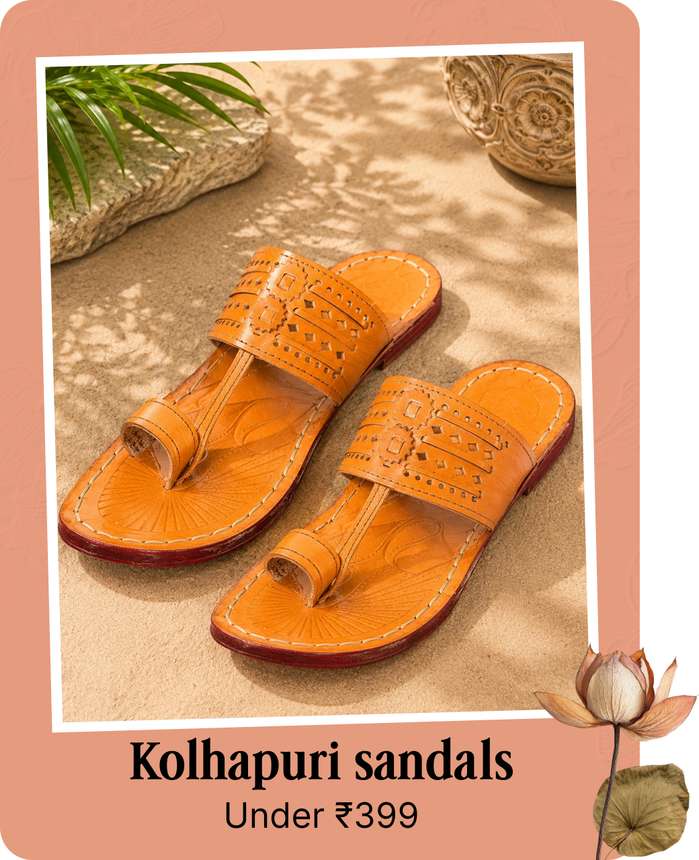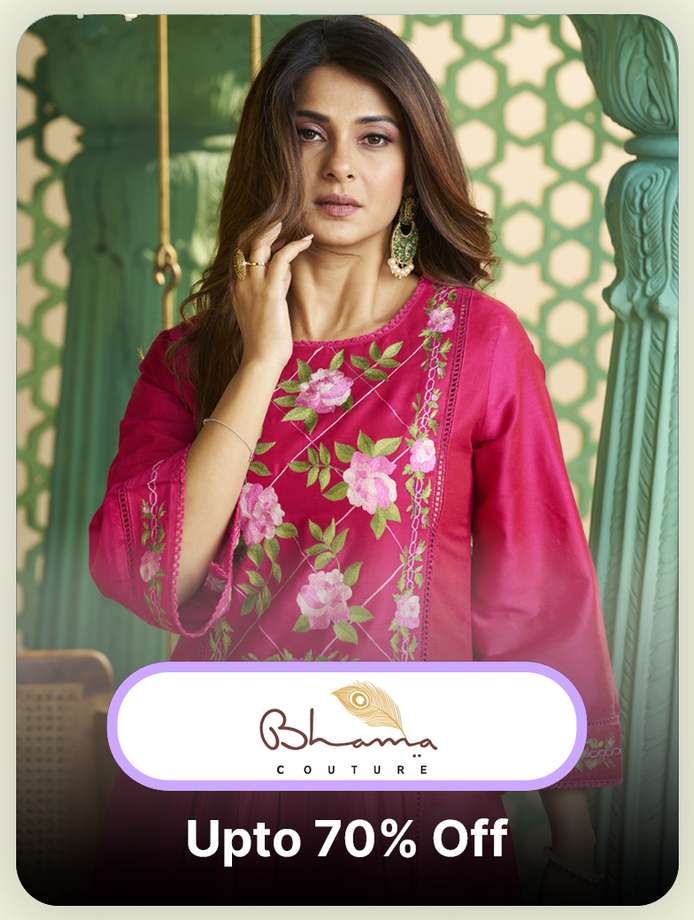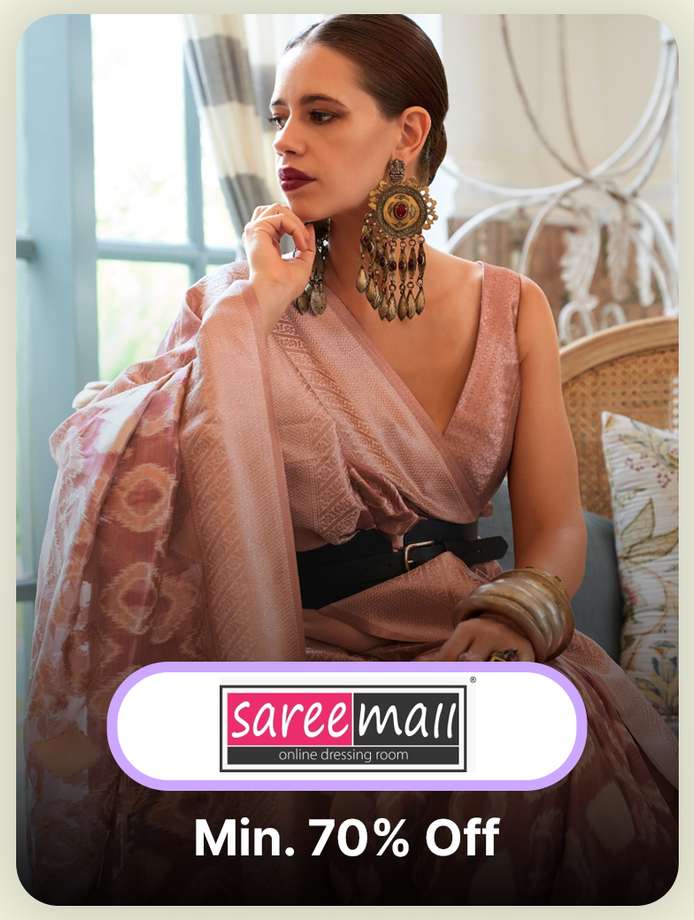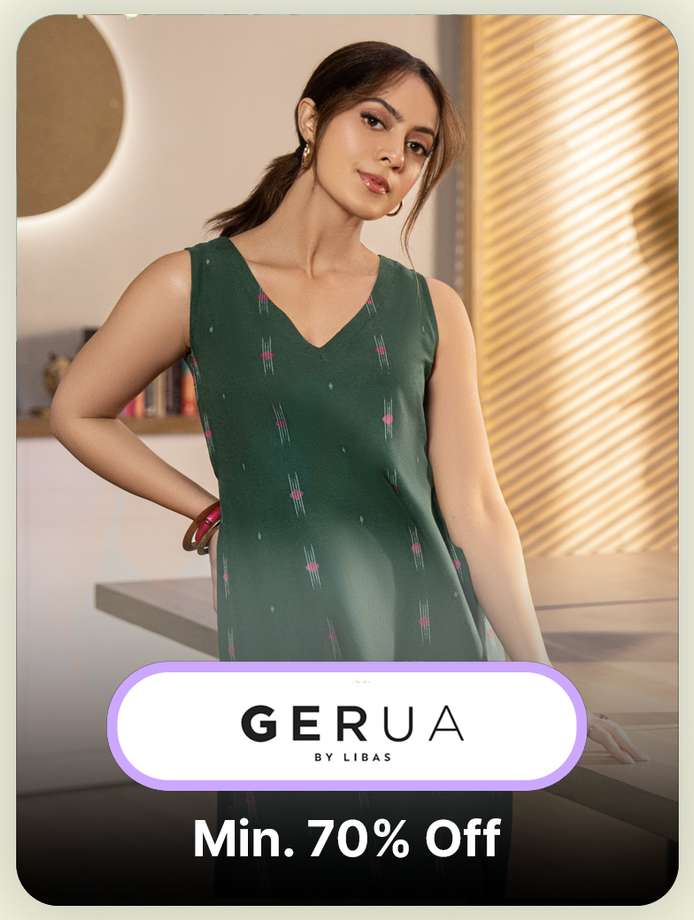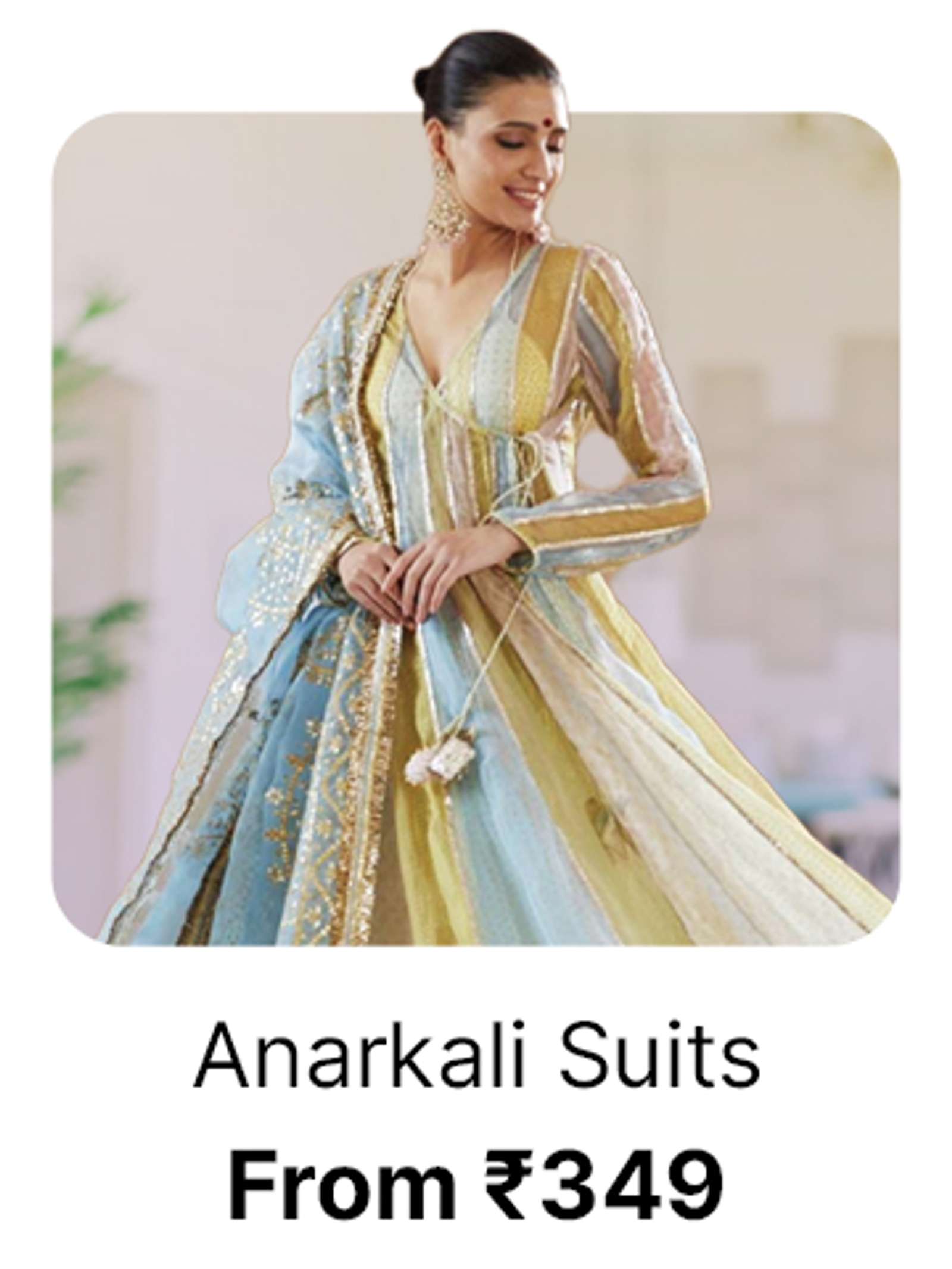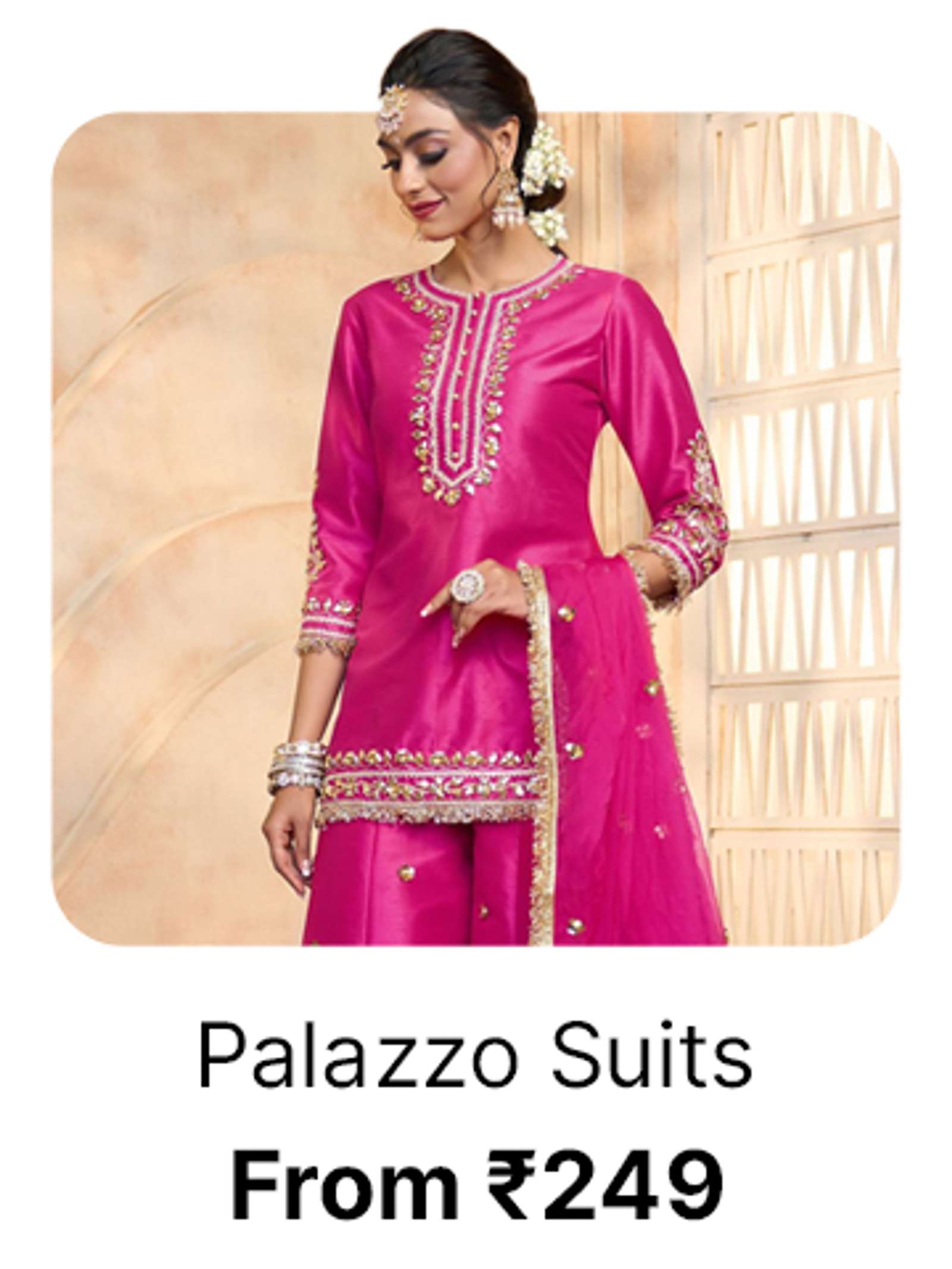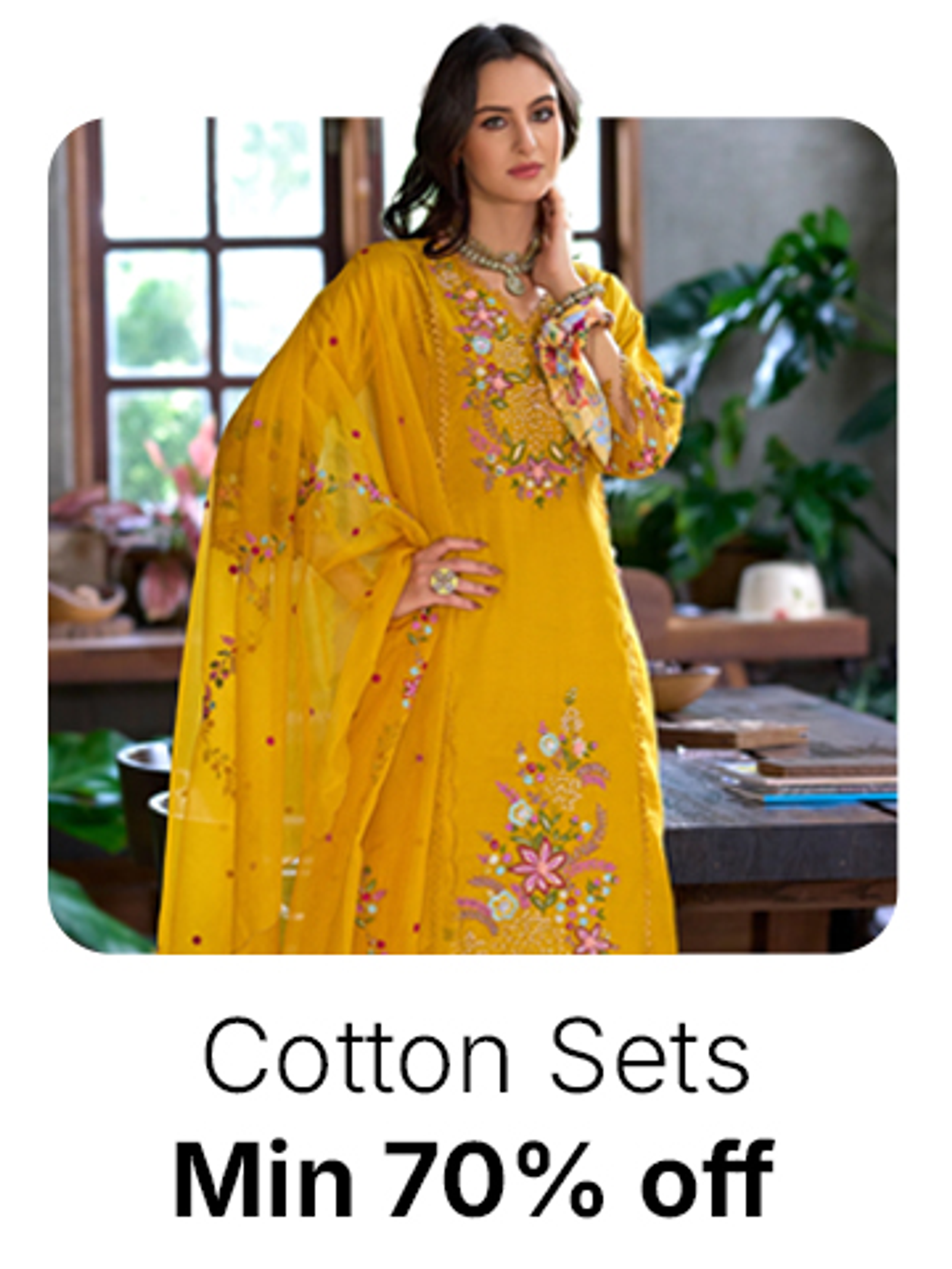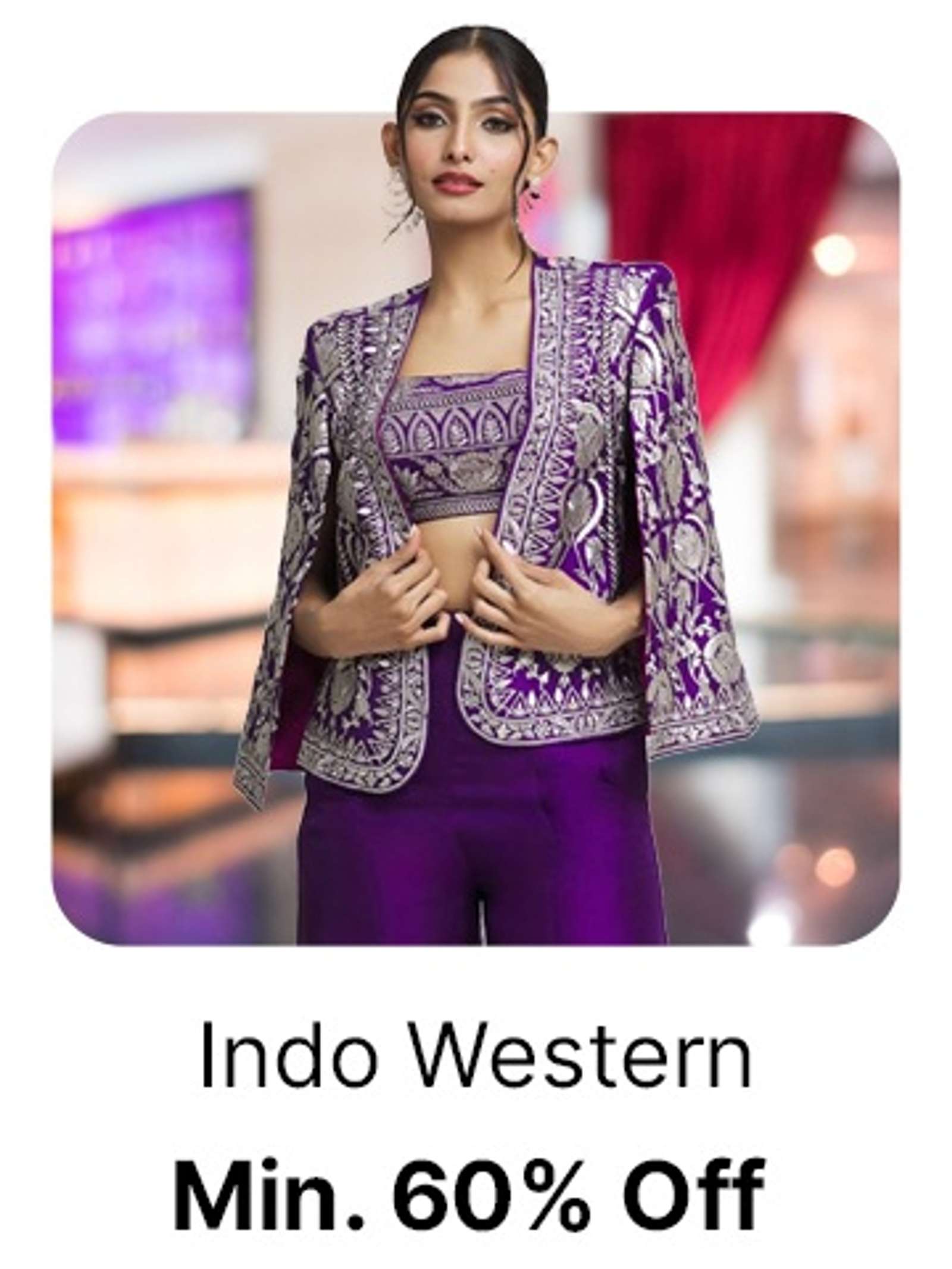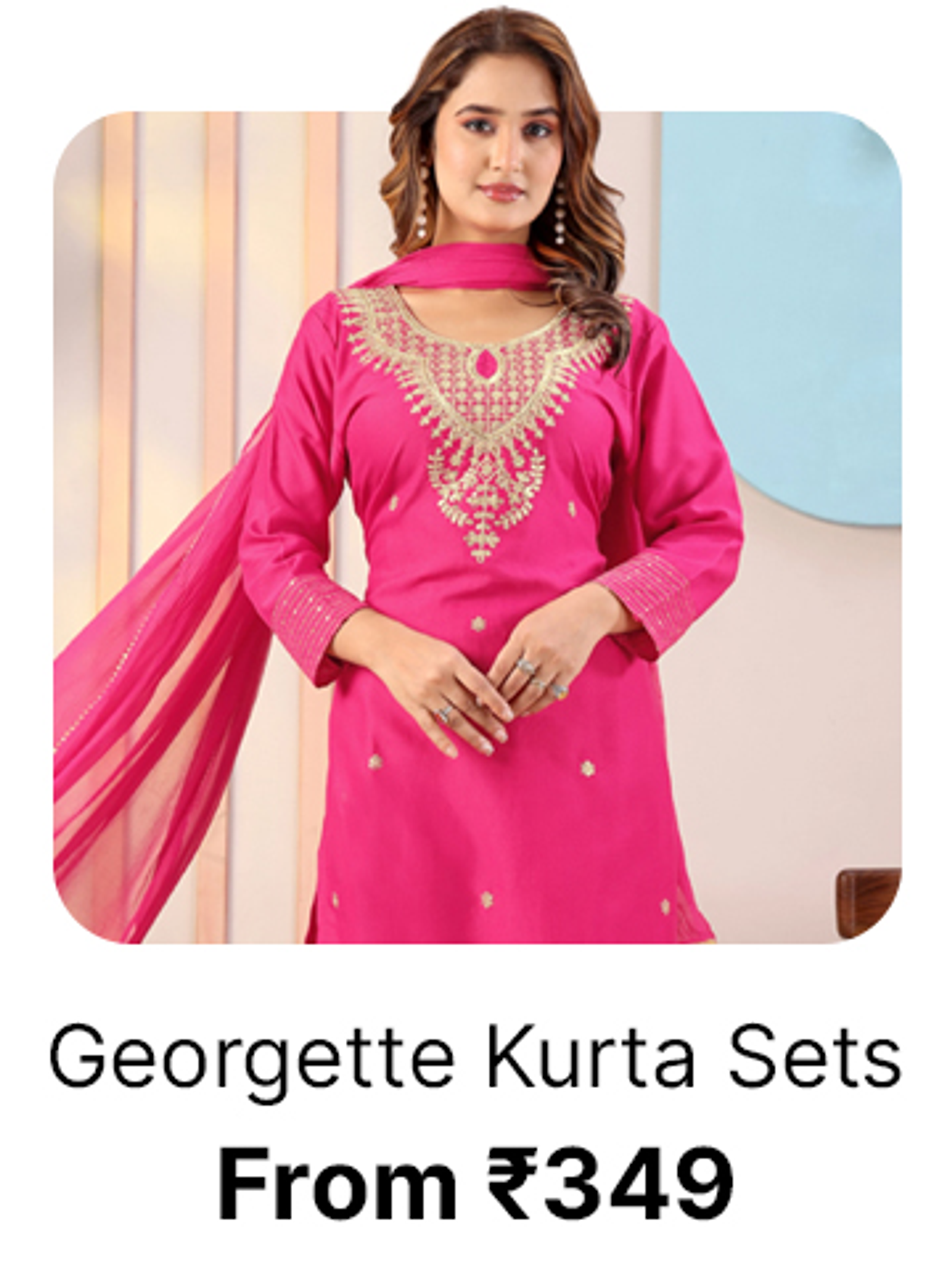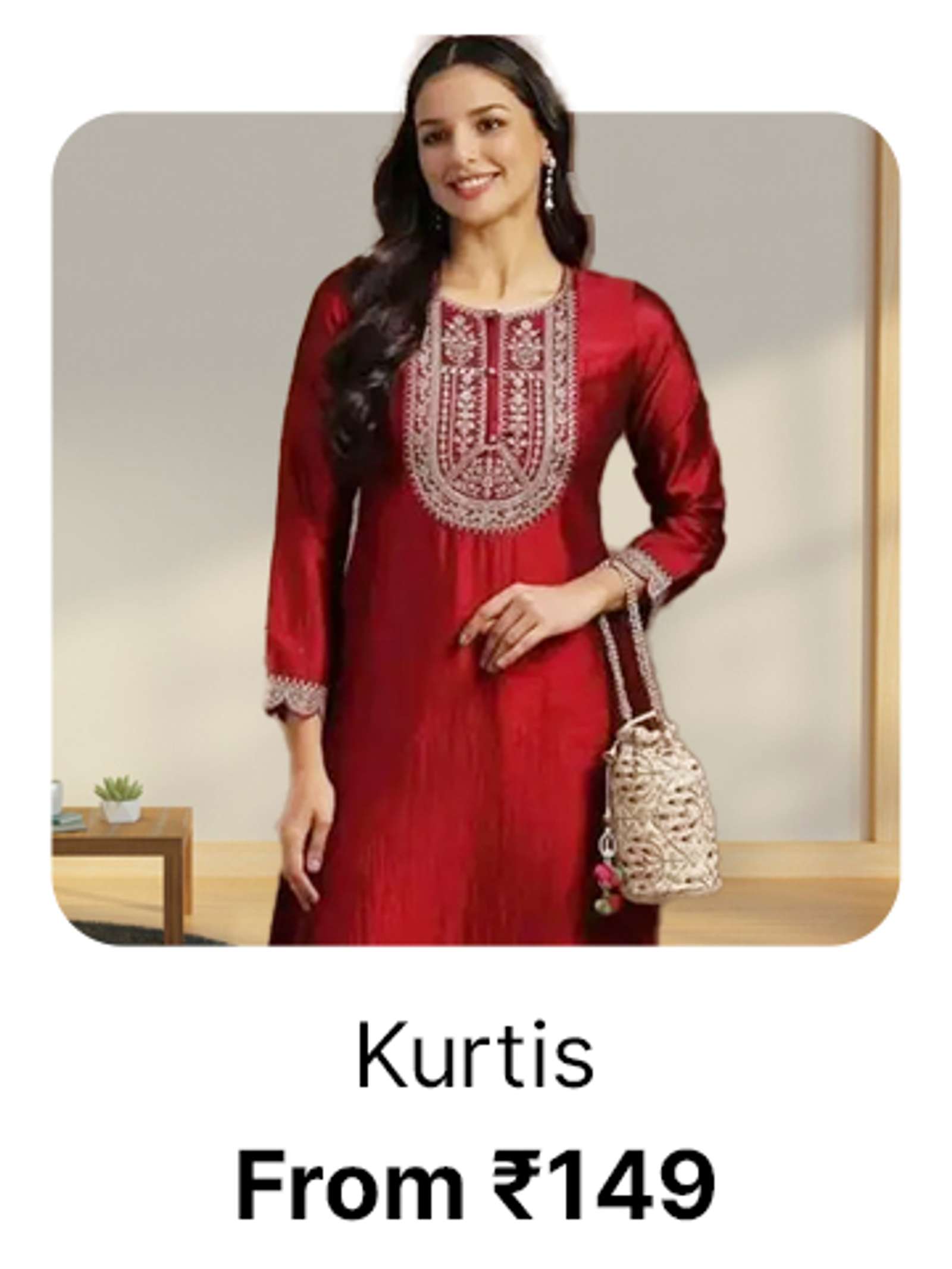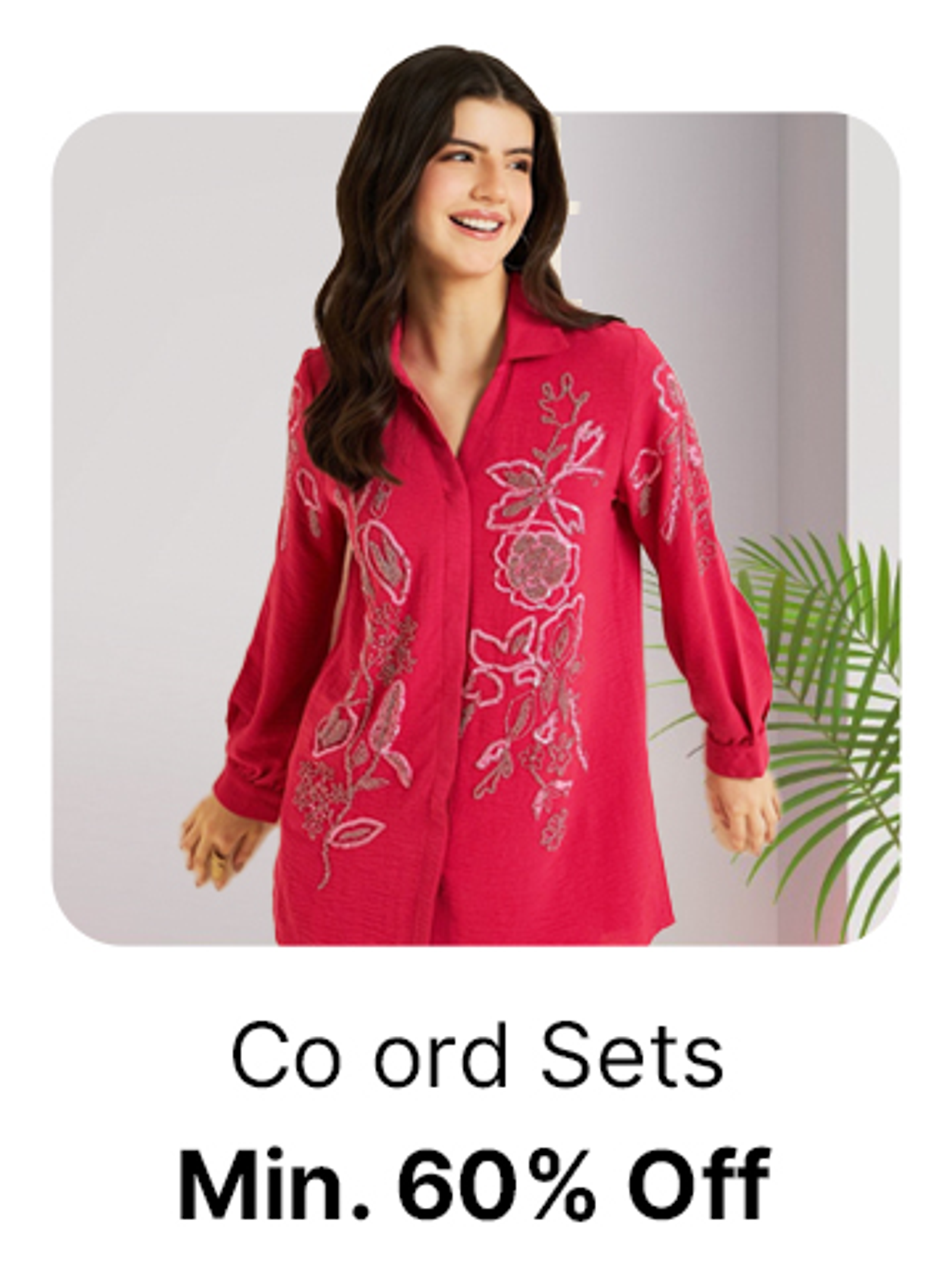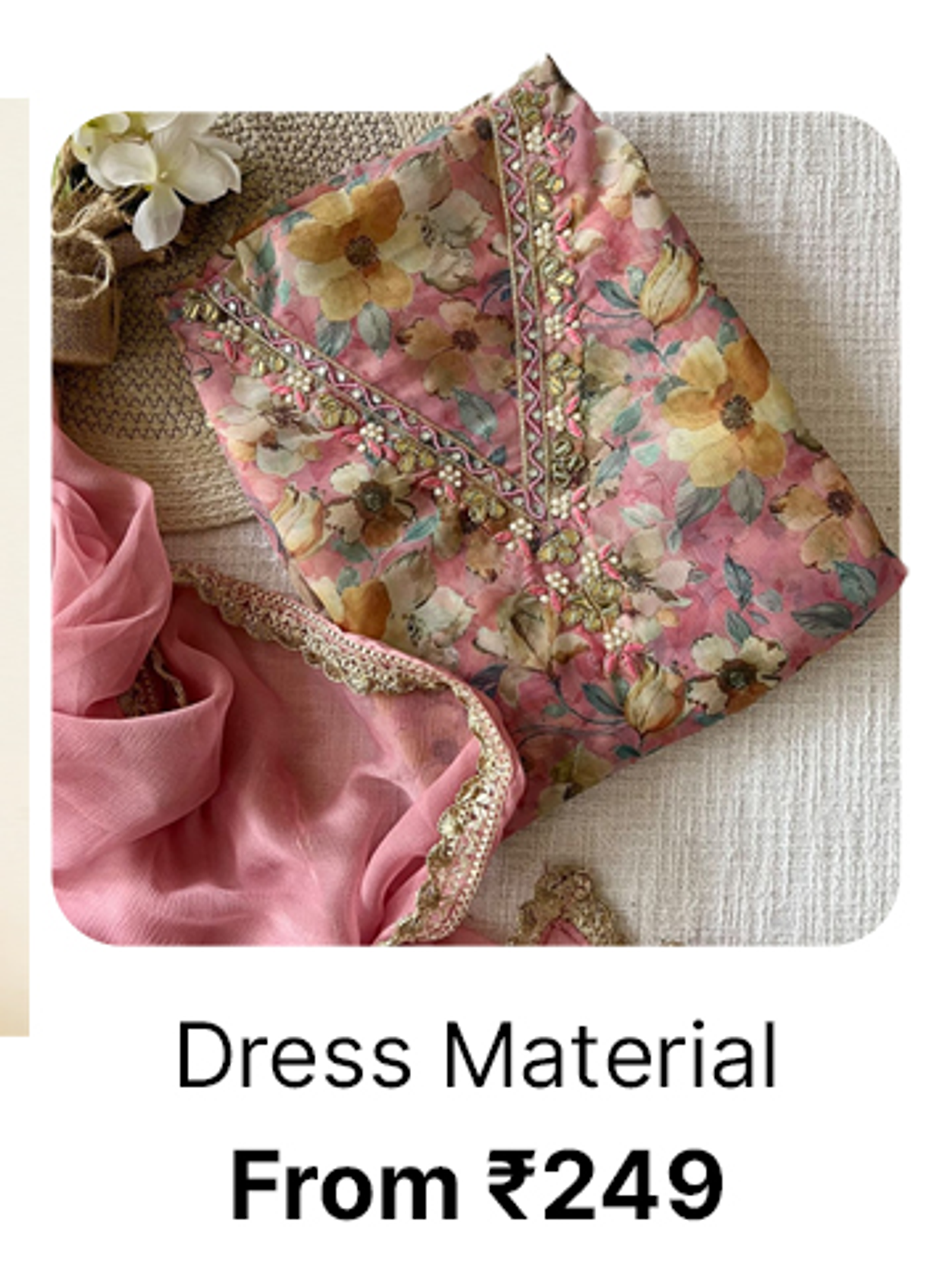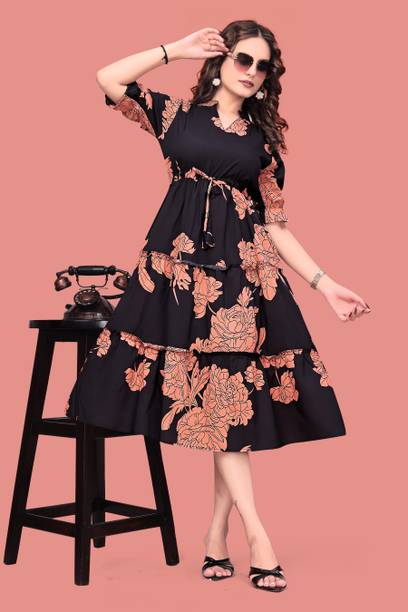
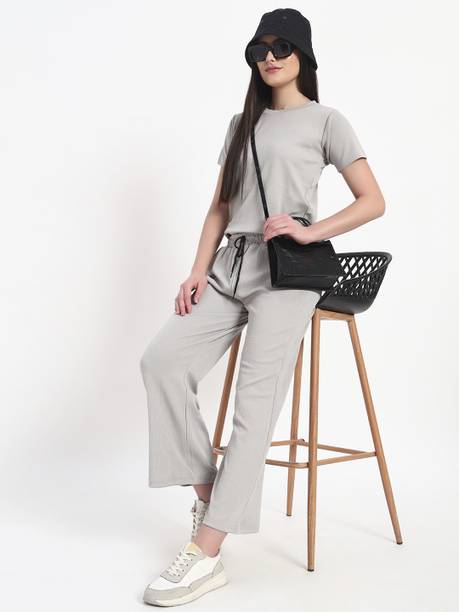
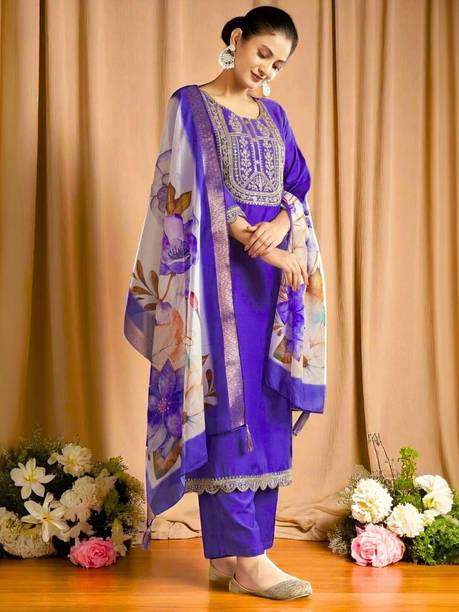
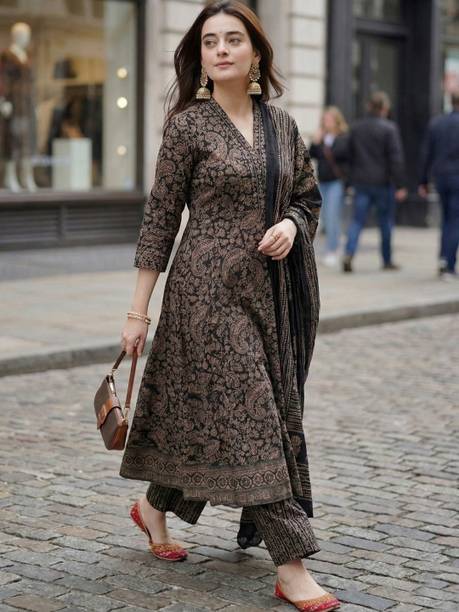

Style Your Wardrobe For Every Chapter.
Modern women's fashion is no longer about maintaining a separate wardrobe for every part of everyday life. The most useful pieces are the ones that can move naturally between casual plans, workdays, social occasions, celebrations and dressed-up evenings with thoughtful styling.
The strongest everyday wardrobe is not necessarily the one with the most pieces. It is the wardrobe that makes getting dressed easier, gives you useful combinations and reflects the life you actually live.
Fashion Should Work With Your Life
The modern wardrobe is built around versatility. A well-chosen top can work with relaxed denim during the weekend and tailored trousers during the week. A simple dress can become an everyday outfit with flats or a more occasion-ready look with statement jewellery and refined footwear.
Even traditional pieces can be styled with contemporary accessories for a fresher appearance. The objective is not to own everything, but to create a wardrobe where your clothing works together and supports the way you actually spend your time.
This guide explores how to create a practical and stylish women's wardrobe that covers everyday dressing through occasionwear, including silhouettes, colours, fabrics, layering, accessories, footwear, workwear, casual outfits, festive dressing, wedding guest looks, shopping decisions and wardrobe planning.
Why a Versatile Fashion Wardrobe Matters
A modern wardrobe should make getting dressed easier rather than creating more decisions. Instead of buying individual pieces for isolated occasions, focus on clothing that can be combined in several ways and adapted through accessories, footwear and layering.
Versatility does not mean every garment has to look identical or completely basic. It means each purchase has a clear purpose and can work with pieces you already own.
● Choose useful silhouettes: Look for shapes that suit your routine and can be styled in more than one way.
● Build around your lifestyle: Your wardrobe should reflect the places you actually go and the activities you regularly do.
● Coordinate colours: A connected colour palette makes mixing and matching much easier.
● Use accessories strategically: Jewellery, bags, scarves and footwear can change the character of a simple outfit.
● Prioritise comfort: Clothing that feels good and allows normal movement is more likely to become a genuine wardrobe favourite.
Style principle: The strongest wardrobes are not necessarily the largest. Thoughtful combinations, suitable proportions and repeatable pieces usually create more useful outfits than constant shopping.
Build Your Everyday Women's Fashion Wardrobe
Everyday clothing forms the foundation of a modern wardrobe because these are the pieces you are most likely to wear repeatedly. The goal is to create outfits that feel comfortable enough for normal routines while still looking considered.
Start with dependable categories such as comfortable tops, versatile trousers, jeans, skirts, casual dresses, coordinated ethnic separates and lightweight layers. These pieces do not need to be completely plain. Small prints, subtle textures and interesting details can add personality without reducing versatility.
Think about your normal week before shopping. If you spend much of your time commuting, walking or running errands, comfortable fabrics and practical footwear deserve greater priority. If your routine includes frequent social plans, select pieces that can be elevated quickly.
Explore Selected Everyday Fashion for versatile pieces that can become part of a repeatable wardrobe.
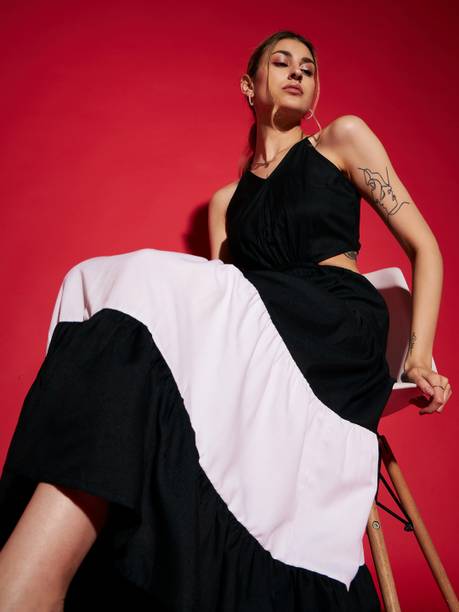
Modern Casual Dressing Without Looking Overdone
Casual dressing works best when comfort and proportion are considered together. A relaxed outfit does not need to look careless. Clean footwear, a well-fitting top, coordinated colours and one useful accessory can immediately make a casual combination look more intentional.
Straight-leg jeans, wide-leg trousers, relaxed shirts, simple tops, casual kurtis and easy dresses can all form part of a contemporary casual wardrobe.
If the lower half is loose, consider a more defined upper silhouette. If the top is oversized, a straighter or more streamlined bottom can help maintain balance.
Accessories provide an easy way to introduce personality. A crossbody bag, everyday watch, scarf, small earrings or contemporary footwear can complete a simple outfit without making it feel heavily styled.
Browse Modern Casual Styles for additional everyday outfit ideas.
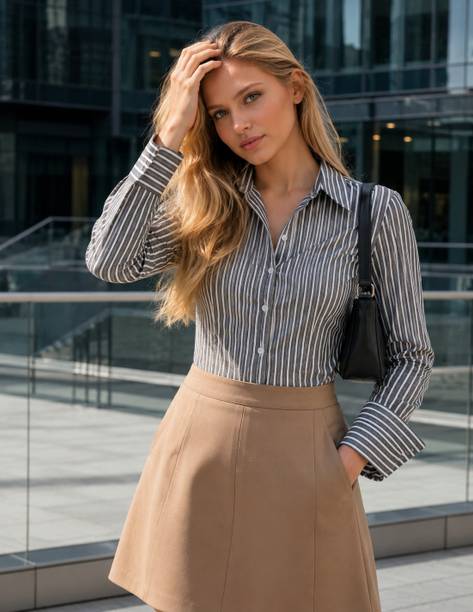
Create a Polished Modern Workwear Wardrobe
Workwear should reflect both professional expectations and the practical demands of your working day. A modern office wardrobe can include tailored trousers, straight skirts, polished dresses, structured shirts, refined tops, Straight Kurtis and coordinated ethnic separates.
Neutral colours are useful because they can be combined with many pieces. However, professional clothing does not need to be limited to black, white and grey. Navy, beige, olive, burgundy, muted blue, soft pink and other controlled colours can add variety.
For formal environments, prioritise clean silhouettes, modest proportions and polished footwear. Business-casual workplaces may allow more colour, prints and relaxed shapes. Creative environments may provide greater freedom to experiment with styling.
● Work tops: Choose comfortable shapes that layer easily.
● Trousers: Straight and tailored shapes are particularly versatile.
● Dresses: Select practical lengths and silhouettes suitable for your environment.
● Ethnic wear: Kurtis and coordinated sets can provide polished alternatives to western workwear.
● Accessories: Keep them intentional and appropriate to your workplace.
Explore Modern Workwear Options when building a practical professional wardrobe.
Master Smart-Casual Women's Style
Smart-casual dressing sits between relaxed everyday clothing and formal dressing. It is useful for dinners, informal meetings, weekend gatherings, travel plans and occasions where you want to look polished without appearing overdressed.
One of the easiest ways to create a smart-casual outfit is to combine one structured piece with one relaxed piece. For example, tailored trousers can be paired with a softer top, while a casual denim piece can be elevated with a structured jacket and refined footwear.
The same principle works with ethnic clothing. A simple Kurti can become more contemporary when paired with tailored trousers, a structured bag and minimal jewellery.
Easy formula: Choose one polished element, one comfortable element and one finishing accessory. This creates structure without making the outfit feel overly formal.
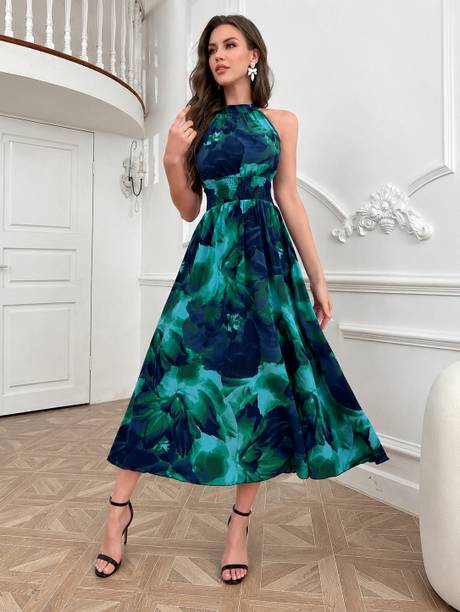
Choose Dresses That Can Move Between Occasions
A versatile dress can be one of the most efficient pieces in a women's wardrobe. The right silhouette can work for daytime plans, office environments, dinners and social occasions simply by changing the supporting pieces.
Shirt dresses, wrap-inspired silhouettes, midi dresses, straight dresses and understated occasion dresses can each serve different purposes.
For maximum versatility, consider the fabric, neckline, sleeve length and overall level of decoration. A highly embellished dress may have a clear occasionwear role, while a simpler design can often be adapted more frequently.
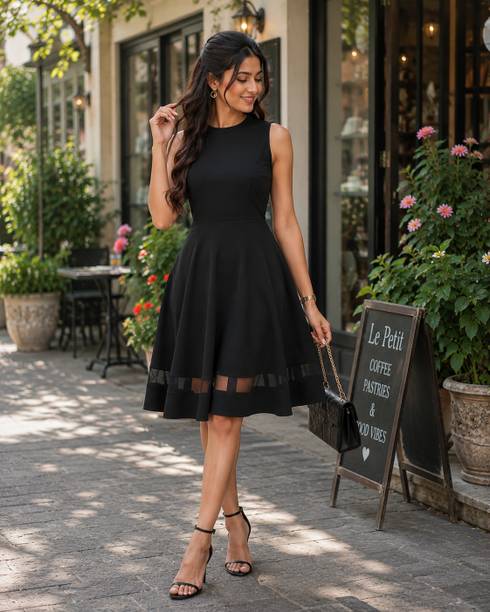
During the day, pair a versatile dress with flats and a practical handbag. For evening plans, change to refined footwear, add jewellery and switch to a smaller bag.
Discover Versatile Dress Styles for pieces that can be adapted across different settings.
Find the Right Silhouette for Your Personal Style
Silhouette influences how an outfit feels before accessories or colour are even considered. Instead of choosing a shape only because it is currently popular, consider how it fits into your lifestyle and how comfortable you feel wearing it.
● Straight silhouettes: Create a clean, streamlined appearance and work well with tailored bottoms.
● A-line shapes: Offer gentle volume and can create a balanced everyday silhouette.
● Relaxed silhouettes: Prioritise ease and can work particularly well for casual styling.
● Structured silhouettes: Add definition and can be useful for workwear and polished occasions.
● Flowing silhouettes: Create movement and can be especially effective for festive and occasion dressing.
Proportion matters more than following a rigid rule. The best silhouette is one that works with your preferred level of comfort and creates an outfit you genuinely enjoy wearing.
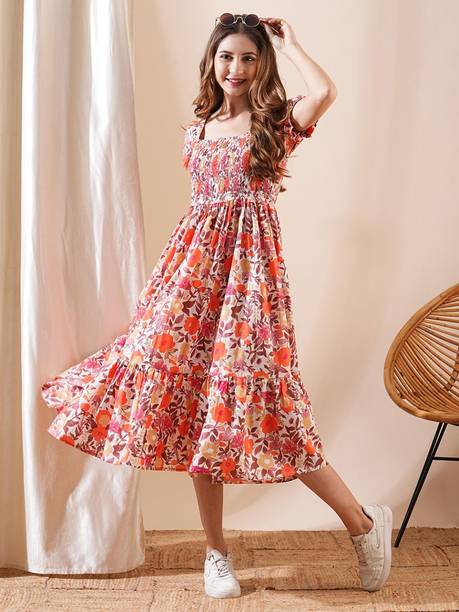
Build a Modern Women's Wardrobe Around Colour
A coordinated colour palette makes a wardrobe easier to use. This does not mean every garment needs to be neutral. Instead, choose a few dependable base colours and then add shades that complement them.
Cream, beige, black, navy, brown, charcoal and muted grey can provide useful foundations. Depending on your personal style, these can be combined with blue, green, pink, burgundy, rust, mustard or other accent shades.
● Base colours: Use versatile shades for trousers, bags, footwear and layering pieces.
● Accent colours: Add personality through tops, dresses, scarves or accessories.
● Tonal dressing: Combine related shades for a streamlined appearance.
● Contrast: Use one stronger colour against quieter pieces for visual interest.
● Prints: Use one of the colours from a print elsewhere in the outfit for coordination.
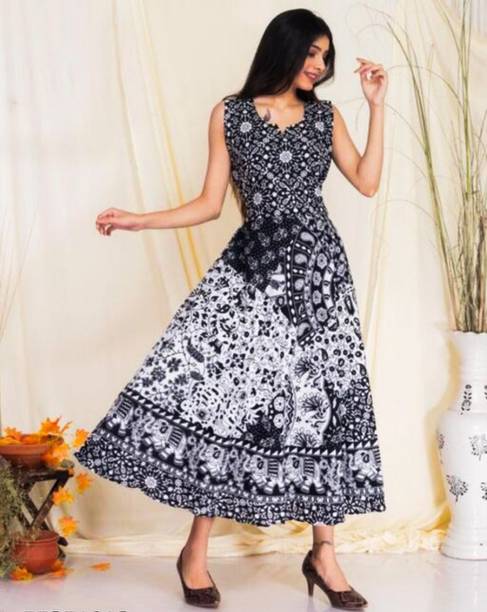
Choose Fabrics According to Comfort and Occasion
Fabric affects how clothing feels, falls, moves and performs during the day. The same silhouette can look completely different depending on whether it is made from a crisp, flowing, textured or lightweight material.
Cotton and cotton blends can be useful for everyday wear. Rayon, modal and similar fabrics may provide softer drape in some garments. Crepe and other flowing materials can create a more polished appearance, while silk and silk blends can provide a naturally dressier impression.
Fabric names alone do not tell the complete story. Fibre composition, weave, finishing and garment construction can all influence the final result.
● Everyday: Prioritise comfort, breathability and easy care.
● Workwear: Consider wrinkle behaviour, structure and maintenance.
● Festive: Textured or embellished fabrics can add visual richness.
● Occasionwear: Choose fabric according to the formality and season of the event.
Always check the specific product description and fibre composition before purchasing.
Modern Tops, Kurtis and Everyday Separates
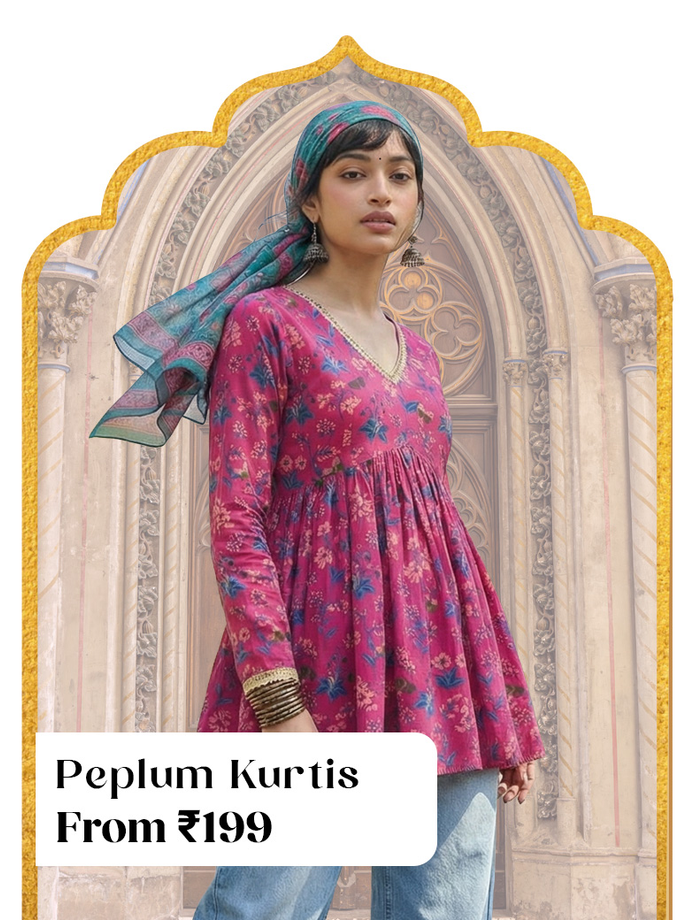
Separates make a wardrobe more flexible because individual pieces can be combined in many different ways. A simple top can work with jeans, trousers or a skirt, while a Kurti can be styled with cigarette pants, straight trousers, palazzos or other suitable bottoms.
When choosing tops or Kurtis, consider the neckline, sleeve length, garment length and overall proportion. These details determine how easily the piece can be combined with your existing wardrobe.
Printed pieces can add personality, while solid pieces often provide greater flexibility. Ideally, a wardrobe should contain a balance of both.
Browse Selected Tops and Kurtis for additional wardrobe-building options.
Choose Bottomwear That Works Across Multiple Outfits
Bottomwear is often overlooked when building a wardrobe, yet versatile trousers, jeans and skirts can dramatically increase the number of outfits you can create.
● Straight trousers: Useful for workwear and polished everyday outfits.
● Cigarette pants: Work particularly well with shorter and medium-length Kurtis.
● Wide-leg trousers: Add contemporary volume and can balance fitted or shorter tops.
● Jeans: A dependable foundation for casual styling.
● Skirts: Can move between casual, work and occasion styling depending on the design.
Before buying another top, consider whether your existing bottomwear already provides enough combinations. Sometimes adding one versatile pair of trousers creates more value than purchasing several similar tops.
Explore Versatile Bottomwear to build more combinations from your existing wardrobe.
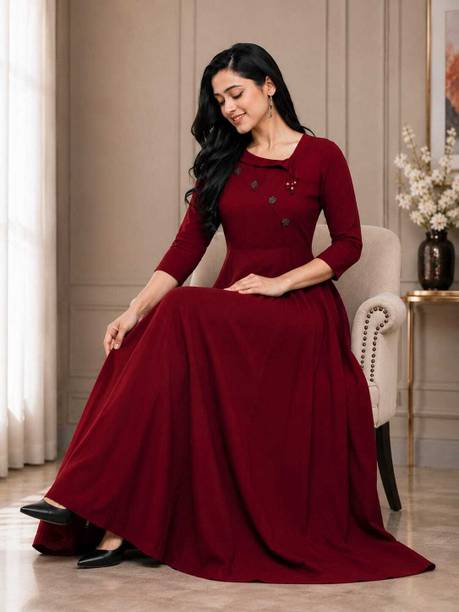
Modern Festive Dressing With a Contemporary Touch
Festive dressing offers more freedom to experiment with colour, texture, jewellery and traditional details. However, a modern festive outfit does not need to rely on heavy decoration.
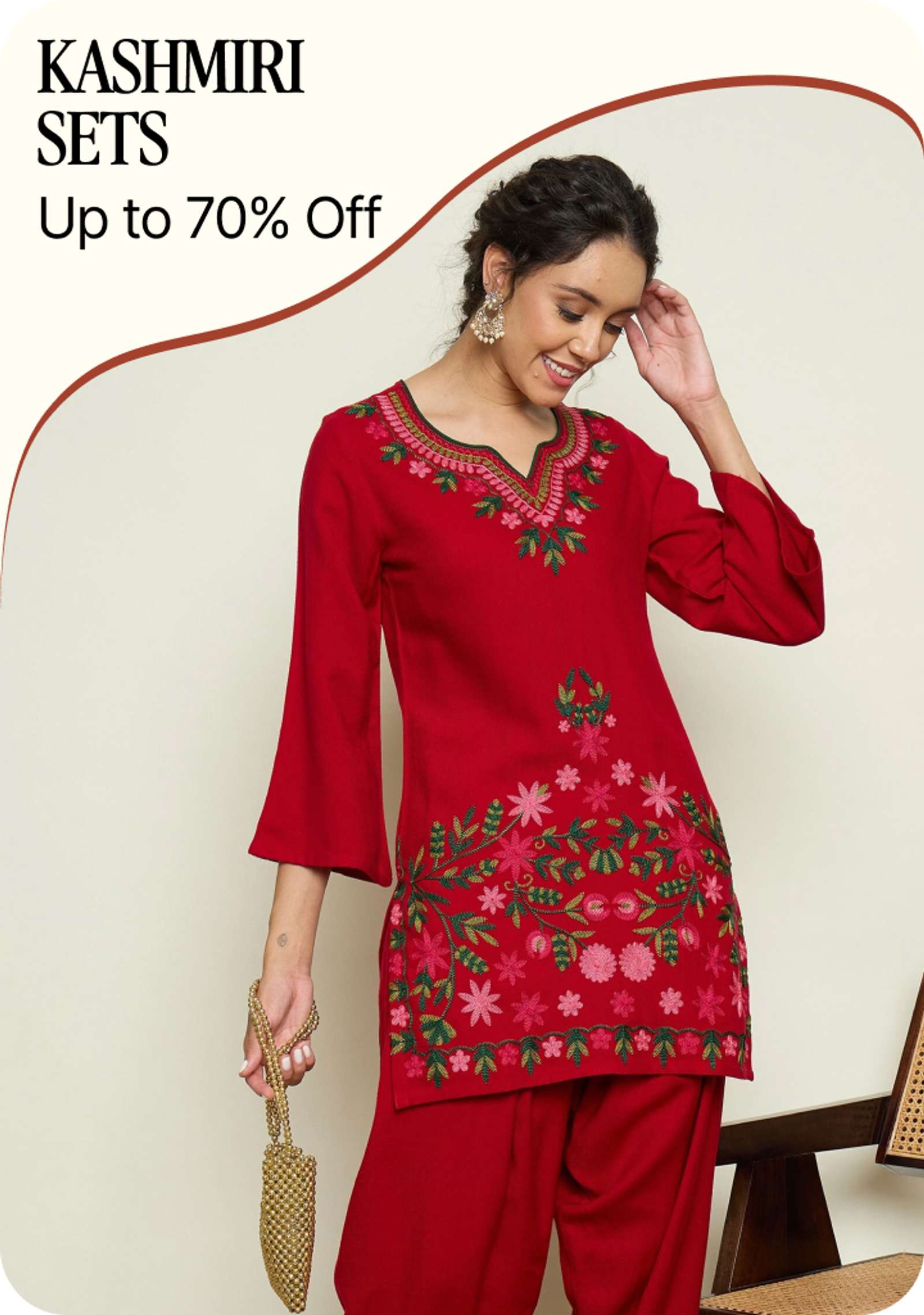
A refined Kurta set, elegant dress, coordinated ethnic separates, embroidered top or statement skirt can create a festive look when paired with suitable accessories.
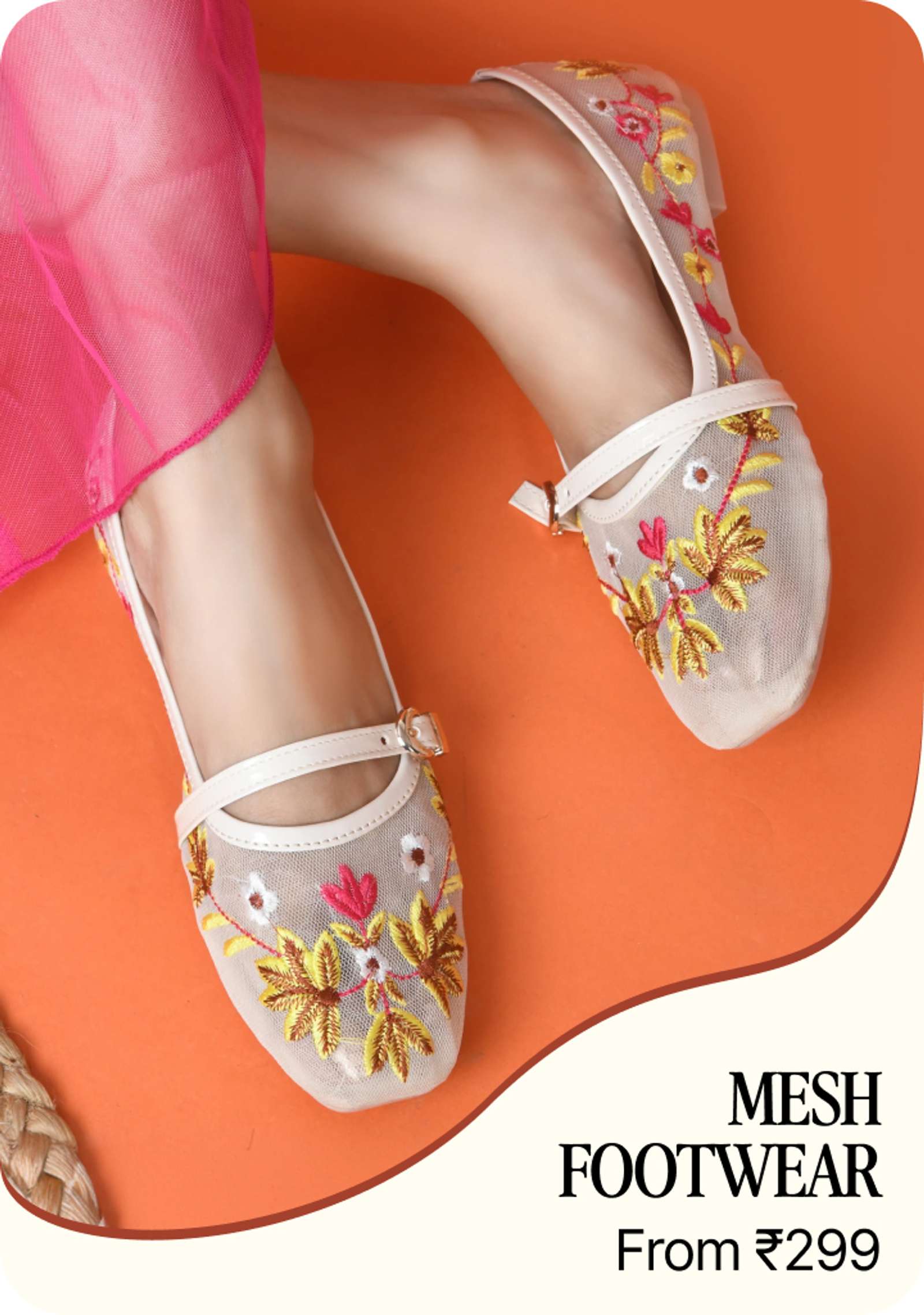
The easiest approach is to decide where you want the visual focus. If the outfit is heavily detailed, keep the jewellery and footwear controlled. If the clothing is relatively simple, statement earrings, a textured bag or distinctive footwear can provide the focal point.
Colour also plays an important role. Jewel tones, rich neutrals, metallic accents and softer festive shades can all work depending on the event and time of day.
Explore Modern Festive Styles for celebration-ready wardrobe inspiration.
Build an Elegant Wedding Guest Wardrobe
Wedding guest dressing sits between personal expression and event appropriateness. The outfit should feel special enough for the celebration while remaining comfortable enough for several hours of movement, sitting, dining and socialising.
Depending on the event, options can include elegant dresses, embellished Kurti sets, sarees, lehengas, contemporary ethnic separates and refined fusion outfits.
Consider the invitation, venue, time of day and expected level of formality before choosing an outfit. Daytime celebrations may suit lighter colours and fabrics, while evening events can accommodate deeper shades, richer textures and more noticeable accessories.
● Check the event's dress expectations before choosing the outfit.
● Consider the venue and expected weather.
● Choose footwear that allows comfortable movement.
● Coordinate jewellery with the outfit rather than adding every statement piece at once.
● Keep a practical bag for essential personal items.
Discover Occasionwear Styles for weddings, celebrations and special events.
From Dinner Plans to Special Occasionwear
Occasionwear should feel different from everyday clothing, but it does not necessarily need to be extremely elaborate. The strongest approach is to increase one or two elements of the outfit: fabric quality, silhouette, jewellery, footwear or colour intensity.
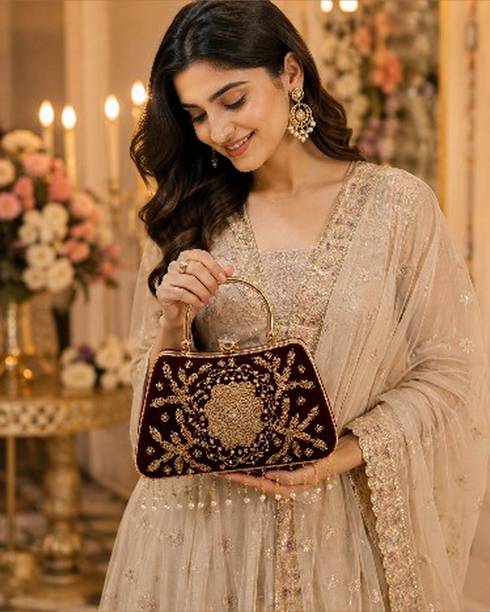
A simple dress can become evening-ready through heels and statement earrings. A plain ethnic outfit can become more celebratory with a detailed dupatta and refined jewellery. A tailored outfit can become suitable for dinner with a change of footwear and a smaller handbag.
This approach also reduces unnecessary wardrobe purchases because the same core pieces can serve several occasions when styled differently.
Use Accessories to Transform Simple Outfits
Accessories are one of the easiest ways to change an outfit without changing the main garment. They can introduce colour, texture, contrast and personality.
● Earrings: Useful for adding a polished finishing detail.
● Necklaces: Choose according to the neckline and existing garment detail.
● Watches: Practical for everyday and professional outfits.
● Handbags: Structured designs can add polish, while crossbody bags are useful for casual plans.
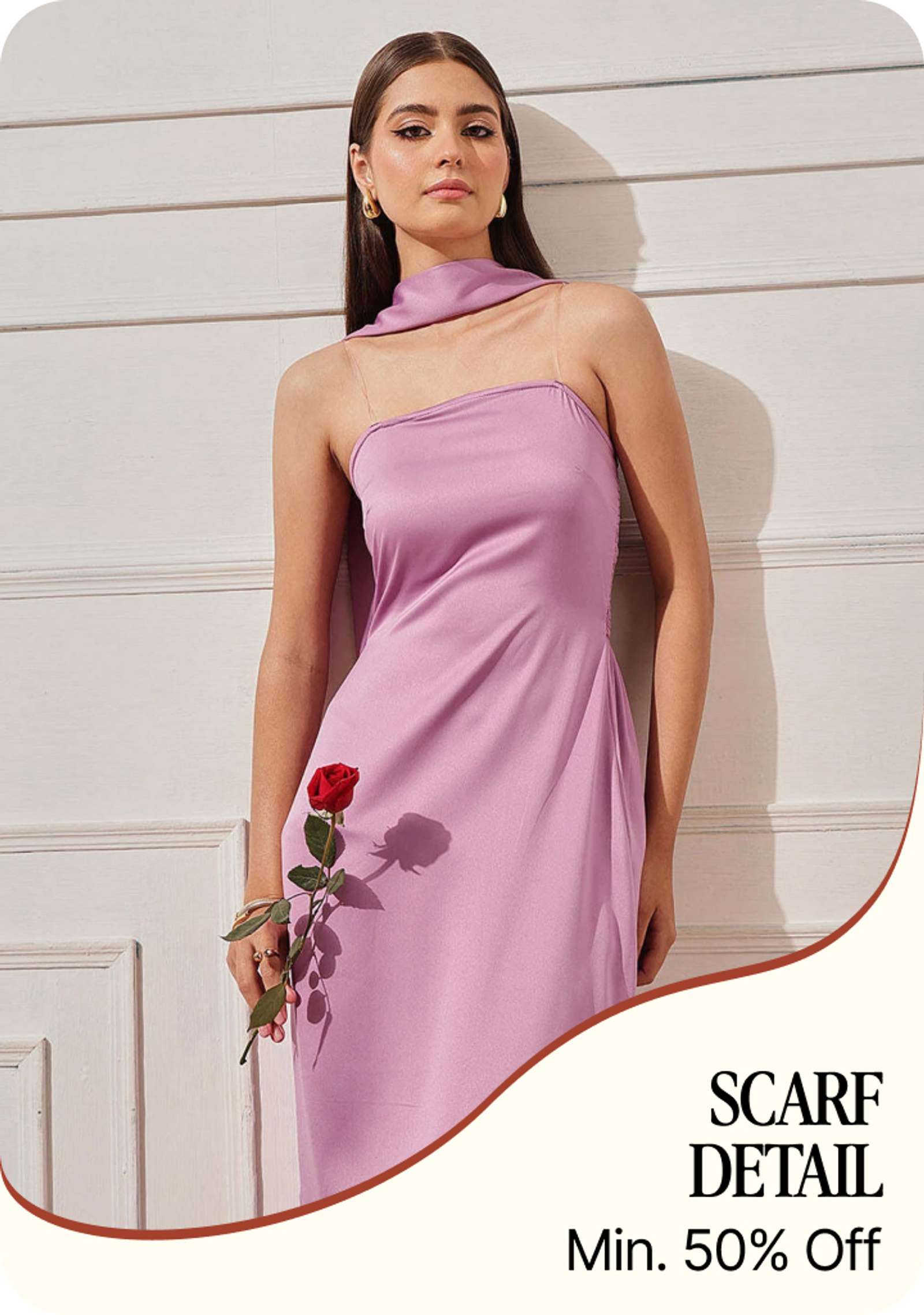
● Scarves and dupattas: Can introduce colour and texture.
● Belts: Can define the waist when the garment construction supports the look.
The key is editing. If the clothing already has strong visual detail, accessories should support rather than compete with it.
Explore Everyday and Occasion Accessories to complete different wardrobe combinations.
Choose Footwear for Comfort and Style
Footwear can completely change the impression of an outfit. It should therefore be selected according to both the occasion and the practical demands of the day.
● Flats: Useful for everyday dressing and long days.
● Loafers: A practical choice for polished workwear.
● Sneakers: Suitable for selected casual and contemporary outfits.
● Block heels: Can provide height while offering more stability than very narrow heels.
● Dressy footwear: Useful for dinners, celebrations and occasionwear.
Consider the length of trousers, dresses and ethnic garments before selecting footwear. The shoe should support the proportions of the outfit rather than create unnecessary visual interruption.
Layering for a More Adaptable Wardrobe
Layering extends the usefulness of clothing across seasons and different settings. Lightweight cardigans, structured jackets, overshirts, scarves, dupattas and longline layers can all change the appearance of an existing outfit.
Proportion should guide your choices. A long dress may work better with a shorter structured jacket, while a shorter top may pair naturally with a longer outer layer.
Neutral layering pieces generally offer the most flexibility. A cream, beige, navy, black or brown layer can work with many colours.
For occasionwear, layering can also provide a practical way to add texture without purchasing another complete outfit.
Turn an Everyday Outfit Into an Evening Look
A versatile wardrobe should make day-to-night transitions relatively simple. You do not always need to change the complete outfit before dinner or an evening gathering.
● Replace everyday flats with refined footwear.
● Change a practical handbag to a smaller structured or evening bag.
● Add statement earrings or a more distinctive piece of jewellery.
● Add a lipstick or beauty detail that suits your personal style.
● Introduce a lightweight jacket, scarf or other finishing layer.
A simple daytime dress, tailored trouser combination or elegant Kurti can therefore become a completely different evening outfit with relatively few changes.

Adapt Women's Fashion Across the Seasons
Seasonal dressing should focus on comfort first and appearance second. A wardrobe becomes more useful when garments can be layered or restyled instead of being limited to a single season.
Summer Styling
Consider breathable fabrics, lighter colours and comfortable silhouettes. Avoid unnecessary layering when the weather is hot.
Monsoon Styling
Practical garment lengths and footwear can make commuting easier. Choose fabrics and colours according to your local conditions and maintenance preferences.
Winter Styling
Layer dresses, Kurtis and tops with jackets, cardigans and other warm outerwear. Deeper colours and heavier textures can create seasonal variation.
Transition Weather
Lightweight layers are particularly useful when temperatures change throughout the day.
Create a Modern Women's Capsule Wardrobe
A capsule wardrobe does not mean owning only a few garments. It means choosing a manageable collection where most pieces can be combined with several others.
Start with dependable everyday pieces, then add workwear, occasionwear and accessories according to your lifestyle. Avoid buying several garments that perform exactly the same function.
● Keep several versatile tops or Kurtis.
● Include two or three dependable trousers or jeans.
● Add at least one versatile dress.
● Keep a polished workwear option available.
● Include one or two occasion-ready outfits.
● Choose footwear that covers everyday, work and dressier needs.
● Maintain a small collection of bags and accessories that coordinate with the wardrobe.
The objective is to make dressing easier. A successful capsule wardrobe should reduce decision fatigue while still leaving enough room for personality.
Browse Versatile Wardrobe Essentials when expanding your capsule collection.
What to Check Before Buying Women's Fashion Online
Attractive photographs can make almost any garment look appealing, but a thoughtful purchase requires more information. Before ordering, review the complete product details and consider how the item will work with your existing wardrobe.
● Measurements: Compare the garment's actual measurements with clothing you already own.
● Fabric: Check the listed fibre composition and care requirements.
● Fit: Determine whether the garment is fitted, regular, relaxed or oversized.
● Length: Consider how the garment will work with your preferred footwear.
● Colour: Remember that photographs and screens can affect colour appearance.
● Construction: Look at necklines, sleeves, closures, lining and visible finishing details.
● Care: Check washing, drying, ironing and storage instructions.
● Included pieces: Confirm whether the listing contains one garment or a complete set.
● Returns: Read the current return and exchange conditions before ordering.
● Price: Compare the garment's value with its expected frequency of use.
● Availability: Sizes, prices, colours and stock can change.
View Selected Fashion Finds after checking the product-specific information carefully.
Shop More Intentionally and Buy Fewer Better-Used Pieces
Good wardrobe planning starts before the shopping page opens. Instead of asking whether a garment looks attractive on its own, ask whether it solves a genuine wardrobe need.
● What outfits can you create with this item?
● Do you already own something similar?
● Can you wear it in more than one setting?
● Does the colour work with your existing wardrobe?
● Is the fabric practical for your lifestyle?
● Will you realistically wear it several times?
A garment that works with five existing pieces can often provide more practical value than a striking item that only works with one outfit.
Explore Curated Wardrobe Picks and compare them with the pieces you already own before purchasing.
Easy Outfit Formulas for Modern Women's Style
Everyday Casual
Straight-leg jeans with a comfortable top, clean sneakers, a crossbody bag and understated jewellery.
Polished Workwear
Tailored trousers with a refined top or Kurti, loafers, a structured handbag and a simple watch.
Smart Casual
Mix a relaxed garment with a structured piece, then finish with polished footwear and one noticeable accessory.
Festive
Choose a detailed ethnic or contemporary outfit and balance it with coordinated jewellery and footwear.
Wedding Guest
Select an occasion-appropriate dress or ethnic outfit, then coordinate jewellery, footwear and handbag according to the venue and event.
Day to Night
Start with a versatile dress or tailored outfit and change the footwear, handbag and accessories for evening plans.
Common Women's Fashion Styling Mistakes to Avoid
Personal style is subjective, but several practical mistakes can make a wardrobe less useful or make an outfit feel less coordinated than intended.
● Buying without a plan: Attractive individual pieces may not create useful outfits together.
● Ignoring proportions: Combine volumes thoughtfully rather than making every part of the outfit oversized or extremely fitted.
● Over-accessorising: Several statement pieces can compete for attention.
● Choosing appearance over comfort: Uncomfortable clothing is less likely to become a frequently worn favourite.
● Ignoring the occasion: Consider the venue, time and expected dress level.
● Buying the wrong size: Always review the individual garment's size chart.
● Following every trend: Trends can add freshness, but they should support your personal wardrobe rather than replace it.
● Forgetting maintenance: A garment that requires impractical care may not suit your lifestyle.
Advantages and Considerations of a Versatile Women's Wardrobe
Advantages
● More outfit combinations from fewer core pieces.
● Easier transitions between casual, work and social settings.
● Greater opportunity to restyle favourite garments.
● Easier seasonal adaptation through layering.
● More practical shopping decisions.
● Accessories can create noticeably different looks.
● A coordinated wardrobe can reduce everyday outfit decisions.
Things to Consider
● Personal lifestyle should determine wardrobe priorities.
● Fashion trends change and should not be the only shopping factor.
● Fabric care requirements vary between garments.
● Sizing is not consistent across all brands and products.
● Occasionwear may have limited everyday usefulness.
● Product prices, availability and return policies can change.
● Screen images may not perfectly represent actual garment colours.
Modern Women's Fashion Styling Checklist
Comfort
Is the outfit comfortable enough for the planned activity?
Colour
Do the colours work together naturally?
Proportion
Are the proportions balanced and comfortable?
Occasion
Does the outfit match the occasion and setting?
Footwear
Are the footwear and bag practical for the day?
Accessories
Are accessories supporting rather than competing with the clothing?
Weather
Does the weather require another layer?
Readiness
Is the garment clean, pressed and ready to wear?
Confidence
Would you feel comfortable wearing the outfit for several hours?
Everyday Wardrobe Questions, Answered
Practical answers to common questions about building a versatile women's wardrobe around lifestyle, comfort, personal style and real-world needs.
Start with comfortable, easy-to-coordinate pieces in neutral and wearable colours. Add a few statement items for variety, while choosing silhouettes that can work across casual, work and social settings.
Well-fitting tops, kurtis, shirts, trousers, jeans, versatile dresses and comfortable footwear form a practical foundation. These pieces can be mixed and matched to create multiple outfits without making the wardrobe unnecessarily large.
Choose clean silhouettes, comfortable fabrics and coordinated colours. Tailored trousers, refined kurtis, shirts, structured dresses and simple accessories can create a professional appearance while still allowing personal style.
Focus on fit and proportion first, then add one or two intentional details such as statement earrings, a structured bag, layered jewellery, a stylish belt or distinctive footwear. Keeping the rest of the outfit simple helps these details stand out.
Start with a versatile base outfit and change the visual emphasis later in the day. Swapping footwear, adding jewellery, introducing a dressier bag or adding a light layer can quickly make an everyday outfit feel more occasion-ready.
Check the size chart, fabric information, garment measurements, care instructions, return policy and product photographs before purchasing. Reading the complete product description is especially useful when fit or fabric behaviour is important.
Cotton, cotton blends, linen blends, viscose and other breathable or lightweight fabrics can be practical choices depending on the climate and garment design. Always consider the specific fabric composition and care requirements rather than choosing based on the fabric name alone.
Change the styling rather than replacing the entire outfit. Accessories, footwear, layering pieces, hairstyle and bags can significantly alter the overall appearance of the same dress, kurti, trousers or top.
Buy pieces based on how often you expect to wear them, how easily they coordinate with existing clothes and whether they suit your lifestyle. Prioritising versatility and repeat wear can help create a wardrobe that feels stylish without becoming unnecessarily crowded.
Prioritise comfort, fit, versatility and confidence. Trends can provide inspiration, but the most useful clothing is clothing that works with your lifestyle, feels comfortable to wear and can be styled in more than one way.
Building a Modern Women's Fashion Wardrobe
The modern women's wardrobe does not need to be defined by a single aesthetic. The strongest wardrobes combine comfort, practicality, personal expression and versatility across everyday dressing, workwear, casual plans, festive celebrations and occasionwear.
Begin with pieces that genuinely fit your lifestyle. Build around versatile tops, Kurtis, trousers, jeans, dresses and practical layers, then introduce stronger colours, prints and occasionwear according to your needs.
Accessories and footwear can transform the same clothing into very different outfits. A simple change of bag, shoes, jewellery or outer layer can move an outfit from everyday dressing toward work, dinner or celebration.
Shopping should also be intentional. Before purchasing, check measurements, fabric composition, fit, care requirements, return conditions and current product information. Most importantly, consider how frequently you are likely to wear the item and how easily it works with pieces you already own.
Fashion should ultimately make you feel comfortable, confident and appropriately dressed for the life you actually live. Trends can provide inspiration, but a thoughtful wardrobe is built around pieces that continue to work long after a particular trend has passed.
Editorial disclosure: Some links on this page may be affiliate or sponsored links. If you make a qualifying purchase through such a link, Affimarts may receive a commission at no additional cost to you. Product information, prices, availability, sizing and retailer policies can change. Please verify the latest details on the relevant retailer or product page before making a purchase.
About This Fashion Guide
This article is an independent editorial guide created to provide practical information about modern women's fashion, wardrobe planning, styling and shopping decisions. Recommendations are general and should be adapted to individual preferences, lifestyle, climate, workplace requirements and the specific garment being considered.
Product specifications, materials, measurements, prices, availability, sizing and retailer policies may change. Always consult the relevant product listing for the latest information before making a purchase.
The purpose of this guide is to help readers make more informed fashion and wardrobe decisions rather than recommend one universal style or shopping approach.